Andrew Yang Interview: Insights and Perspectives
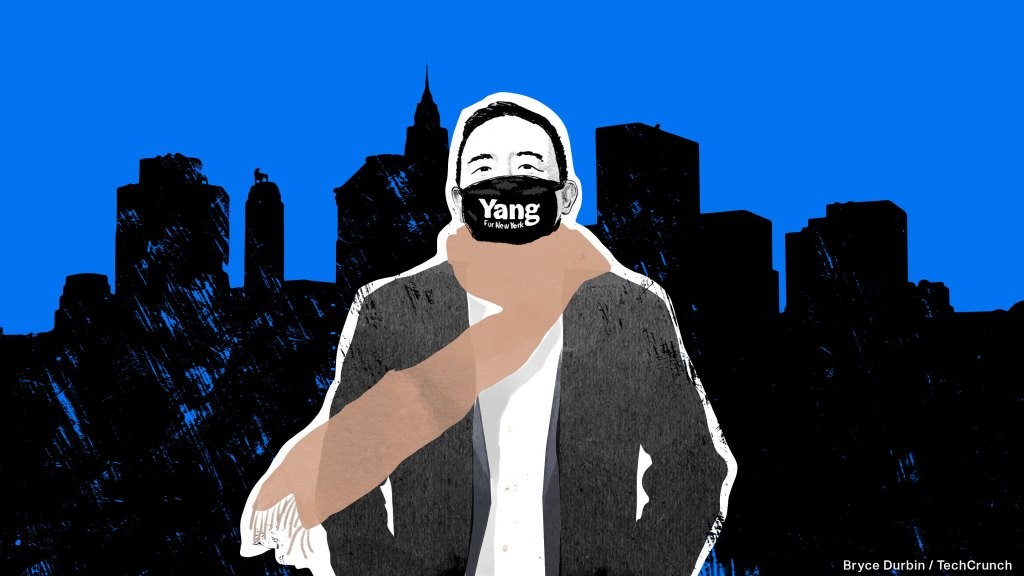
Andrew Yang on the Future of New York City: Technology, Unions, and a Basic Income
A lawyer and experienced figure in the startup landscape – though he prefers not to be labeled a venture capitalist – Andrew Yang gained national recognition during his 2020 presidential campaign. Despite facing a competitive field, Yang distinguished himself as an unconventional candidate, advocating for a policy approach rooted in his entrepreneurial background and technological understanding.
The Yang Gang and Universal Basic Income
His campaign resonated with a dedicated following, known as the “Yang Gang.” Notably, his proposal for a “Freedom Dividend” played a significant role in bringing the concept of universal basic income (UBI) back into mainstream American political discussion.
Yang concluded his presidential bid in February 2020, after not exceeding 3% of the vote in the New Hampshire primary. He assured his supporters at the time that “we’re just getting started.” This year, he announced his candidacy for mayor of New York City, aiming to succeed Bill de Blasio, another former 2020 presidential contender. He once again finds himself in a crowded race, but this time benefits from established national name recognition, which has boosted his standing in polls.
A Unique Campaign in Unprecedented Times
Similar to the presidential election, the New York City mayoral race unfolds during an extraordinary period. Over a year after becoming the initial epicenter of the pandemic, the city continues to grapple with the consequences of COVID-19. This has created a distinctive campaign environment, with candidates increasingly reliant on social media – with varying degrees of success.
As the largest city in the United States prepares for reopening, the next mayor will encounter both significant challenges and potential opportunities. A recent conversation with Yang, conducted via Zoom, explored his vision for the city and the potential role of technology in achieving it.
Labor, Automation, and the Future of Work
You have publicly expressed support for the Amazon Union. Following their recent unsuccessful vote, what do you believe is the most effective path forward for blue-collar and gig workers in 2021?
I am deeply concerned about the impact of technological advancements on blue-collar workers. Automation is rapidly displacing jobs in sectors ranging from trucking and retail to even traditional trades like butchering and meatpacking.
While unions can be helpful in certain situations, the proportion of unionized American workers has decreased significantly. We must prioritize expanding benefits programs that are portable and accessible to all workers, including those in the growing freelance and gig economies.
Our current systems were designed for an industrial-era economy and haven’t kept pace with these transformations. We need to modernize our institutions to better support the evolving needs of the workforce.
Unions in Tech and the Four-Day Work Week
We’ve observed increasing union activity within the tech industry, exemplified by Kickstarter. Do you believe unions should have a role in both blue-collar and white-collar tech positions?
I supported the unionization effort at the Amazon warehouse, as it would have encouraged Amazon to improve working conditions across its operations. We need to fundamentally rethink our approach to work. Despite significant economic growth, as predicted by Keynes, we are not experiencing a reduction in working hours.
In fact, work weeks are lengthening, negatively impacting individuals from all backgrounds. Exploring options like a four-day work week, which studies suggest can maintain productivity while improving mental health and overall well-being, is crucial. We should be thinking bigger and recognizing that unions, while valuable, are not a singular solution to these complex problems.
Attracting Business and Accountability
You previously stated that allowing Amazon and its 26,000 jobs to leave New York City was a mistake, referencing the HQ2 situation. However, you’ve also criticized Amazon for not paying federal taxes. If Amazon were to relocate or bring a substantial number of jobs to New York City, how would you ensure accountability?
There’s a distinction between the local and federal impacts. While I believe a trillion-dollar company should pay its fair share of federal taxes, a locality should welcome opportunities for economic growth and job creation. New York City is open for business and eager to attract companies of all sizes.
As mayor, I would actively promote New York City as the ideal location for building a world-class company and fostering a thriving culture. I would encourage any tech company, large or small, to consider New York City as their home.
Incentives and Fair Competition
The primary point of contention surrounding HQ2 was the issue of incentives. Is it possible to attract a company like Amazon to New York City without offering substantial financial incentives?
I believe localities should not engage in bidding wars to attract companies. I previously proposed a system where any incentives offered to a company would be fully taxable at a 100% rate.
This would eliminate the incentive for companies to pit cities against each other and encourage them to base their decisions on factors beyond financial subsidies. The concerns regarding the proposed subsidies for Amazon’s HQ2 were legitimate. However, allowing an employer that would create 26,000 high-paying jobs, and potentially another 100,000 service jobs, to walk away is not an option. New York City must be a welcoming place for businesses.
Universal Basic Income in the City
You are widely recognized as a leading advocate for UBI. Is implementing UBI at the city level a realistic possibility?
Dozens of cities have already launched or are exploring basic income trials. I am committed to making New York City a leader in this area, potentially hosting one of the largest basic income trials outside of the federal government. I believe cash relief and similar measures are the future.
Providing direct cash assistance can empower individuals to improve their health, stability, creativity, and overall well-being.
UBI and Existing Social Safety Nets
Some critics of UBI express concerns about the potential erosion of the existing social safety net. Can UBI be implemented in New York City without dismantling existing benefits programs?
The program we are considering would target the most vulnerable populations and would not interfere with existing social safety nets. Cities across the country have successfully implemented similar programs without negatively impacting access to existing aid.
Technology, Automation, and Cybersecurity
Can and should the government regulate against the implementation of robotics and automation to mitigate job losses?
An economy-wide regulatory approach would be ineffective and nearly impossible to implement. While isolated interventions might be considered, a more effective strategy is to accelerate the evolution of our economy to benefit more people, even as technology advances. Cash relief and UBI are crucial first steps.
The pandemic has accelerated these trends, and automation technologies are becoming increasingly prioritized by corporations.
Cryptocurrency and Climate Change
You’ve expressed support for investing in New York City as a hub for BTC and other cryptocurrencies, while also being a vocal advocate for addressing climate change. Is this a difficult balance to strike?
Most cryptocurrencies have already been mined, so the energy consumption concerns are less significant. New York City, as the world’s financial capital, should embrace cryptocurrencies. This represents a trillion-dollar asset class, and we must be at the forefront of developing innovative applications.
I’ve been in discussions with members of the cryptocurrency community to explore ways to establish New York City as a testing ground for new technologies.
Rebuilding New York with Technology
Beyond cryptocurrency, what role do you envision technology playing in revitalizing New York City following the pandemic?
I spoke with Eliot Horowitz, a co-founder of MongoDB, who is launching a new robotics company. He shared that potential recruits are enthusiastic about the prospect of being based in New York City. Many people are eager to experience the city’s vibrant culture, dining, and nightlife.
New York City has the potential to become a leading technology hub, particularly because the next generation of technologies will increasingly intersect with other industries, such as Peloton’s combination of fitness and technology. The city’s diverse economy and established presence in finance, culture, and tourism provide a strong foundation for growth.
The Appeal of In-Person Work
With remote work becoming increasingly common, how can New York City remain an attractive destination for companies and employees when they have the option of working from anywhere?
Many people are still adapting to remote work, but ultimately, they crave the experiences that New York City offers – the food, culture, nightlife, and social connections. Furthermore, studies consistently demonstrate that in-person collaboration fosters greater creativity and innovation.
Even in academia, researchers in close proximity produce higher-quality work. For technology companies, even a small competitive edge can be incredibly valuable. New York City offers that edge, and companies are recognizing it.
Incentivizing a Return to the Office
Does this suggest a need for incentives to encourage businesses to bring employees back to physical offices?
I wouldn’t rule out any measures to support New York City’s position as a premier destination. We can help companies understand the unique advantages of being located here and provide assistance to facilitate their growth and success.
Cybersecurity Priorities
What are your top cybersecurity priorities for New York City?
Many public agencies have not adequately invested in cybersecurity, leaving critical systems vulnerable. My priority would be to identify and protect the most essential infrastructure components from cyberattacks. While achieving 100% security is unrealistic, we can significantly improve our risk management.
Social Media and the Campaign
You faced some criticism regarding your comments about food carts on Twitter earlier this week. Do you have any regrets about your use of social media during the campaign?
The vast majority of my social media activity focuses on promoting New York City – whether it’s a restaurant my wife and I enjoyed or attending a Yankees game (despite being a Mets fan). When I walk the streets of New York City, I consistently receive positive feedback from residents.
I believe my use of social media provides a glimpse into my vision for the city’s future. The ability to generate news and engagement through social media is a positive development, and I intend to leverage it to benefit New York City as mayor.