Andrew Yang's Noble Mobile Inspired by Mark Cuban
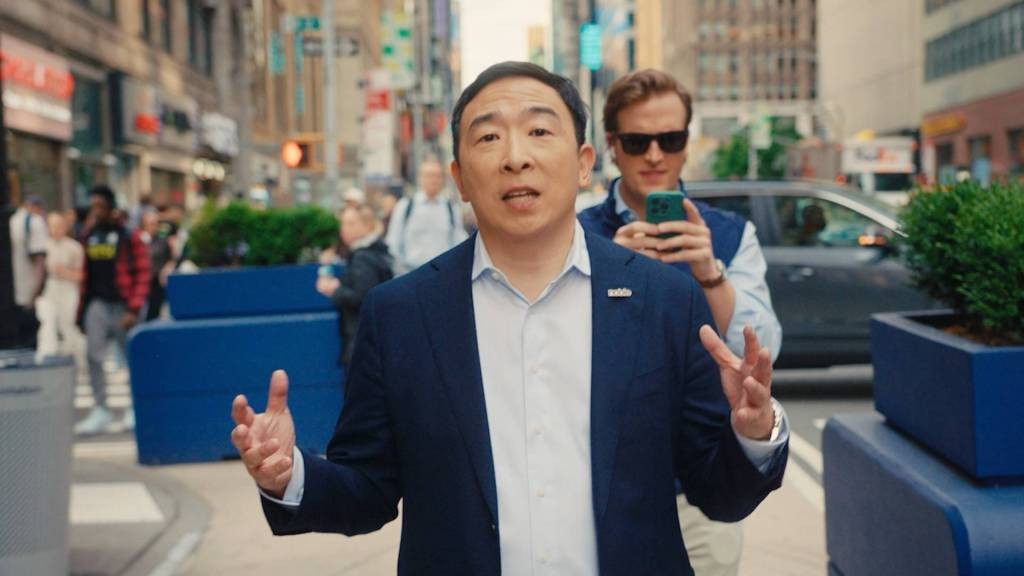
Andrew Yang Launches Noble Mobile: A Data-Conscious MVNO
Entrepreneur and former presidential candidate Andrew Yang is introducing a new mobile virtual network operator (MVNO). This innovative company will offer customers financial incentives for reduced data consumption.
The Inspiration Behind Noble Mobile
Yang shared with TechCrunch his own struggles with excessive phone use. He realized that a financial disincentive could be a powerful motivator to curtail “doomscrolling” and generally lessen reliance on mobile data.
How Noble Mobile Works
Noble Mobile utilizes T-Mobile’s network infrastructure to provide service. A $50 monthly plan includes unlimited talk, text, and 5G data access.
Customers who use less than 20GB of data each month are eligible for a refund, issued as “Noble Cash.” This cash can be redeemed for rewards or converted to approximately one dollar per unused gigabyte.
Data Usage and Potential Savings
Individual data usage varies based on Wi-Fi availability and personal habits. For example, a user averaging 13GB per month could receive around $7 back on their $50 monthly bill.
Funding and Market Positioning
Noble Mobile secured $10.3 million in seed funding, led by Corazon Capital, with participation from Scott Galloway and other venture capital firms.
Yang notes that the average American spends $83 monthly on mobile service, positioning Noble Mobile as a potentially more affordable option. However, it’s important to consider that some higher bills include device installment payments.
The MVNO Advantage
MVNOs, such as Noble Mobile and Mint Mobile (acquired by T-Mobile for $1.35 billion), operate at lower costs than traditional carriers. This is because they purchase wholesale network access instead of investing in their own infrastructure.
Critique of Major Carriers
Yang contends that Verizon and AT&T have shifted their focus from network investment to maintaining high prices. He argues that Americans pay significantly more for wireless data compared to consumers in Europe and Australia.
To illustrate this point, Verizon distributed $11.2 billion in dividends to investors last year.
Drawing Parallels to Cost Plus Drugs
Yang found inspiration in Mark Cuban’s Cost Plus Drugs, which purchases generic medications in bulk and resells them with a 15% markup.
Cuban’s model bypasses pharmacy benefit managers, enabling lower drug prices while maintaining profitability.
The "Cost Plus" Philosophy
Yang explained that he sought opportunities to apply the “Cost Plus” approach to other everyday expenses. He believes that offering a more transparent and affordable service in the mobile market is a viable option.
Aligning with a Digital Wellbeing Goal
Launching an MVNO allows Yang to promote both a cost-effective service and a mindful approach to technology use. He has hosted “no-phone parties” in Los Angeles and New York City, potentially as a way to gauge interest in Noble Mobile’s concept.
Incentivizing Reduced Phone Usage
While the incentive won’t impact Wi-Fi usage, it could encourage users to engage in alternative activities while commuting or during other downtime.
The Challenges of Policy-Based Solutions
Yang acknowledges the difficulties in implementing effective policies to regulate technology use. He points to the ongoing struggles in Congress to pass legislation aimed at protecting children online.
He suggests that a financial incentive for reducing phone usage may be a more effective approach than top-down regulation.
“Providing a monetary reward for a desired behavior – using one’s phone less – could potentially drive positive change,” Yang stated.
Related Posts

Trump Media to Merge with Fusion Power Company TAE Technologies

Radiant Nuclear Secures $300M Funding for 1MW Reactor
Coursera and Udemy Merger: $2.5B Deal Announced
X Updates Terms, Countersues Over 'Twitter' Trademark

Slate EV Truck Reservations Top 150,000 Amidst Declining Interest