Ben Raises $2.5M Seed to Revolutionize SME Employee Benefits
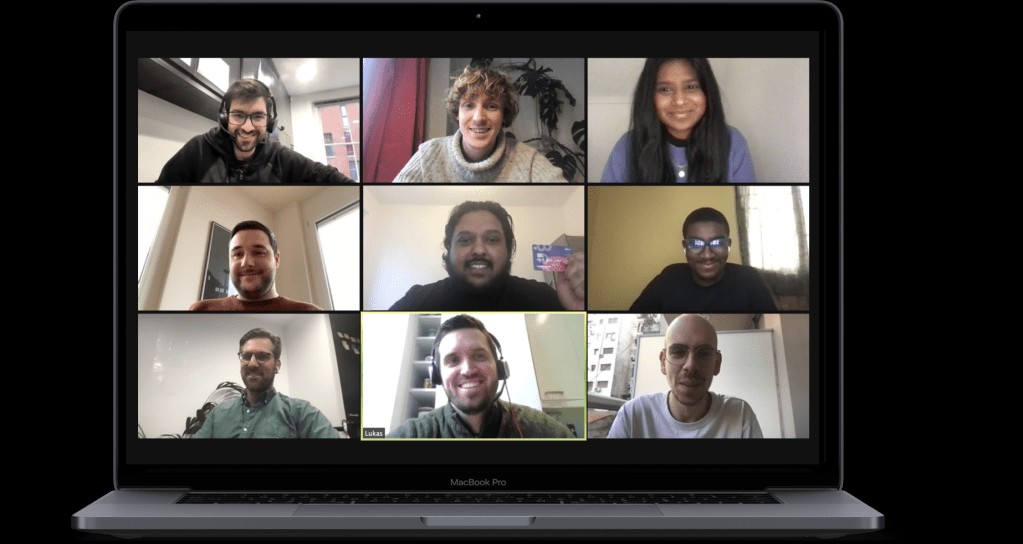
Ben, a London-based platform focused on employee benefits and rewards, has secured $2.5 million in a new funding round. This seed funding was spearheaded by Cherry Ventures and Seedcamp.
The investment round also saw participation from a group of angel investors experienced in the fintech and HR technology sectors. These individuals include Paul Forster, who founded Indeed, Taavet Hinrikus, the founder of TransferWise, Carlos Gonzalez-Cadenas, formerly an executive at GoCardless and currently a partner at Index Ventures, Philip Reynolds, VP of Engineering at Workday, and Matt Robinson, who founded Nested.
Blending elements of both fintech and HR solutions, Ben has developed a platform designed to help small and medium-sized enterprises (SMEs) provide more individualized and adaptable benefits to their workforce. The U.K.-based startup achieves this through a software-as-a-service (SaaS) solution for benefits management, featuring a benefits marketplace and per-employee debit cards powered by Mastercard.
The core concept is to empower employees with greater control over their benefit selections, while simultaneously simplifying the process of integrating new benefit providers. This integration can occur through the marketplace or by allowing employers to authorize specific merchants or categories of merchants via the Mastercard, such as options for dining, transportation, or access to co-working spaces.
According to Ben’s co-founder and CEO, Sebastian Fallert, “Many companies implement benefits programs to attract, retain, and motivate employees, ultimately aiming to boost productivity, but many existing solutions fail to achieve these goals.” He further explains, “For benefits to be truly effective, they must cater to the unique needs of each employee; a benefit that is valuable to a mid-career professional working remotely may be of little use to a recent graduate.”
Fallert notes that delivering this level of personalized benefits has traditionally been challenging for most SMEs due to the “significant cost and complexity” associated with creating and managing customized programs. Consequently, flexible benefit programs have largely been limited to larger organizations where employees can choose from a variety of options. Ben is working to change this situation.
“The Ben software platform enables companies to allocate funds and establish specific spending guidelines for each employee,” Fallert clarifies. “Employees can then select from traditional group benefits like private medical insurance, mental health support, or dental coverage, and a dedicated Mastercard provides access to a wide range of products and services in a tax-efficient and compliant manner.”
Fallert describes the outcome as a mutually beneficial arrangement. “Employees receive benefits tailored to their individual needs, and companies only pay for benefits that are actually utilized, benefit from tax advantages and negotiated pricing, and simplify administrative processes.”
Currently, the Ben platform is utilized by companies of varying sizes, with a particular focus on those with distributed teams. “These companies are especially facing the increasing challenges of managing benefits programs that meet the needs of a more diverse and geographically dispersed workforce,” says Fallert.
Ben generates revenue through three primary channels: a SaaS subscription fee, interchange revenue from card transactions, and affiliate commissions from its marketplace.
Fallert adds, “A key belief of ours is that numerous valuable services struggle to reach companies because they aren’t universally applicable to all employees, such as debt consolidation assistance or fertility treatments. Ben provides these services with a straightforward distribution channel on standard commercial terms, allowing companies to offer additional benefits without increasing administrative burden.”
Related Posts

Trump Media to Merge with Fusion Power Company TAE Technologies

Radiant Nuclear Secures $300M Funding for 1MW Reactor

Coursera and Udemy Merger: $2.5B Deal Announced

X Updates Terms, Countersues Over 'Twitter' Trademark

Slate EV Truck Reservations Top 150,000 Amidst Declining Interest