BlackBerry and Baidu Expand Autonomous Car Partnership
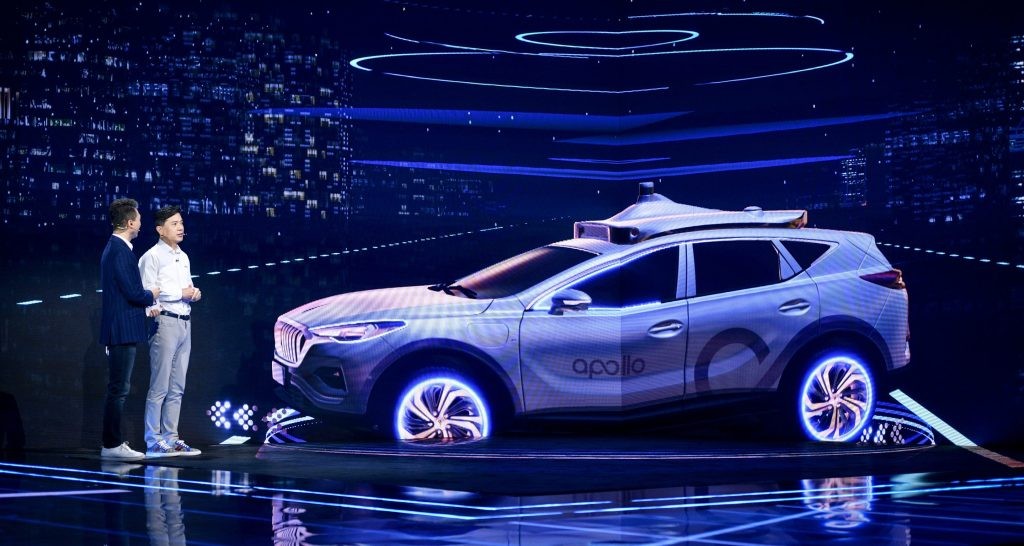
BlackBerry and Baidu, a leading Chinese search engine, have reached an agreement to strengthen their collaboration, offering automotive manufacturers the necessary resources to develop and deploy advanced connected and self-driving vehicles within China.
As part of this agreement, Baidu’s detailed high-definition maps will be incorporated into BlackBerry’s QNX Neutrino Real-Time Operating System. This integrated system is slated for large-scale production in the forthcoming GAC New Energy Aion models, stemming from GAC Group’s electric vehicle division – a major Chinese automaker producing over 2 million vehicles annually.
According to Wang Yunpeng, a senior director within Baidu’s Intelligent Driving Group, the expanded partnership is designed to “offer automakers a streamlined and efficient route to producing autonomous vehicles, prioritizing safety and security above all else.”
This collaboration between Baidu and BlackBerry is significant as it introduces a foreign-developed operating system into vehicles manufactured in China, despite government initiatives promoting domestic technology.
BlackBerry’s QNX software specializes in crucial areas like functional safety, network security, and system reliability, while Baidu has concentrated its investments on the advancement of artificial intelligence and deep learning technologies.
Yunpeng stated, “By working together, we can empower car manufacturers to rapidly develop secure autonomous vehicles and collectively foster the growth of the intelligent and connected vehicle industry.”
BlackBerry, formerly a dominant player in the smartphone market, has successfully transitioned its QNX technology into the automotive sector. Currently, the software powers advanced driver-assistance systems, digital instrument panels, and infotainment systems in over 175 million vehicles worldwide.
This agreement expands upon a previous understanding reached in January 2018, where BlackBerry QNX’s operating system was designated as the core foundation for Baidu’s ‘Apollo’ autonomous driving open platform.
This partnership with Baidu also allows BlackBerry to further establish its presence in the Chinese market, where it is a relatively newer participant. Last year, BlackBerry announced that QNX would be integrated into the electric vehicles of Xpeng, a competitor to Tesla, within China.
Dhiraj Handa, vice president of channel, partners and APAC at BlackBerry Technology Solutions, commented, “BlackBerry QNX’s embedded software serves as a strong foundation, enabling Baidu to make substantial progress with its Apollo platform in creating a commercial ecosystem for innovative technologies that vehicle manufacturers can utilize in their next-generation vehicles.”
Baidu’s autonomous driving initiative, Apollo, has been likened to “an Android for smart driving.” The Apollo program has attracted over a hundred partners from the manufacturing and supplier sectors. Baidu has also been actively conducting autonomous driving tests and launched a robotaxi service in September.
This agreement also follows Baidu’s recent expansion beyond automotive software and into vehicle production. Earlier this month, Baidu announced plans to establish a new company dedicated to producing electric vehicles in collaboration with Chinese automaker Geely. Baidu will contribute its intelligent driving technologies, while Geely will oversee the vehicle’s design, engineering, and manufacturing processes.
Related Posts

Rivian Launches Universal Hands-Free Driving Feature

Rad Power Bikes Files for Bankruptcy, Seeking Sale
Tesla Deceptive Marketing: Autopilot and Full Self-Driving Ruling

Luminar's Volvo Deal and Bankruptcy: A Timeline

Slate EV Truck Reservations Top 150,000 Amidst Declining Interest