Nvidia's Next GPUs: Blackwell, Vera Rubin, and Feynman Revealed
Nvidia Announces Next-Generation GPU Roadmap at GTC 2025
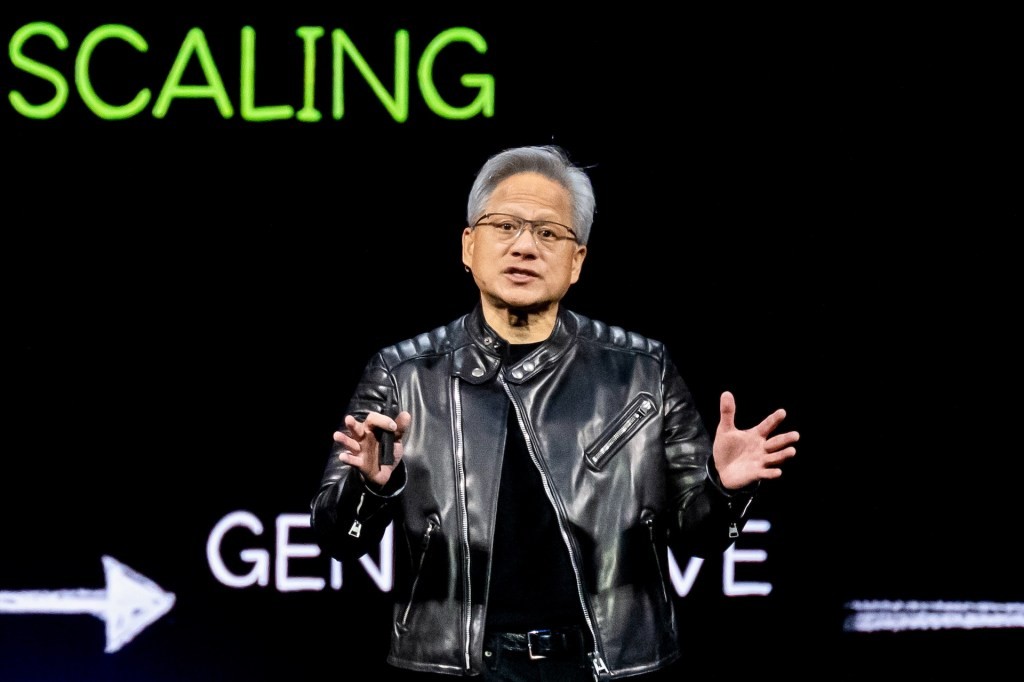
During his presentation at Nvidia’s GTC 2025 conference held in San Jose on Tuesday, CEO Jensen Huang detailed upcoming GPU releases planned for the coming months.
Introducing Vera Rubin
A key announcement was the Vera Rubin GPU, scheduled for release in the latter half of 2026. This new architecture will incorporate tens of gigabytes of memory and a uniquely designed Nvidia CPU, internally named Vera.
Nvidia asserts that Vera Rubin will provide significant performance improvements over the Grace Blackwell system, especially in the areas of AI inferencing and model training.
When utilized alongside the Vera CPU, the Rubin – effectively two GPUs integrated into one – is capable of achieving up to 50 petaflops during inference. This represents more than double the 20 petaflops offered by Nvidia’s current Blackwell chips.
Furthermore, the Vera CPU is approximately twice as performant as the CPU found within the Nvidia Grace Blackwell GPU.
Rubin Ultra and Beyond
Following Vera Rubin, the Rubin Ultra is slated for release in the second half of 2027. This configuration will combine four GPUs into a single package, delivering a peak performance of up to 100 petaflops.
Blackwell Ultra – Near Term Release
In the near future – the second half of 2025 – Nvidia will launch Blackwell Ultra. This GPU will be available in multiple configurations.
A single Ultra chip will provide the same 20 petaflops of AI performance as the standard Blackwell, but with an increased memory capacity of 288GB, up from 192GB.
Feynman GPUs – Long-Term Vision
Looking further ahead, Nvidia is developing the Feynman GPUs. Details regarding the Feynman architecture were limited during the keynote presentation.
However, Huang confirmed that it will also feature a Vera CPU. Nvidia anticipates bringing the Feynman GPU, which will succeed Rubin Vera, to market around 2028.
Note: This article was updated on March 18th at 3:07 p.m. Pacific time to correct a previous statement regarding the memory capacity of Vera Rubin. It was initially reported as “tens of terabytes” when the correct specification is “tens of gigabytes.”
Related Posts

ChatGPT Launches App Store for Developers

Pickle Robot Appoints Tesla Veteran as First CFO

Peripheral Labs: Self-Driving Car Sensors Enhance Sports Fan Experience

Luma AI: Generate Videos from Start and End Frames
Alexa+ Adds AI to Ring Doorbells - Amazon's New Feature