Flexiv Raises $100M+ for Adaptive Robots | Robotics News
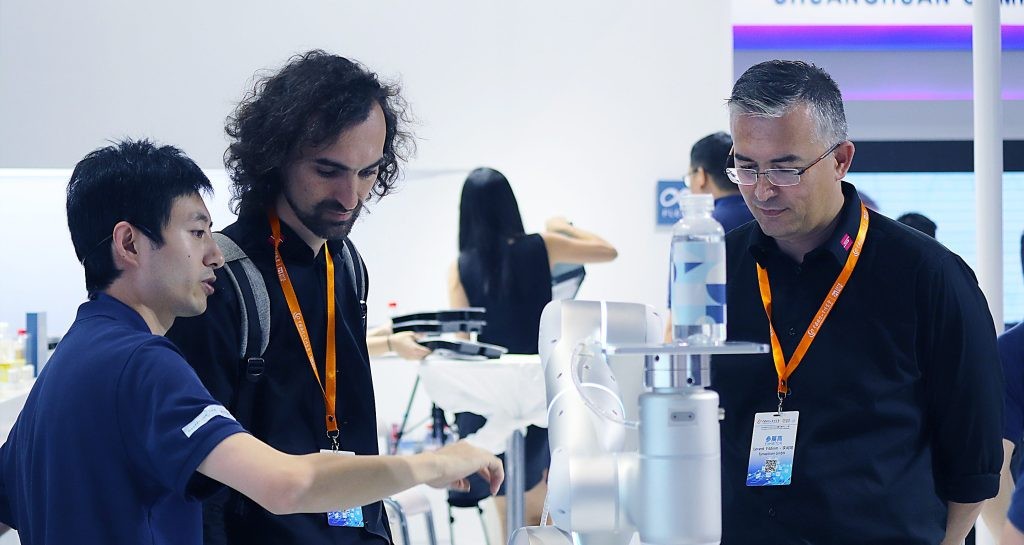
With companies globally seeking to automate their production processes and supply networks, the developers of robotic systems are experiencing significant investment. Flexiv is the latest to secure funding, completing a Series B investment exceeding $100 million with participation from investors including Meituan, a leading on-demand services provider in China, as reported by TechCrunch.
Key participants in this funding round also include Chinese venture capital firm Meta Capital (元知资本), the prominent Chinese agricultural enterprise New Hope Group, private equity firm Longwood, YF Capital associated with Jack Ma, and well-known Chinese venture capital companies Gaorong Capital and GSR Ventures. Additionally, Plug and Play’s China and U.S. branches contributed to the round, bringing the startup’s total funding to over $120 million.
The company maintains operations in several major cities across China and in California, with approximately two-thirds of its workforce located in China—a typical approach for AI startups founded by individuals with experience or education in the United States.
Flexiv was established in 2016 by Wang Shiquan, a graduate of Stanford’s Biomimetics and Dexterous Manipulation Lab, with a primary focus on developing adaptable robots for the manufacturing sector. The newly acquired capital will enable the company to extend the application of its AI-powered, general-purpose robots into additional fields, including service industries, agriculture, logistics, and healthcare.
For example, through Meituan’s investment, Flexiv could integrate its technologies into the investor’s core food delivery operations, which involve repetitive, high-volume tasks suitable for automation.
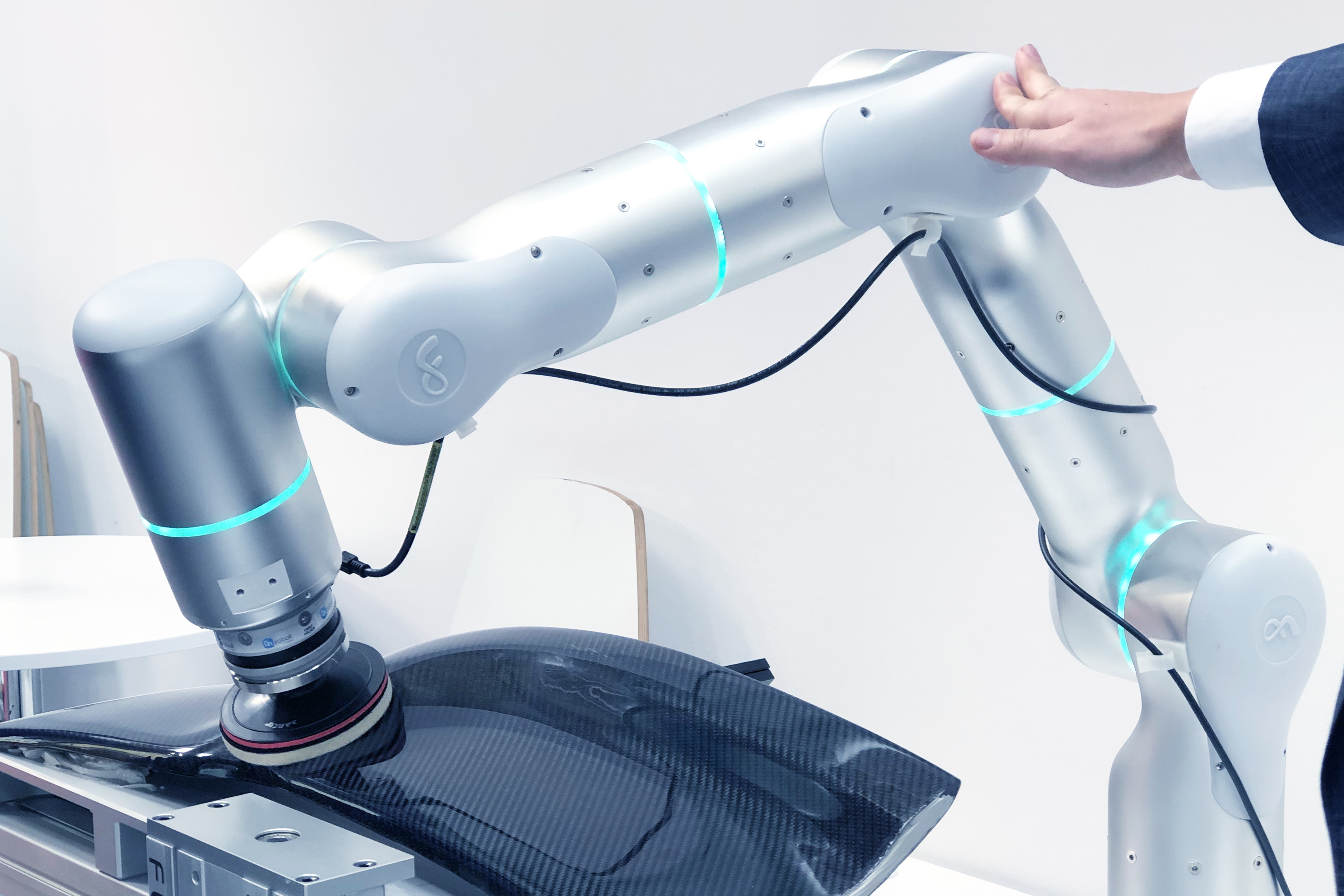 Wang noted in an interview with TechCrunch that substantial opportunities for automation still exist within traditional manufacturing. Specifically, the production of consumer electronics demands precise and delicate processes, often requiring production lines to be modified for each new product. Flexiv’s robots, featuring force feedback and computer vision capabilities, can adapt to changing conditions and potentially reduce the time and expense associated with setting up new equipment, according to Wang.
The company’s robots’ adaptability is a key differentiator from many competitors, the founder emphasized.
“Traditional robotic arms function safely in unobstructed environments, but their performance is limited in complex settings… Many tasks that appear straightforward, such as washing dishes, actually necessitate significant AI-driven recognition and decision-making capabilities.”
The company initiated mass production in the latter half of this year and has currently manufactured approximately 100 robots. Its revenue model is based on robot sales, software licensing, and post-sale support services. A key challenge lies in securing partnerships and customers across diverse industries who will adopt its emerging technologies.
China currently represents Flexiv’s primary market, while North America is a crucial focus for its expansion plans. Wang indicated that “each country possesses unique strengths in the field of robotics,” highlighting China’s advantages in manufacturing, supply chains, and labor costs.
“The disparity between nations in the areas of conventional and adaptive robotics is undoubtedly decreasing,” the founder stated.
Related Posts

ChatGPT Launches App Store for Developers

Pickle Robot Appoints Tesla Veteran as First CFO

Peripheral Labs: Self-Driving Car Sensors Enhance Sports Fan Experience

Luma AI: Generate Videos from Start and End Frames
Alexa+ Adds AI to Ring Doorbells - Amazon's New Feature