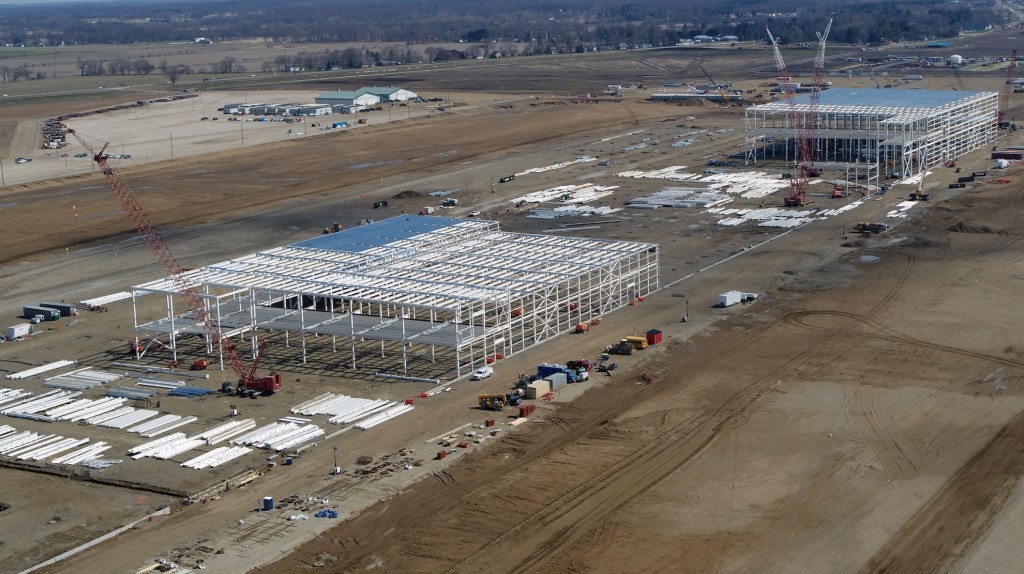
Baidu to Enter EV Market: New Electric Vehicle Venture
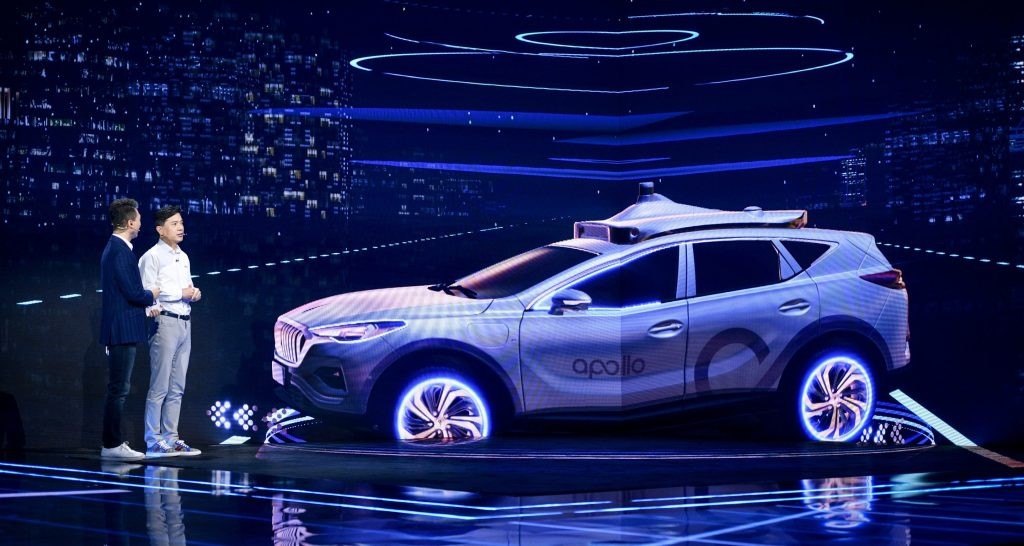
Baidu, the leading search engine in China, is broadening its involvement in the automotive industry, moving beyond software development to vehicle production. The company announced on Monday its plans to establish a new company dedicated to manufacturing electric vehicles, in collaboration with the Chinese automaker Geely. For approximately the last ten years, Baidu has been a dominant force in the Chinese internet search market and will contribute its advanced smart driving technologies to the venture. Geely, currently in the process of merging with Volvo of Sweden, will oversee the vehicle’s design and manufacturing processes.
This development represents the latest instance of a Chinese internet company entering the electric vehicle market. News surfaced in November that Alibaba and SAIC Motor, a Chinese state-owned automotive manufacturer, had formed a partnership to produce electric cars. Furthermore, ride-sharing service Didi and EV manufacturer BYD have jointly created a vehicle specifically designed for ride-hailing services, already gaining traction with customers such as Ideanomics. Concurrently, the stock performance of Chinese companies challenging Tesla, including Xpeng, Li Auto, and NIO, has demonstrated consistent growth throughout the past year.
Baidu’s expansion into vehicle manufacturing is a strategic effort to diversify its business, which currently relies heavily on revenue generated from search advertising. Emerging new media platforms, such as ByteDance’s Toutiao news aggregator and the short-video application Douyin, incorporate their own search functionalities and have progressively diminished the market share of established search engines like Baidu. Data from the analytics firm Jiguang indicates that short video platforms have become the second most utilized channel for internet search in China, surpassing social networks and e-commerce, while remaining behind traditional web search engines.
Since 2017, Baidu has been actively engaged in the development of autonomous driving technology. Its Apollo platform, described as “an Android for smart driving,” has attracted over one hundred partners from the manufacturing and supply sectors. Baidu has also been conducting extensive testing of autonomous driving systems and has recently launched a fleet of robotaxis.
The newly formed company will function as a subsidiary of Baidu, with Geely acting as a strategic partner. Various Baidu divisions, including Apollo and Baidu Maps, will provide their respective capabilities. The organization will manage all aspects of the automotive industrial chain, encompassing vehicle design, research and development, production, sales, and customer service.
The impact of Baidu’s collaboration with Geely on the operations of Apollo remains to be seen; however, Baidu has affirmed its commitment to “maintain an open collaborative approach within the AI technology sector, working closely with its ecosystem partners to drive the next wave of intelligent transformation.”
Robin Li, co-founder and CEO of Baidu, stated, “We at Baidu have consistently maintained a strong belief in the future of intelligent driving and have invested significantly in AI over the past decade to develop a leading portfolio of self-driving services.”
“We are confident that by integrating Baidu’s expertise in intelligent transportation, connected vehicles, and autonomous driving with Geely’s established capabilities as a prominent automobile and EV manufacturer, this new partnership will establish a foundation for the next generation of passenger vehicles.”
Related Posts

Rivian Launches Universal Hands-Free Driving Feature

Rad Power Bikes Files for Bankruptcy, Seeking Sale
Tesla Deceptive Marketing: Autopilot and Full Self-Driving Ruling
Luminar's Volvo Deal and Bankruptcy: A Timeline
Slate EV Truck Reservations Top 150,000 Amidst Declining Interest