D-Wave to Build Gate-Model Quantum Computer | Quantum Computing News
D-Wave Expands into Gate-Model Quantum Computing
For over two decades, D-Wave has been a leading name in quantum annealing. Their initial focus on this specific technology enabled them to become the first vendor to commercially offer quantum computers. However, this early specialization also presented limitations regarding the scope of problems their hardware could effectively address, as quantum annealing excels at optimization tasks such as protein folding and route optimization.
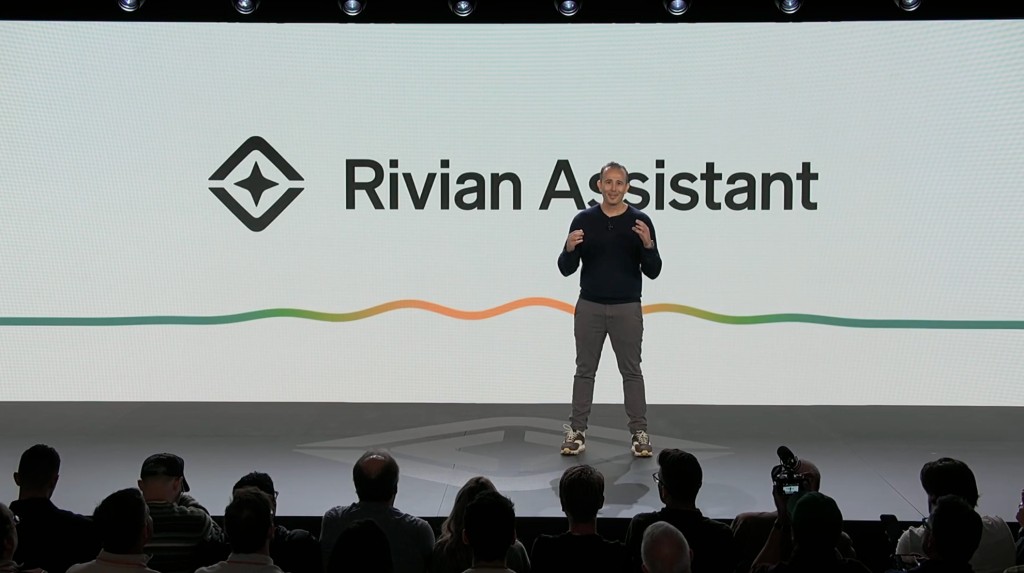
Recently, at the Qubits conference, D-Wave announced a significant shift in its strategy: the inclusion of a superconducting gate-model quantum computer – similar to those offered by IBM and other competitors – within its future development plans.
A Combined Approach to Quantum Computing
D-Wave posits that a synergistic combination of annealing, gate-model quantum computing, and conventional computing resources will be essential for maximizing the value derived from quantum technology by its user base. The company states that, mirroring their initial decision to prioritize annealing, they are proactively anticipating future customer needs.
They recognize that error-corrected gate-model quantum systems with practical applications will be crucial for a distinct segment of the quantum application market: the simulation of quantum systems. This capability is particularly valuable in scientific disciplines like materials science and pharmaceutical research.
Image Credits: D-Wave
The Continued Importance of Quantum Annealing
Initially, D-Wave contends, annealing offered the most expedient route to developing practical quantum applications. Currently, approximately 250 customers utilize D-Wave’s hardware, primarily through its Leap cloud service. Recognizing the inherent value of quantum annealing, D-Wave has no intention of abandoning it.
“Annealing will remain a central component of our roadmap,” the company affirms, committing to ongoing investment and development of its existing systems. D-Wave projects that annealing – and the optimization applications it supports – will represent roughly one-third of the overall quantum application market.
A Strategic Shift and Technological Maturity
The company acknowledges that this expansion represents a substantial strategic change, necessitating clear communication. For years, D-Wave maintained that its annealing technology could potentially evolve into a universal quantum computer.
However, with advancements in both the technology and the underlying theory, coupled with D-Wave’s accumulated expertise in materials engineering, the company now believes “this is the optimal moment, from both a technical and theoretical standpoint, to directly address the challenges of implementing a gate-model system.”
Roadmap and Future Development
D-Wave is transparent about the complexities involved in this undertaking. Acknowledging the inherent challenges of quantum computing, the company’s roadmap for its gate-model processor is presented in phases, ranging from the creation of a single qubit (phase 1) to the development of a general-purpose quantum processing unit (QPU), rather than specific dates.
Additional Announcements
Beyond the gate-model news, D-Wave unveiled several other updates. A performance enhancement for its latest Advantage-class machines, boasting over 5,000 qubits, is being released today, promising improved capabilities for solving larger and more intricate problems.
Furthermore, the company is launching its Constrained Quadratic Model (CQM) solver, which expands the range of solvers available through D-Wave’s Leap service.
Looking Ahead
D-Wave anticipates launching its next-generation Advantage machine, featuring over 7,000 qubits, a novel design, and 20-way connectivity in a new topology, around 2023 or 2024. Starting next year, they plan to introduce new hybrid solvers capable of addressing mixed integer problems, aiding users in optimizing drug trials, chemical processes, logistics, and scheduling.
Ultimately, D-Wave aims to provide a fully integrated stack, offering customers access to a comprehensive suite of hardware and software solutions to tackle a wide spectrum of quantum computing challenges.
“Our comprehensive approach to quantum technology, encompassing everything from chip fabrication to system development, and from hybrid software solvers to robust open-source developer tools, uniquely positions us to deliver consistent product innovations and rapidly bring a cross-platform stack to market. This is a practical advantage,” stated Alan Baratz, CEO of D-Wave.