Deed: Boost Employee Engagement with Slack Integration
Modernizing Corporate Social Responsibility with Deed
Many employers offer charity donation matching programs, but the systems supporting these initiatives are often outdated. These systems can be difficult to navigate, featuring clunky interfaces or being hidden within a company’s network.
Deed, a company currently participating in the Y Combinator S21 program, aims to revolutionize the concept of Corporate Social Responsibility (CSR). They also strive to increase employee awareness of available programs.
Platform Features
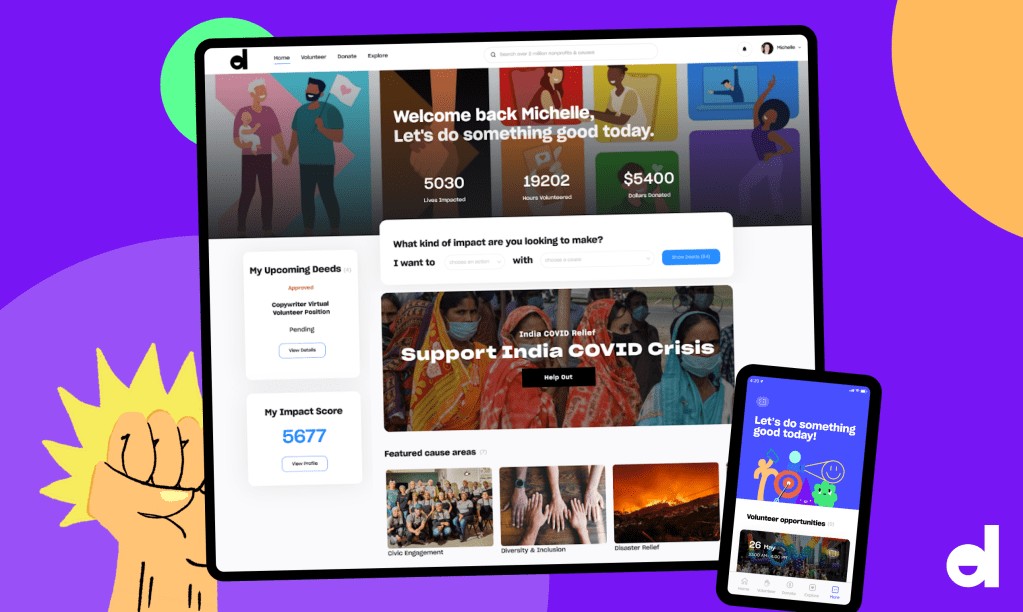
Deed’s web platform provides the functionality expected of this type of service. It manages employee donations and facilitates matching gifts according to employer-defined rules.
Furthermore, the platform offers volunteer opportunities and tracks volunteer hours efficiently. The interface is designed to be modern and integrate seamlessly into a contemporary company’s technology stack.
However, Deed distinguishes itself with unique features not commonly found elsewhere. These include a swipe-style interface for discovering volunteer opportunities, enhanced support for employee resource groups, and tools to encourage friendly competition between departments regarding volunteer participation.
Slack Integration
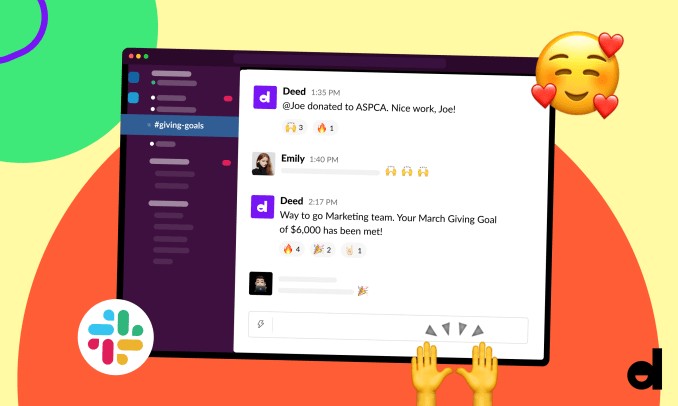
This week, Deed is launching a beta version of its Slack integration. According to co-founder Deevee Kashi, this integration is designed to “meet employees where they are.”
The integration brings frequently used features, along with a feed of co-worker donation and volunteer activity (shared with permission), directly into Slack. This increases accessibility and ensures employees remain informed.
 Company Growth and Background
Deed is more established than many startups emerging from Y Combinator. Unlike teams often comprised of just a few co-founders, Deed currently employs over 20 individuals globally, with a growing headquarters in Berlin.
Despite this progress, the company is still in its early stages. Its recent focus on enterprise solutions and overall growth are relatively new developments.
 From Nightclubs to Nonprofits
Deed initially launched in 2016 as an app with a slightly different purpose. Founder Deevee Kashi, after a decade of managing nightclubs, sought a change in direction.
He describes feeling unfulfilled despite external success. He realized his work didn’t align with his personal values and decided to explore volunteering.
“I quickly discovered how difficult the volunteering process was, how outdated the technology was, and how nonprofits struggled to connect with younger generations,” Kashi explains.
This realization led to the first version of Deed, an app designed to help individuals find suitable volunteer opportunities. The app attracted a community of tens of thousands of users in New York City.
The Shift to Enterprise Solutions
Large companies began to take notice when their employees expressed their enjoyment of the app. They inquired about an enterprise version to support their own employee volunteering and engagement programs.
Responding to this demand, Deed pivoted to focus on enterprise solutions in 2020. They adapted their user-friendly interface for the needs of larger organizations. This strategy proved successful, with Adidas becoming their first major client.
Subsequently, they secured partnerships with Sweetgreen, Airbnb, and Stripe. Deed now serves companies ranging in size from 250 to 100,000 employees.
Deed secured $2 million in funding at the end of last year. This investment fueled rapid team expansion. Kashi reflects on the unusual experience of onboarding a remote team during the pandemic and finally meeting colleagues in person after a year and a half.
Related Posts

Trump Media to Merge with Fusion Power Company TAE Technologies

Radiant Nuclear Secures $300M Funding for 1MW Reactor

Coursera and Udemy Merger: $2.5B Deal Announced

X Updates Terms, Countersues Over 'Twitter' Trademark

Slate EV Truck Reservations Top 150,000 Amidst Declining Interest