Ford Invests $30 Billion in Electric Vehicle Battery Development
Ford Significantly Increases EV Investment
Ford Motor Company is substantially augmenting its commitment to electric vehicle development, raising its planned investment to $30 billion by 2025. This represents an increase from the previously announced $22 billion earmarked for expenditure by 2023.
The announcement regarding this increased financial allocation to its EV and battery development initiatives, collectively known as Ford+, was made during an investor event held on Tuesday.
Future EV Projections
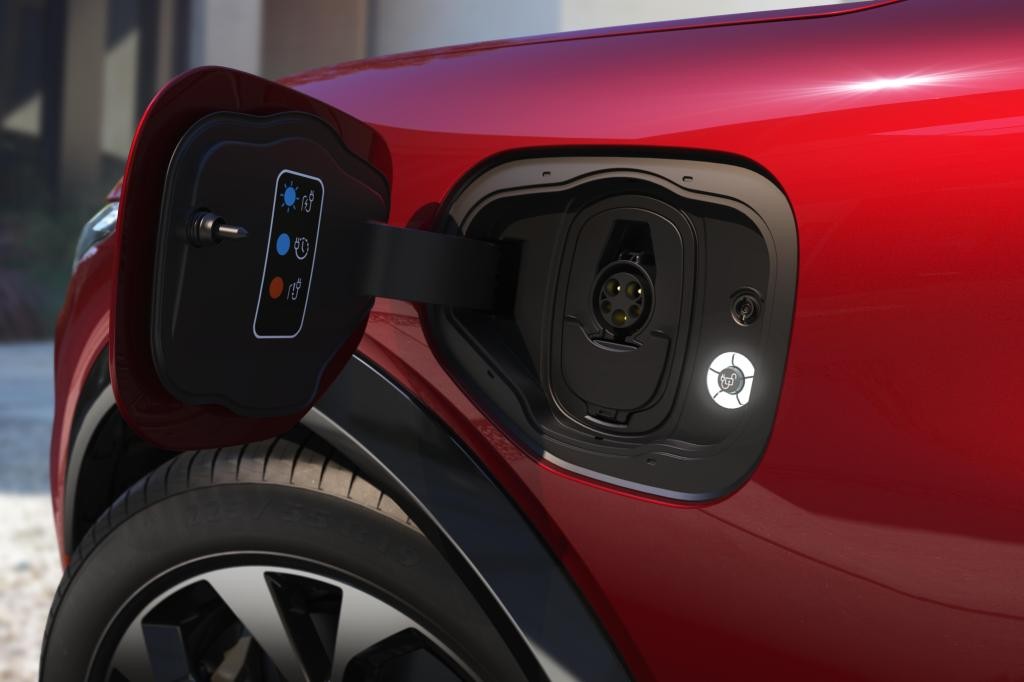
The company anticipates that fully electric vehicles will constitute 40% of its total global vehicle sales volume by the year 2030. Sales figures for the Mustang Mach-E reached 6,614 units in the U.S. during the first quarter of the year.
Following the unveiling of the F-150 Lightning, Ford reports having already secured 70,000 customer reservations for the vehicle.
The Shift in Automotive Battery Production
The Ford+ strategy illustrates the evolving landscape for automakers seeking to remain competitive in the emerging EV market. Historically, battery manufacturing has been largely concentrated in China, Japan, and Korea.
However, with the growing demand from major automotive manufacturers transitioning to electric vehicles, supply is struggling to keep pace, prompting these companies to invest directly in their own battery development capabilities.
Examples of this trend include General Motors’ partnership with LG to construct a battery factory in Ohio, and BMW’s collaborative investment with Ford in solid-state battery technology firm, Solid Power.
Solid-State Battery Technology
“This investment underscores our conviction that commercially viable solid-state batteries are achievable within this decade,” stated Hau Thai-Tang, Ford’s Chief Product Platform and Operations Officer, during the investor presentation.
“Solid Power’s sulphide-based solid electrolyte and silicon-based anode chemistry promises substantial improvements in battery performance, including extended range, reduced cost, increased interior space, enhanced value, and improved safety for our customers.”
The manufacturing process for solid-state batteries shares similarities with existing lithium-ion battery production, allowing Ford to repurpose approximately 70% of its current manufacturing infrastructure and capital investment, according to Thai-Tang.
Ion Park and Next-Generation Battery Research
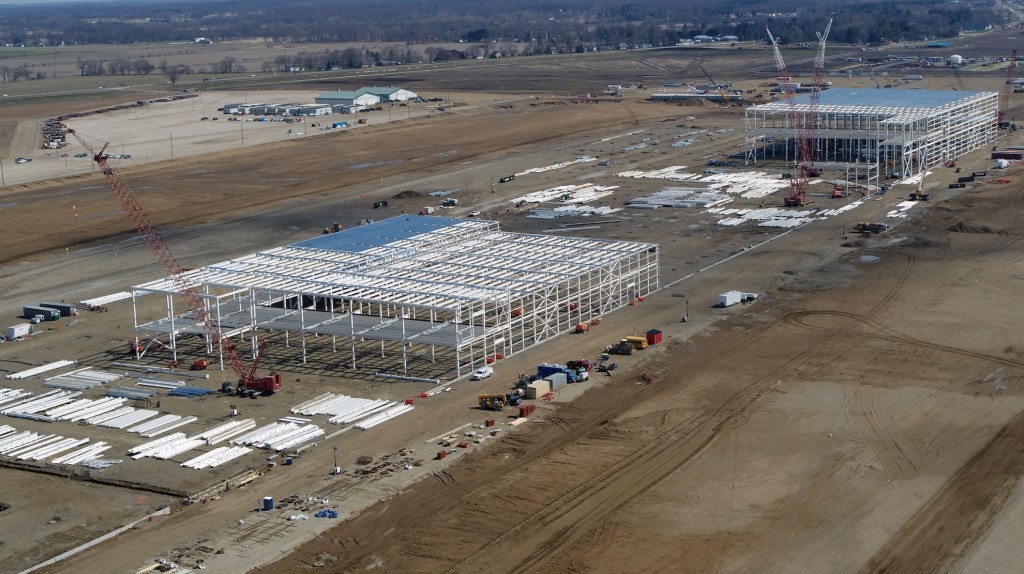
At Ford’s Ion Park, a dedicated battery research and development center currently under construction in Michigan, a team of 150 specialists is focused on advancing next-generation lithium-ion chemistries and developing Ford’s innovative, high-density battery technology, known as Ion Boost +.
“Our overarching objective is to establish a comprehensive ecosystem, encompassing services, that will enable us to achieve greater profitability with Battery Electric Vehicles (BEVs) than we currently realize with Internal Combustion Engine (ICE) vehicles,” explained Thai-Tang.
Ion Boost + and Cost Reduction
The Ion Boost + utilizes a unique cell pouch design, which is particularly well-suited for powering Ford’s larger vehicle models.
The company projects that this technology could contribute to a 40% reduction in battery costs by the middle of the decade.
“The cell chemistry, combined with Ford’s proprietary battery control algorithm and high-precision sensing technology, delivers improved efficiency and range for our customers,” Thai-Tang added.
Ion Boost Pro for Commercial Applications
Specifically for commercial vehicles, Ford is developing a battery cell based on lithium iron phosphate (LFP) chemistry, designated as Ion Boost Pro.
This chemistry is considered more cost-effective and suitable for applications with less demanding range requirements.
Related Posts

Rivian Launches Universal Hands-Free Driving Feature

Rad Power Bikes Files for Bankruptcy, Seeking Sale
Tesla Deceptive Marketing: Autopilot and Full Self-Driving Ruling
Luminar's Volvo Deal and Bankruptcy: A Timeline
Slate EV Truck Reservations Top 150,000 Amidst Declining Interest