FTC Sues to Block Lockheed Martin's Aerojet Rocketdyne Acquisition
FTC Challenges Lockheed Martin's Acquisition of Aerojet Rocketdyne
The U.S. Federal Trade Commission (FTC) has initiated legal action to prevent the proposed acquisition of Aerojet Rocketdyne by Lockheed Martin, a major player in defense and aerospace. The transaction, valued at $4.4 billion encompassing both cash and debt, is being contested by the trade regulation agency.
Concerns Over Market Dominance
The FTC argues that the merger would grant Lockheed Martin undue influence, potentially enabling it to disadvantage competing defense contractors. This consolidation would affect several markets vital to national security and defense capabilities.
Aerojet Rocketdyne is a critical supplier of essential systems, including rocket and missile engines, to numerous prominent defense companies. It stands as one of the few entities possessing the necessary expertise and production capacity to serve as a subcontractor for propulsion system components, particularly those intended for missile and hypersonic cruise missile development.
Unique Supplier Position
The FTC’s complaint highlights Aerojet Rocketdyne’s unique position as “the only proven U.S. supplier” of control systems for interceptor missiles – vehicles designed to neutralize incoming enemy missiles. This specialized capability is a key factor in the agency’s opposition.
Beyond reduced competition, the FTC expresses concern that Lockheed Martin, post-acquisition, might exploit privileged access to sensitive information obtained from Aerojet Rocketdyne for competitive advantage.
A Focus on National Security
This intervention by the FTC signifies a heightened willingness to scrutinize large-scale deals, especially those with potential implications for national security. The current administration appears more proactive in challenging mergers that could compromise the U.S.’s defense posture.
Impact on the Space Industry
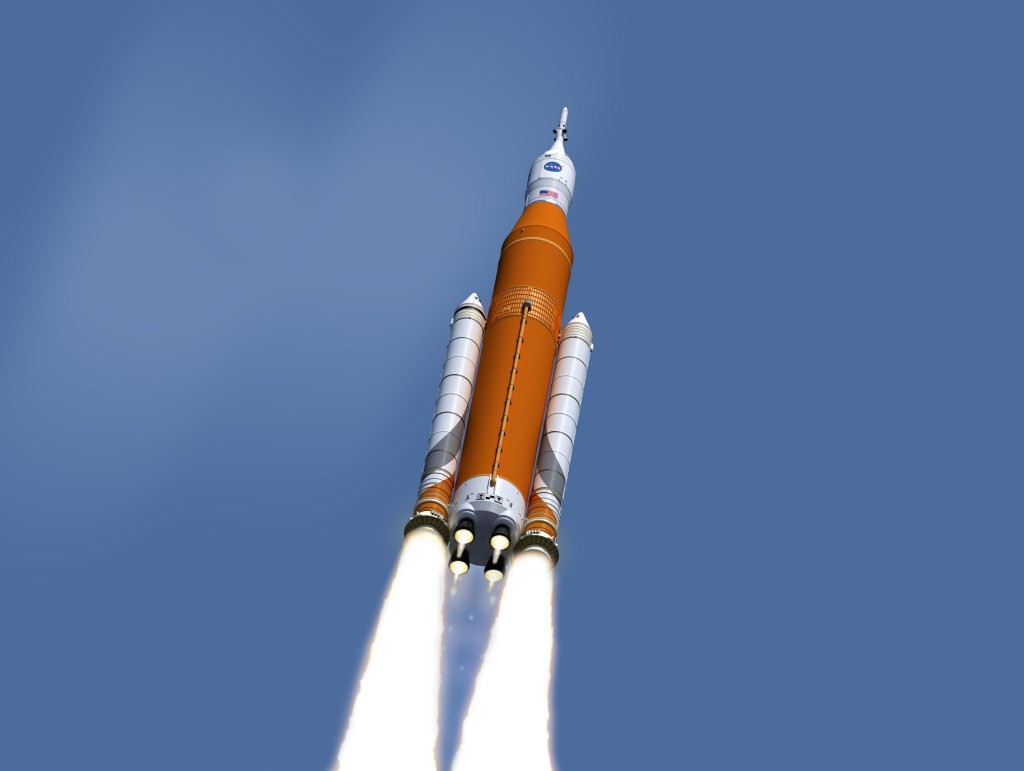
Aerojet Rocketdyne also plays a significant role in the space sector, providing rocket engines for launch vehicles operated by ULA and NASA’s Space Launch System (SLS). However, the company has recently encountered increased competition from entities like Blue Origin.
Furthermore, companies such as SpaceX maintain independent capabilities for designing and supplying their own propulsion systems.
Limited Broader Implications
This action is unlikely to significantly impact smaller startups within the space industry or broadly affect merger and acquisition activity. The deal involves a substantial transaction for a company with a highly specialized function within the defense industry.
The circumstances are unique and unlikely to have widespread repercussions for smaller players in the market.
Related Posts

Jared Isaacman Named Next NASA Administrator

Space-Based Solar Power: Beaming Energy to Earth

OSHA Investigates SpaceX Starbase Crane Accident
SpaceX IPO: Reportedly Planning 2026 Launch with $1.5T Valuation
SpaceX Valuation: Reportedly in Talks for $800B Sale