GM Issues Third Chevrolet Bolt EV Recall - Battery Defects
Chevrolet Bolt Recall Expanded Due to Battery Concerns
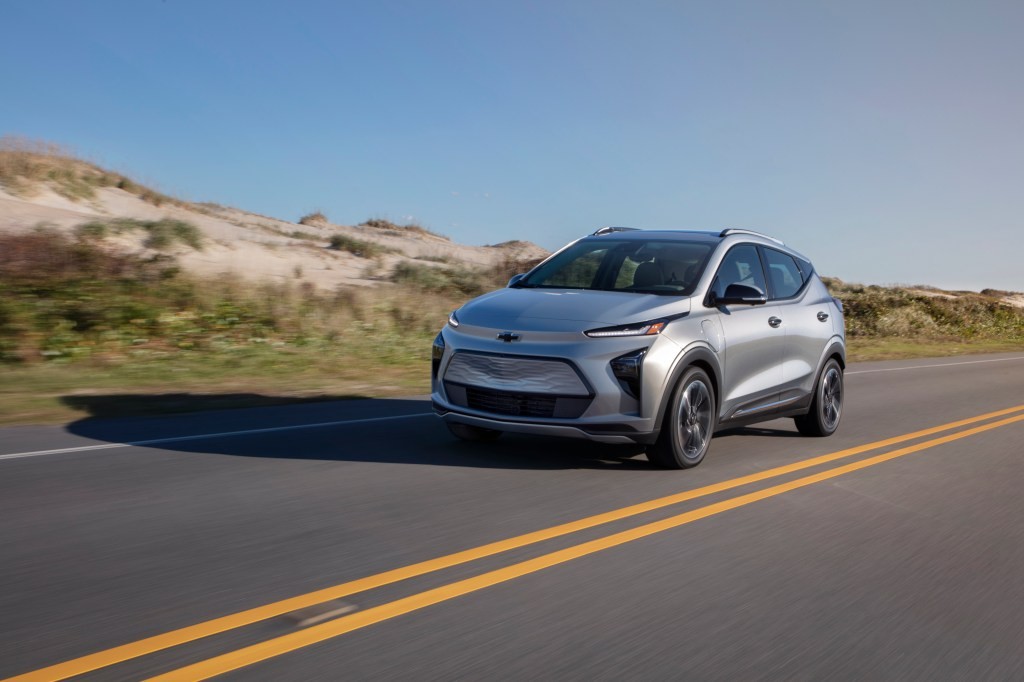
General Motors has announced an expanded recall affecting numerous Chevrolet Bolt electric vehicles. The recall stems from potential defects within the battery cells, which could elevate the possibility of a fire incident.
Third Recall for the Bolt EV
This represents the third instance of GM issuing a consumer notice specifically for the Bolt. The initial recall, released in July, focused on 2017 through 2019 Bolt EV models.
Now, the scope of the recall has been broadened. It encompasses an additional 9,335 2019 Bolt EVs, alongside 63,683 2020-2022 Bolt EV and EUV vehicles.
Manufacturing Defects Identified
According to the company’s statement, the batteries, sourced from LG of South Korea, may contain two distinct manufacturing flaws. These include a torn anode tab and a folded separator, both potentially occurring within the same battery cell.
The simultaneous presence of these defects significantly increases the risk of thermal runaway and subsequent fire.
Financial Impact of the Recall
GM anticipates that this expanded recall will incur an additional cost of $1 billion. This figure is in addition to the previously estimated $800 million associated with the earlier recall efforts.
The automaker reported that expenses related to rectifying the defective Bolt batteries constituted the majority of its $1.3 billion in warranty expenses during the last financial quarter.
Recommendations for Bolt Owners
GM is advising owners of affected Bolt vehicles to limit the state of charge to 90%. They also recommend avoiding allowing the battery to discharge below a 70-mile range.
Furthermore, the company suggests parking the vehicle outdoors immediately following a charging session and refraining from overnight indoor charging, as a precaution against potential fire hazards.
The National Highway Traffic and Safety Administration (NHTSA) has also issued guidance, recommending that Bolt drivers park their vehicles away from residential structures to minimize fire risk.
- Key Concern: Potential battery cell defects.
- Affected Models: 2017-2022 Chevrolet Bolt EV and EUV.
- Supplier: LG of South Korea.
Related Posts

Rivian Launches Universal Hands-Free Driving Feature

Rad Power Bikes Files for Bankruptcy, Seeking Sale
Tesla Deceptive Marketing: Autopilot and Full Self-Driving Ruling

Luminar's Volvo Deal and Bankruptcy: A Timeline

Slate EV Truck Reservations Top 150,000 Amidst Declining Interest