Germany Approves Driverless Vehicles on Public Roads
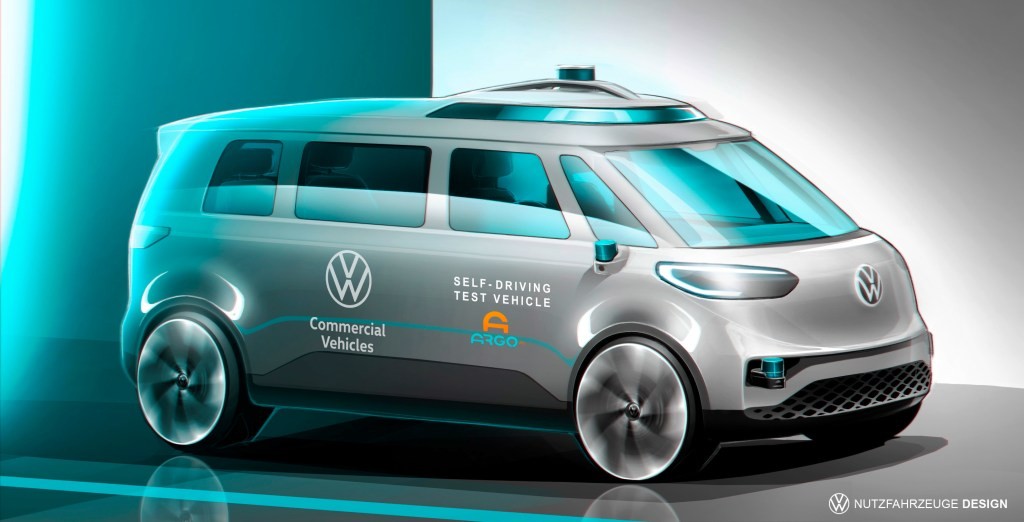
Germany Paves the Way for Driverless Vehicles
Legislation has been enacted in Germany to permit the operation of autonomous vehicles on public roadways as early as 2022. This development establishes a framework for the widespread deployment of robotaxis and delivery services throughout the nation.
Currently, autonomous vehicle testing is authorized within Germany. However, this new law will enable the operation of driverless vehicles without the necessity of a human safety operator present.
Level 4 Autonomy Defined
The recently approved bill, passed by the Bundestag, Germany’s parliamentary lower house, focuses specifically on vehicles achieving Level 4 autonomy.
This level, as defined by the Society of Automobile Engineers (SAE), signifies that the vehicle’s computer system manages all driving functions under specific conditions or within designated environments. Operational areas for these vehicles will be geographically restricted within Germany.
“Autonomous vehicles should, in the future, be capable of driving nationally without a driver physically present within defined operational areas of public road traffic during regular operation,” the legislation states.
Future Integration and Societal Benefits
The German Federal Government believes that further action is required to integrate these systems into routine operation. This integration aims to unlock the full potential of the technology and allow society to benefit from its advancements.
The bill now awaits approval from the Bundesrat, the upper chamber of parliament.
Potential Applications
The legislation outlines several initial applications for self-driving cars on German roads. These include:
- Public passenger transport
- Business and supply trips
- Logistics operations
- Company shuttles for employee transport
- Transportation between medical facilities and retirement homes
Companies intending to operate commercial driverless vehicles in Germany will be required to meet specific criteria. This includes maintaining adequate liability insurance and possessing the capability to remotely halt autonomous operations.
Existing Players and Competitive Advantage
Firms already conducting testing in Germany may find themselves favorably positioned within Europe’s largest economy. Argo AI, for instance, has been evaluating its autonomous vehicles at the LabCampus innovation center located at Munich Airport.
The company established its European headquarters in Munich last June and is preparing to launch a test site in collaboration with Volkswagen this summer. This site will be used to test the VW ID.Buzz electric vans.
Mobileye, a subsidiary of Intel, also maintains a presence and is actively testing autonomous vehicles within Germany.
Global Context and Comparison
Numerous U.S. states and other countries have established regulations concerning both the testing and potential commercial deployment of autonomous vehicles.
Pony.ai, a Chinese robotaxi startup, recently received its permit to test driverless vehicles in California, becoming the eighth company to do so. Nuro currently holds the sole deployment permit for commercial operation on public roads within the state.
In China, companies like Alibaba-backed AutoX are also engaged in testing driverless fleets on public roadways. Germany’s legislation represents a significant step beyond mere testing, moving towards the integration of these vehicles into everyday traffic.
Related Posts

Rivian Launches Universal Hands-Free Driving Feature

Rad Power Bikes Files for Bankruptcy, Seeking Sale
Tesla Deceptive Marketing: Autopilot and Full Self-Driving Ruling
Luminar's Volvo Deal and Bankruptcy: A Timeline

Slate EV Truck Reservations Top 150,000 Amidst Declining Interest