Second Life EV Batteries: Sustainability & Profit
The Lifecycle of Electric Vehicle Batteries
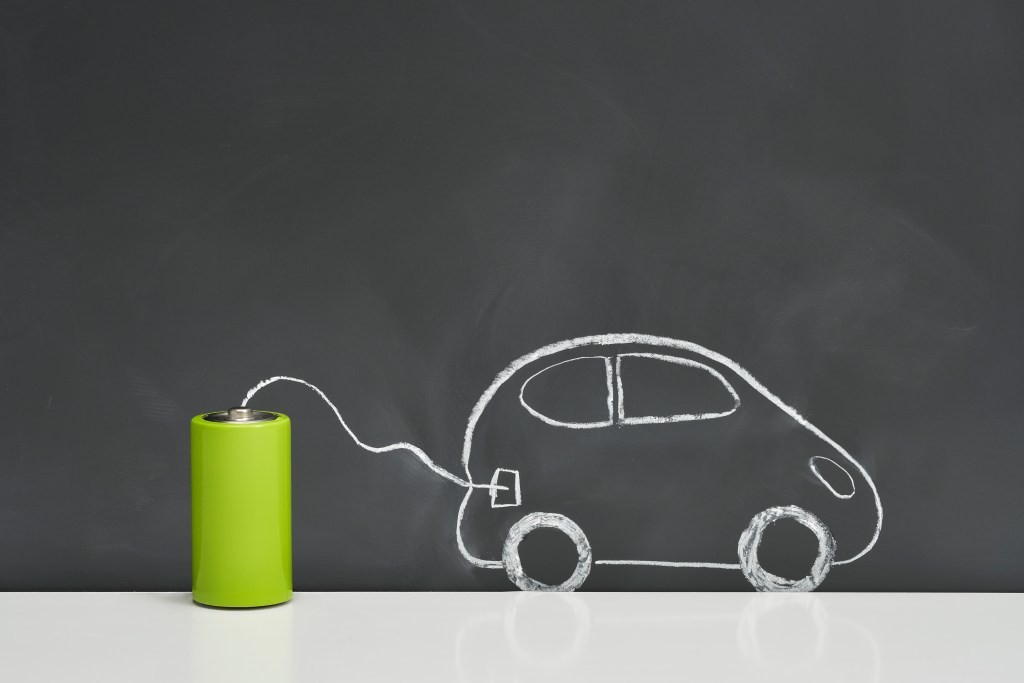
Electric cars and trucks present numerous advantages, including zero tailpipe emissions, quieter operation, and often more spacious, streamlined designs. However, the lithium-ion batteries that power these vehicles are subject to considerable stress.
Factors like inconsistent charging patterns, extreme temperatures, and frequent partial charges contribute to battery degradation over the initial five to eight years of service. Ultimately, these batteries require processing at a recycling facility.
Extending Battery Life Through Reuse
Rather than immediately sending batteries for raw material recovery, potentially forfeiting economic benefits, both startups and established automakers are exploring avenues for battery reuse. This is fostering a developing market.
Even after removal from a vehicle, an average electric vehicle lithium-ion battery typically retains up to 70% of its original charging capacity. This presents a clear business opportunity: automakers can unlock further revenue by repurposing batteries before recycling, or by selling them to specialized companies.
Current Second-Life Battery Projects
The limited availability of used batteries, due to relatively slow consumer adoption of EVs and their recent market introduction, has constrained the growth of this sector. Nevertheless, several automakers are actively pursuing second-life projects.
Recent initiatives include Nissan’s utilization of old batteries to power robotic systems. Furthermore, Groupe Renault, in collaboration with partners, is developing stationary energy storage systems utilizing repurposed EV batteries.
The Audi Environmental Foundation, an affiliate of Audi AG, partnered with Indian startup Nunam to construct solar nanogrids from used e-tron battery modules. These projects demonstrate the versatility of these batteries.
Designing for Reuse
Several other OEMs, including Lucid Motors, BMW, and Proterra, are integrating reuse considerations into their battery design processes.
Lucid Motors, for example, has engineered its batteries for compatibility across both its electric vehicle line and its energy storage products, including potential second-life applications, as stated by Chief Engineer Eric Bach to TechCrunch.
BMW has adopted a “plug-and-play” battery design for its i3 model, facilitating easy removal and integration into second-life applications. BMW spokesperson Weiland Bruch indicated to TechCrunch that “battery second-life will become its own self-standing business field.”
Extending Battery Lifecycles: A Growing Trend
The automotive industry is demonstrating increasing optimism regarding secondary applications for electric vehicle batteries, although the extent of their involvement in this emerging market remains uncertain. Matthew Lumsden, the CEO of Connected Energy, a U.K.-based firm, has observed a notable change in perspective over the last two years.
He reports that several Original Equipment Manufacturers (OEMs) are now considering batteries as valuable assets, rather than potential liabilities.
“It is now largely accurate to state that [OEMs] recognize the potential within these batteries and are seeking partners capable of maximizing their value,” Lumsden stated.
Repurposing EV Batteries for Energy Storage
Connected Energy collaborates with OEMs through various arrangements to integrate used EV batteries into energy storage solutions. The company acquires these batteries through direct purchase, leasing contracts, or revenue-sharing agreements.
This positions them within a rapidly expanding sector of companies specializing in the repurposing of EV battery packs, alongside firms like Spiers New Technologies Inc (SNT), located in Oklahoma City.
According to SNT, approximately 80% to 90% of the batteries they process originate from automakers, with the remaining portion sourced from vehicle dismantling facilities.
SNT founder Dirk Spiers anticipates that the proportion of batteries sourced from dismantlers “will increase over time.”
The Future of Used EV Batteries
“Electric vehicles are still a relatively new technology,” Spiers explained. “The initial EVs were introduced in December 2010, meaning we’ve only had vehicles on the road for around a decade.
Consequently, the percentage of batteries arriving from scrapyards is currently low, but this figure is expected to rise in the coming years.”
The eventual disposition of a used EV battery largely depends on whether automakers actively seek to reclaim them, or if they are returned during the warranty period or through vehicle trade-in programs.
Lumsden emphasizes that OEMs represent only one component of the overall system, and not all are interested in maintaining a continuing interest in the battery’s lifecycle.
Tesla, the leading electric vehicle manufacturer in the United States, is a prominent example of an automaker that has not yet pursued battery reuse initiatives.
Automotive Manufacturers Capitalizing on Battery Lifecycle Management
Several automotive manufacturers are now proactively managing the entire lifespan of electric vehicle batteries. Volkswagen Group, during its initial Power Day presentation, detailed a “closed-loop” battery strategy. This encompasses battery production, initial use within vehicles, subsequent second-life applications, and ultimately, recycling.
Furthermore, companies like NIO, based in China, are implementing a “battery-as-a-service” model. This allows consumers to acquire the vehicle itself without the battery pack, opting instead for a monthly subscription to cover battery usage. Used batteries can be rapidly exchanged at designated stations along roadways.
Benefits for Fleets and Heavy-Duty Vehicles
Leasing or subscription-based battery options are particularly appealing for electric vehicle fleets and heavier commercial vehicles. Batteries are likely to require replacement multiple times throughout a vehicle’s operational life. Hyundai, in February, established a partnership with KST Mobility, a South Korean taxi service, to sell EVs while retaining ownership of the batteries through a leasing arrangement.
Upon battery replacement, LG Energy Solution will repurpose the used batteries into energy storage systems. These systems will then function as charging stations for the KST fleet. This creates a sustainable cycle and maximizes battery utilization.
Proterra's Integrated Approach
Proterra, an electric bus manufacturer, also provides a battery leasing program. This program aims to reduce the initial cost of an electric bus to be comparable to that of a conventional diesel or natural gas bus. Proterra guarantees battery replacement within a six-year timeframe.
Although no batteries have yet been returned for second-life use, the company is already developing its strategy for energy storage applications. Proterra’s existing infrastructure for installing and managing charging stations positions it favorably for this endeavor.
“And those are all ready to be connected to a stationary battery,” explained Dustin Grace, Proterra’s CTO, in an interview with TechCrunch. Integrating a storage system with an EV charger can offer advantages, such as enabling customers to charge during periods of lower energy costs.
The Importance of Battery Ownership
“Access to batteries is truly the key factor,” stated Hans Eric Melin, managing director of Circular Energy Storage Research and Consulting. He emphasized that battery ownership is essential for automakers seeking to participate in the second-life battery market.
“If second-life applications are to be significant for [Original Equipment Manufacturers], they fundamentally need to own the batteries. Otherwise, they are in the same position as consumers – needing to purchase batteries rather than controlling their lifecycle.”
The Collaborative Path to Battery Second Life
The economic viability of repurposing electric vehicle (EV) batteries will be shaped by several key developments. These include progress in battery technology, the stability of material sourcing, the effectiveness of recycling processes, and the fluctuating costs of raw materials used in EV battery production.
Currently, not every Original Equipment Manufacturer (OEM) has implemented robust systems for monitoring and tracking battery health during vehicle operation. This lack of data makes evaluating battery condition after removal from the vehicle a more complex and expensive undertaking, as noted by Lumsden.
Companies like Lucid and Proterra are proactively addressing this challenge. They utilize electronic monitoring systems to continuously assess the condition of batteries throughout their initial use phase.
The ultimate question revolves around profitability, as Spiers points out: “Is a compelling business justification achievable?”
Research published in Energy Economics last October indicated that a second-life EV battery could potentially be valued as low as $100 per kilowatt-hour. This valuation assumes the battery retains 77% of its original charging capacity. However, BloombergNEF’s analysis suggests that the average cost of a new lithium-ion battery pack may approach $100 per kilowatt-hour as early as 2023.
Factors Influencing Second-Life Battery Value
- Advances in battery technology
- Security of the supply chain for materials
- Efficiency of recycling infrastructure
- Price volatility of raw EV battery materials
Effective battery health assessment is crucial for successful repurposing. OEMs with integrated monitoring systems, such as Lucid and Proterra, are better positioned to capitalize on this emerging market.
The potential for cost savings is significant. However, realizing these savings depends on maintaining sufficient remaining capacity in the repurposed batteries.
The Growing Importance of EV Battery Recycling
The prospect of repurposing electric vehicle (EV) batteries for second-life applications is appealing, however, the expenses associated with removal and rigorous testing of individual battery modules can accumulate rapidly. According to Sam Jaffe, managing director of Cairn Energy Resource Associates, as the price of battery cells continues its downward trend, vehicle manufacturers may deem the costs of refurbishing used EV batteries for new systems prohibitive.
Jaffe posed a critical question: “If the only alternative is disposal in a landfill, then reuse is certainly justifiable.” He further stated that recycling will likely become the more viable option.
He anticipates a future where an overwhelming majority – 99% – of all lithium-ion batteries will be directed to recycling facilities.
Drawing a parallel to lead-acid batteries, Jaffe noted, “99% of lead acid batteries are currently recycled.” He clarified that this isn’t solely due to governmental regulations aimed at removing lead from the environment. “It’s fundamentally an economic decision for companies; it’s more cost-effective to reclaim and reuse lead through melting than to extract it through mining.” Similar economic drivers are emerging within the lithium-ion battery sector.
This perspective was supported by Lumsden, who believes that a significant number of batteries will inevitably proceed directly to disassembly and recycling following their use in a vehicle. This may be due to excessive degradation or physical damage.
Recent years have witnessed the emergence of companies dedicated to processing used EV batteries, including Redwood Materials, a recycling startup, Northvolt based in Sweden, and Li-Cycle, a Canadian firm. Redwood Materials reports a recovery rate of 95%-98% of battery elements and currently holds the position of the largest lithium-ion battery recycler in North America. Volkswagen, among other automakers, has established ambitious goals to recycle 95% of each battery pack.
There is a consensus among governments in Europe, China, and the United States, as well as within the automotive industry, that used EV batteries should be diverted from landfills. However, the precise number of batteries that will be successfully utilized in second-life applications remains uncertain.
Lumsden described the current situation as being at a very early stage of development, stating, “We’re at the ripple before the ripple before the first wave.”
Note: This article has been updated to reflect the cessation of operations at Box of Energy AB.
Related Posts

Rivian Launches Universal Hands-Free Driving Feature

Rad Power Bikes Files for Bankruptcy, Seeking Sale
Tesla Deceptive Marketing: Autopilot and Full Self-Driving Ruling
Luminar's Volvo Deal and Bankruptcy: A Timeline
Slate EV Truck Reservations Top 150,000 Amidst Declining Interest