GM Plans to Sell Self-Driving Cars by 2030 - Mary Barra
GM's Vision for Personal Autonomous Vehicles
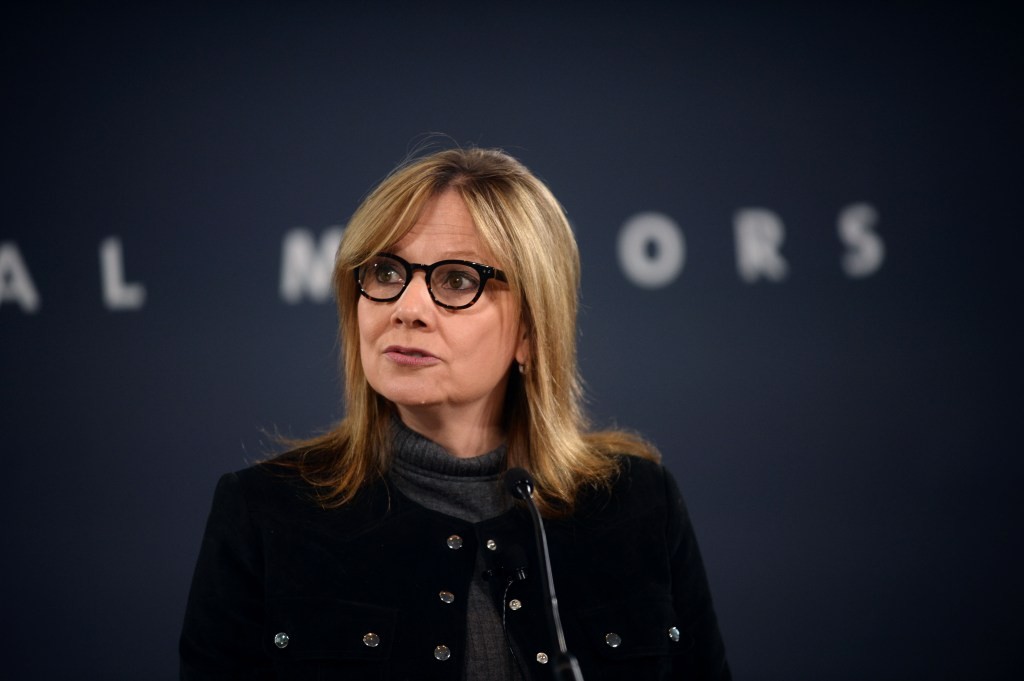
General Motors CEO Mary Barra articulated the company’s ambition to offer personally owned autonomous vehicles before the end of this decade. This plan hinges on leveraging the advancements originating from its self-driving subsidiary, Cruise, as revealed during Wednesday’s earnings discussion.
A Two-Pronged Approach to Autonomy
Barra outlined a strategy encompassing both evolutionary and revolutionary paths toward full Level 4 and Level 5 autonomy, as defined by SAE International standards. This dual approach will shape the automaker’s trajectory over the coming nine years.
The “revolutionary” aspect centers on Cruise, focused on deploying shared, electric, autonomous vehicles in densely populated urban environments. These vehicles are intended for both passenger transport and package delivery.
Cruise's Progress and Expansion
Currently, Cruise is rigorously testing its technology on public roads in San Francisco. While a full-scale robotaxi or last-mile delivery service hasn’t yet launched, a deal was recently finalized to introduce a robotaxi service in Dubai in 2023.
Super Cruise: Enhancing Driver Assistance
Concurrently, GM is continually refining its Super Cruise hands-free driver assistance system and expanding its availability across various vehicle brands. Super Cruise utilizes a sophisticated combination of lidar map data, precise GPS, cameras, and radar sensors.
A key feature of Super Cruise is its driver attention system, which actively monitors the driver to ensure continued engagement. Unlike some competing systems, Super Cruise doesn’t require drivers to keep their hands on the wheel, but mandates they maintain focus on the road ahead.
Ramping Up Super Cruise Capabilities
GM is accelerating the rollout of Super Cruise, aiming to equip 22 models with the technology by the close of 2023. Initially available in a single Cadillac CT6 model on divided highways in 2017, Super Cruise’s operational domain is steadily expanding.
The introduction of GM’s new digital vehicle intelligence platform, VIP, has significantly boosted processing power and bandwidth. This has enabled the addition of features like automated lane changes and the development of Super Cruise functionality for city streets.
The Role of the Vehicle Intelligence Platform (VIP)
Barra emphasized that the VIP platform, a secure and high-speed network connecting all vehicle systems, is crucial for Super Cruise’s ongoing development. VIP boasts 4.5 terabytes of data processing power per hour, a five-fold increase over previous GM architectures.
This enhanced capacity supports driver assistance systems, electric propulsion, over-the-air updates, and feature applications. Furthermore, it facilitates the delivery of software as a service, including new apps for customers.
Integrating Cruise Technology into Personal Vehicles
Ultimately, GM intends to adapt the self-driving technology developed for Cruise’s robotaxi and delivery services for use in privately owned autonomous vehicles. This integration will require substantial design, testing, and validation efforts.
Barra believes this convergence of Cruise’s capabilities and GM’s automotive expertise will position the company to deliver exceptional customer experiences and potentially unlock new revenue streams through subscription services.
Financial Performance and Outlook
GM reported first-quarter revenue of $32.47 billion, slightly below the $32.7 billion recorded in the same period last year. However, the company exceeded earnings expectations, resulting in a 4% increase in share price, closing at $57.58.
Net income for the first quarter reached $3 billion, a significant improvement from the $294 million reported in the previous year. EBIT-adjusted earnings were $4.4 billion, with adjusted earnings per share at $2.25, surpassing analyst estimates of $1.04.
GM reaffirmed its full-year guidance, anticipating results at the higher end of the previously projected $10 billion to $11 billion EBIT-adjusted range, even considering the ongoing chip shortage.
Related Posts

Rivian Launches Universal Hands-Free Driving Feature

Rad Power Bikes Files for Bankruptcy, Seeking Sale
Tesla Deceptive Marketing: Autopilot and Full Self-Driving Ruling
Luminar's Volvo Deal and Bankruptcy: A Timeline
Slate EV Truck Reservations Top 150,000 Amidst Declining Interest