GM Bolt EV Recall: Fire Risk Prompts Another Recall
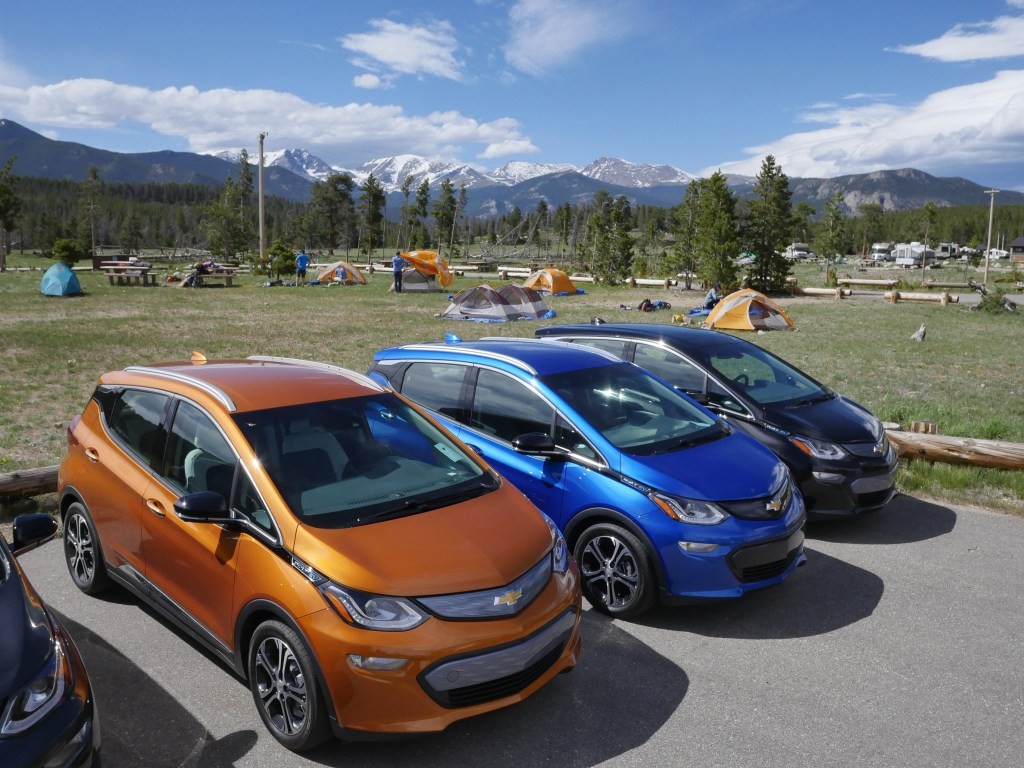
GM Issues Second Recall for Chevrolet Bolt EVs Due to Fire Risk
General Motors has announced a second recall affecting 2017 to 2019 Bolt EVs, stemming from concerns about potential fire hazards. The automaker intends to replace defective batteries as a resolution.
However, until battery replacements are feasible, GM is instructing Bolt EV owners to restrict charging to a maximum of 90 percent capacity. Furthermore, owners are advised not to allow the vehicle’s range to fall below 70 miles.
The company is also reinforcing a previous recommendation issued last week. This guidance discourages owners from parking their vehicles indoors or leaving them unattended while connected to a charger overnight.
Previous Recall and Diagnostic Measures
This recent recall builds upon a similar action taken last November, which encompassed over 68,000 Chevrolet Bolt vehicles. The initial recall addressed the same battery-related concerns.
GM is encouraging Bolt EV owners to schedule a visit with their local Chevy EV dealership. There, they can receive advanced diagnostic software designed to proactively identify potential battery problems.
Hyundai, also utilizing batteries sourced from LG Chem – similar to GM – previously replaced over 75,000 batteries in its Kona EV models.
Contextualizing the Risk
Although the situation may appear concerning – the GM recalls were initiated following five reported Bolt EV fires between 2017 and 2019 – it’s important to consider broader statistics.
A report from FEMA indicates that conventionally fueled vehicles typically contribute to approximately 150 fires daily. Nevertheless, manufacturers of electric vehicles must demonstrate a commitment to addressing potential issues responsibly.
This proactive approach is crucial for ensuring public safety and mitigating negative perceptions surrounding electric vehicle technology.
This article was originally published on Engadget.