GM and POSCO Chemical Form Joint Venture for Battery Components
General Motors and POSCO Chemical Partner for Cathode Production
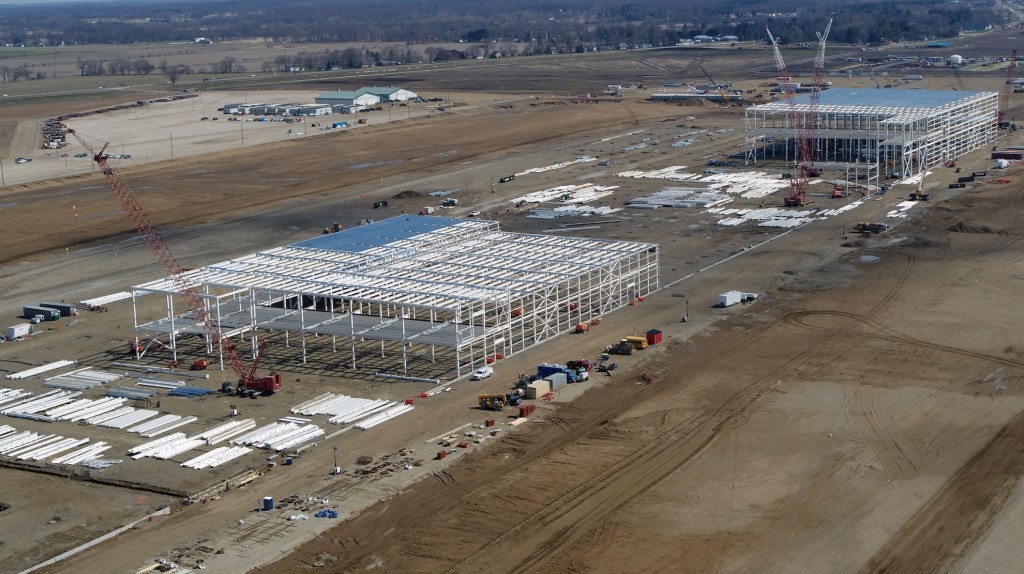
General Motors is strengthening its dedication to a self-sufficient battery supply chain. They announced a joint venture with POSCO Chemical, a South Korea-based company, to establish a new cathode active material facility in North America by 2024.
The Importance of Cathode Materials
Cathode active materials represent approximately 40% of the total cost associated with electric vehicle batteries. Currently, the majority of both cathode and anode production – key components of lithium-ion batteries – is concentrated in China, as reported by Benchmark Mineral Intelligence.
This new venture represents a significant stride towards GM’s objective of relocating the majority of its battery production to North America by 2025. This shift signifies a substantial geographical realignment of the existing battery supply chain.
Controlling the Battery Production Process
“Controlling our own production destiny is crucial, particularly in the realm of battery manufacturing,” stated GM executive Doug Parks during a conference call with journalists on Wednesday. “Therefore, we are actively pursuing a North America-centric vertical integration strategy for our exclusive platform.”
Expanding Vertical Integration Efforts
GM has already been proactively securing control over other aspects of the battery supply chain. This includes battery cell production through Ultium, its joint venture with LG Energy Solution, and a battery recycling agreement with Li-Cycle.
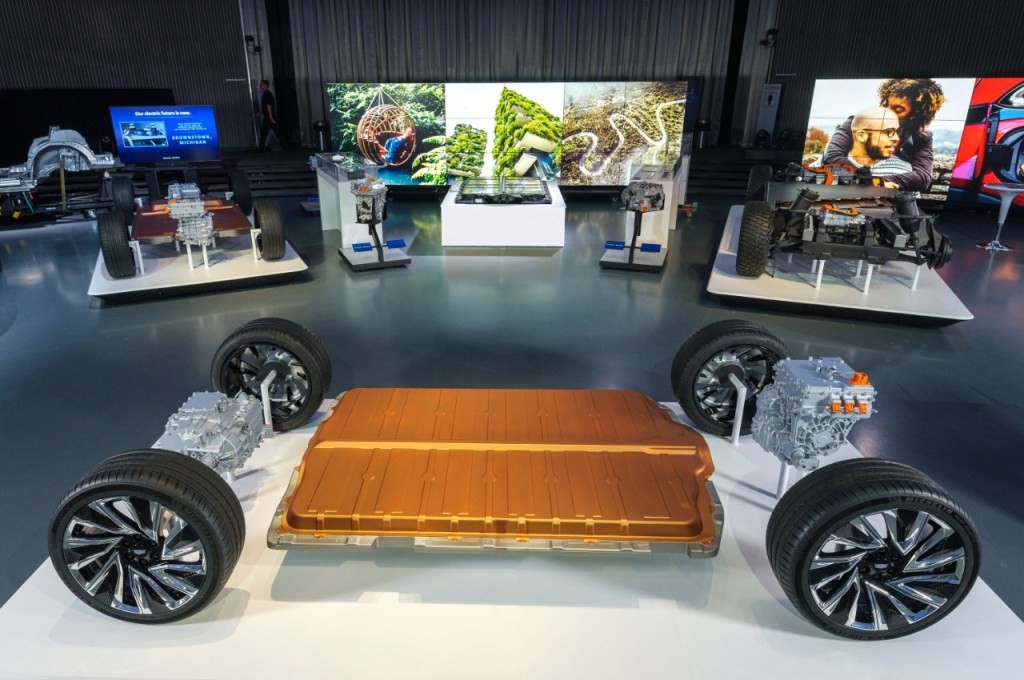
The materials generated at this new facility will be directly utilized in the production of new Ultium battery cells. These cells utilize a nickel-cobalt-manganese-aluminum (NCMA) chemistry and are central to the automaker’s $35 billion electrification plan.
Facility Details and Capacity
While specific details regarding the plant’s location and investment amount were not disclosed, it is anticipated to be a substantial undertaking. The facility’s output will supply the majority of the cathode active material required for all four battery manufacturing plants planned under the Ultium joint venture.
Ultimately, this will enable GM to achieve a total of 140 gigawatt-hours of cell manufacturing capacity within the United States.
Timeline and Next Steps
The joint venture faces a tight timeline to have the facility operational by 2024. The companies indicated that a site selection announcement could occur as early as the first quarter of the following year.
Lessons from the Chip Shortage
GM’s vertical integration strategy is being implemented against the backdrop of the ongoing semiconductor shortage, which has impacted numerous industries, including automotive and consumer electronics.
“The semiconductor crisis has underscored the necessity for agility,” Parks explained.
Addressing Supply Chain Concerns
Relocating more of the supply chain – including the sourcing of raw materials – to North America could mitigate some of the challenges inherent in battery production. These challenges include potential human rights concerns related to cobalt sourcing and environmental impacts.
“We believe the supply chain can be enhanced from its current state, both in terms of security – a locational security, which we refer to as the North American approach – and environmentally,” Parks added.
Related Posts

Rivian Launches Universal Hands-Free Driving Feature

Rad Power Bikes Files for Bankruptcy, Seeking Sale
Tesla Deceptive Marketing: Autopilot and Full Self-Driving Ruling

Luminar's Volvo Deal and Bankruptcy: A Timeline
Slate EV Truck Reservations Top 150,000 Amidst Declining Interest