Gridware: Early Detection Sensors for Power Grids & Wildfires
The Unseen Infrastructure: Maintaining a Reliable Power Grid
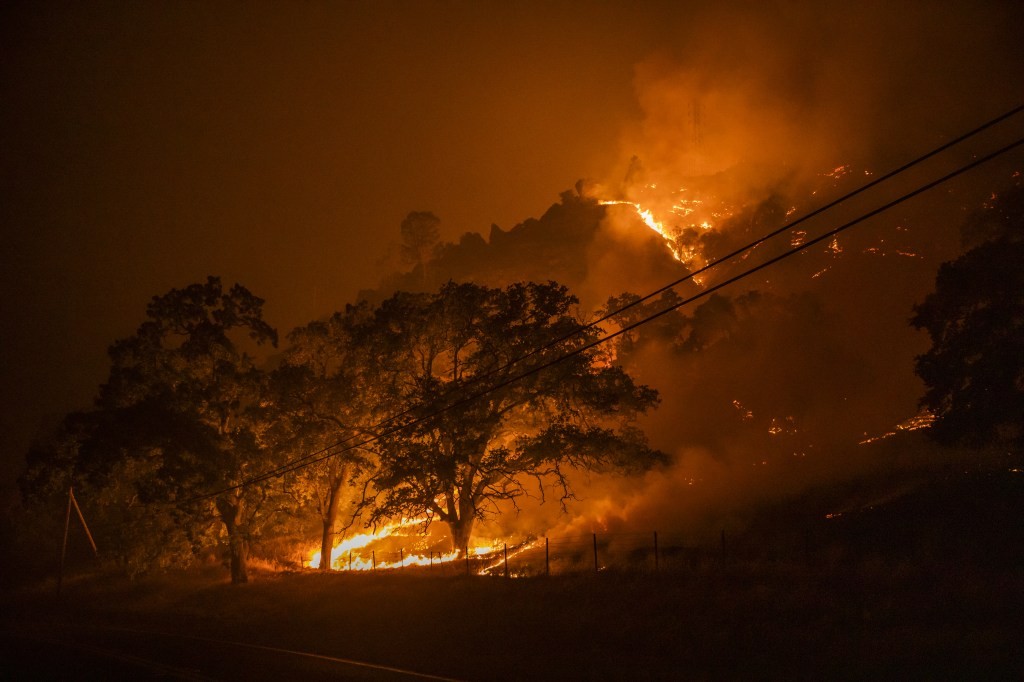
Similar to how corporate financial health often goes unnoticed, the stability of the power grid rarely receives attention when functioning correctly. News reports don't typically announce consistent power availability, nor do they detail the substantial efforts required for grid maintenance. It often requires a significant disruptive event, such as an unprecedented ice storm causing widespread outages in a major state, or devastating wildfires like the 2018 Camp Fire in California, to bring the grid into the public spotlight.
Increasing Strain on the Power Grid
The frequency of power grid-related news is anticipated to increase in the coming years. This is due to the intensification of storm activity linked to global climate change, and the resulting increased stress on existing grid infrastructure. As recently noted by Jon Shieber, “Regardless of whether markets are heavily regulated, as in California, or operate on free market principles like Texas, existing policies are insufficient to prevent weather-related disruptions and the associated risks to public safety.” The power grid represents a central component of one of the most significant challenges of this century.
The Need for Proactive Grid Monitoring
Effective solutions necessitate improved sensing technologies and advanced methods for identifying the origins of power outages – and, crucially, preventing them before they occur. Considering the millions of power poles and the vast network of transmission lines spanning the United States, how can utility companies reliably assess the condition of their systems? Furthermore, how can this be achieved efficiently, without imposing increased costs on consumers?
Introducing Gridware: Early Detection for Grid Resilience
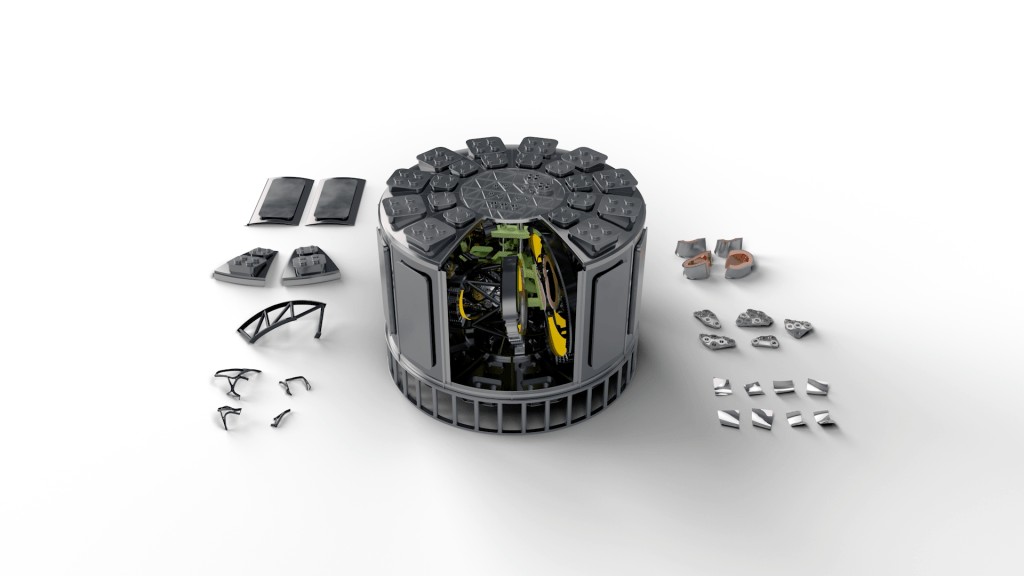
Gridware, a participant in the current Y Combinator program, is addressing this critical need with an innovative approach. They utilize a compact, sensor-equipped device that can be easily mounted to a power pole using only four screws. This device incorporates microphones and other sensors to monitor the surrounding environment, employing integrated AI/ML processing to detect anomalies and relay relevant information to grid managers.
According to Tim Barat, CEO and co-founder, the system functions as “a vigilant observer stationed beside the pole, constantly listening and monitoring.” He compares the device to a Fitbit for a power pole, emphasizing that detecting events like a tree branch falling onto a power line is “impossible without being directly at the point of the fault.” Gridware provides “consistent monitoring, rather than relying on chance,” he explained.
A Team Rooted in Practical Experience
The strength of the Gridware team lies in the diverse backgrounds of its founders. Barat himself gained firsthand experience as a power pole worker, conducting equipment evaluations and identifying potential issues. He highlighted that current inspection methods often involve physically striking poles with a hammer to detect termite damage, a practice that remains prevalent today.
Barat later pursued studies at the University of California, Berkeley, where he was mentored by Prabal Dutta, an electrical engineering professor who subsequently joined the company as a co-founder. Dutta’s research centers on “industrial cyber-physical systems,” and he continues to advance industrial control systems through digital interfaces at the iCyPhy center.
 From Wildfire Hiatus to Startup Launch
Barat also connected with Abdulrahman Bin Omar, a professional with extensive experience in the energy sector, during a class disrupted by California wildfires. They began collaborating in 2019 and joined Berkeley’s startup incubator, CITRIS Foundry, in 2020. The team expanded to include co-founders Hall Chen and Riley Lyman, and they secured a $150,000 grant from the California Energy Commission through the CalSEED program.
Current Status and Future Outlook
Currently, the startup employs seven individuals and is engaged in discussions with utility grids of varying sizes regarding product deployment. While grid infrastructure upgrades typically involve lengthy testing and sales cycles, the recent and highly visible power outages may accelerate the adoption of new technologies. Barat emphasized the need to “modernize our grid to address the challenges of the 21st century.”
Update February 18, 2021: Corrected “Citrus Foundry” to “CITRIS Foundry.” Apologies to the citrus fruit community…
Related Posts

Trump Media to Merge with Fusion Power Company TAE Technologies

Radiant Nuclear Secures $300M Funding for 1MW Reactor

Whole Foods to Implement Smart Waste Bins from Mill | 2027
Last Energy Raises $100M for Steel-Encased Micro Reactor
Everbloom AI Transforms Chicken Feathers into Cashmere