La Fourche: How an Organic Supermarket Survived the Q-Commerce Crash
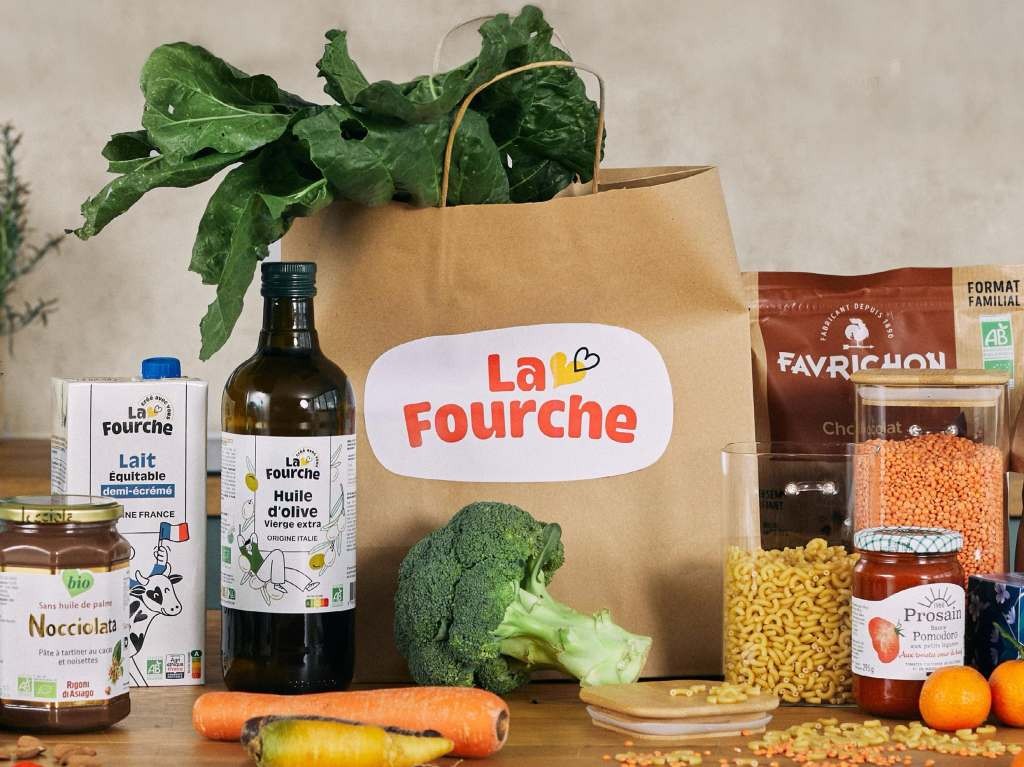
La Fourche: A Contrasting Path in the Online Grocery Landscape
Established only seven years ago, La Fourche, a French startup, has navigated a dynamic period. The online grocery retailer experienced the challenges of a global pandemic and the subsequent surge of venture-funded quick-commerce companies. It also witnessed the eventual decline of this rapid delivery model.
During a conversation with Nathan Labat, co-founder and CEO of La Fourche, he demonstrates limited focus on competitors like Flink, Getir, Gopuff, and Gorillas. These q-commerce startups rapidly expanded across Europe around 2021.
This is because La Fourche’s operational model represents a significant divergence from the strategies employed by those companies. Despite also receiving venture capital funding, the startup has pursued a distinctly different approach to the market.
Focus on Non-Perishable Goods
La Fourche primarily stocks healthy and organic products characterized by extended shelf lives. This includes items such as olive oil, diapers, cereals, shampoo, and coffee beans.
Labat explains consumer purchasing behavior through three distinct patterns. The first is the immediate need – “what’s for dinner?” – resulting in lower average order values, typically between €20 and €30.
The second pattern involves weekly planning, encompassing the purchase of fresh produce like fruits and vegetables. The third is a more substantial stocking-up behavior, aimed at filling pantries for a month or longer.
“We have clearly positioned ourselves as a ‘stock-up’ company,” Labat stated, emphasizing this core distinction.
Curated Selection and Private Label
The company deliberately limits the number of options within each product category. This strategy ensures comprehensive coverage of customer needs without creating decision fatigue through excessive choice.
Furthermore, La Fourche offers a range of its own branded products, enhancing its value proposition.
In essence, La Fourche aims to provide an alternative to the offerings of conventional supermarket chains and their delivery services.
Addressing Consumer Concerns
Labat points to a prevailing “lack of consumer confidence” in traditional grocery offerings. He cites “overwhelming catalogs filled with undesirable products” as a contributing factor, referencing the popularity of Yuka, an application focused on food health quality.
This highlights a consumer desire for transparency and healthier options, a need that La Fourche seeks to fulfill.
Projected to Reach €100 Million in Revenue
La Fourche operates on a yearly membership model, currently priced at approximately €60 ($65.50 at the current exchange rate). This membership grants customers access to orders without incurring delivery fees above a specified amount.
Labat identifies Costco and Thrive Market as key inspirations for this approach. Amazon Prime, with its established delivery membership program, also serves as a prominent example. Such subscriptions foster customer loyalty, enhance retention, and potentially elevate average order values.
Rather than managing multiple subscriptions for items like diapers, coffee, or personal care products, customers can consolidate their purchases through La Fourche.
“The prevalence of subscription models is increasing,” Labat observed. “In the food sector, this is particularly appealing as it allows for a ‘single subscription’ solution for diverse needs.”
 La Fourche’s performance metrics support these assumptions. Currently, the company boasts a membership base of 120,000 customers. These members, on average, place orders for around €120 of products every month or 45 days.
The company anticipates achieving €100 million in gross merchandise volume by 2025.
Improvements in unit economics are also evident. “We’ve progressed from a -15% EBITDA margin to -9% last year, and are projecting -2% for this year,” Labat stated. “Our goal is to reach profitability by the end of 2025.”
A significant factor in La Fourche’s successful business model is its scalability. Customer acquisition relies heavily on referrals, minimizing the need for increased marketing expenditure as the company expands. Currently, marketing expenses account for approximately 5% of revenue.
Furthermore, La Fourche operates with a streamlined infrastructure, utilizing a single, automated warehouse powered by AutoStore technology to serve the entire country. “We maintain a relatively asset-light model coupled with a strong rate of recurring revenue,” Labat explained.
Notably, 46% of La Fourche’s customer base is located in rural areas. This demonstrates the company’s appeal beyond urban centers, where consumers typically have numerous grocery shopping options.
Looking ahead, La Fourche plans to expand its customer base into Germany, launching its organic supermarket service under the brand name Ackerherz. Successful replication of this model in additional countries will likely lead to further geographic expansion.
Related Posts
Instacart's AI Pricing Tool Under FTC Scrutiny
Instacart Price Hike: Study Reveals Potential 20% Markups
Mesa Shutters Mortgage-Rewarding Credit Card
DoorDash Driver Faces Felony Charges for Spraying Customers' Food
on me Raises $6M to Disrupt Gift Card Industry