Uber's Robotaxi Plans: New Product Chief Takes the Wheel
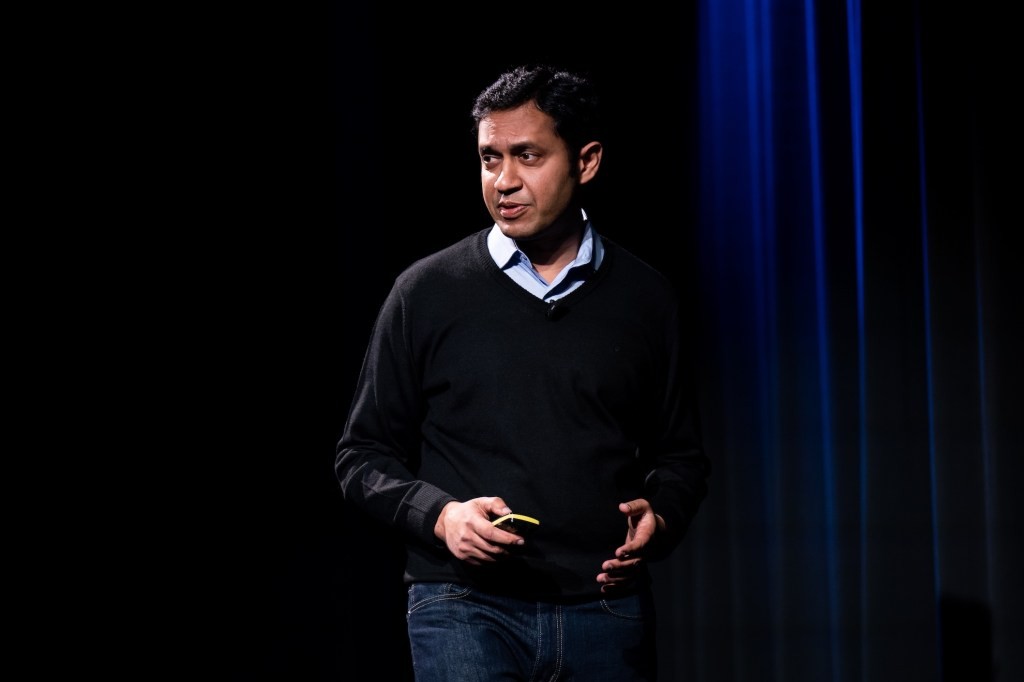
Sachin Kansal's Approach to Product Improvement at Uber
Sachin Kansal, a leader at Uber, is well-known for his commitment to “dogfooding.” This involves actively using the company’s own products to identify issues and drive enhancements.
Throughout his eight years with Uber, Kansal has personally completed approximately 700 trips as a delivery person or passenger. He consistently provides detailed feedback.
Detailed Feedback and Reports
Kansal’s reports are extensive, frequently exceeding dozens of pages. These documents include app screenshots and meticulously document his observations and proposed solutions.
Integrating Autonomous Vehicles: A New Challenge
As Uber’s newly appointed chief product officer, Kansal faces a significant undertaking: the integration of autonomous vehicles into the Uber platform.
This includes the recent launch of Waymo robotaxis in Austin, a particularly visible initiative. The challenge requires a thorough evaluation of his established dogfooding methods.
The Complexity of Platform Integration
Kansal reflects on the meaning of seamless integration, noting that it’s a concept that requires careful consideration. He assumed the CPO position in October, following Sundeep Jain’s departure.
In practical terms, integrating autonomous vehicles necessitates a complex technological process within the Uber app. This process is activated with each user request for a delivery or ride.
Matching and Pricing Decisions
Uber’s marketplace, responsible for matching and pricing, must now account for an additional variable. The system will need to instantly determine whether to dispatch a human driver or an autonomous vehicle.
This requires weighing numerous factors to optimize the user experience and ensure efficient service.
Robots Integrated into the Uber Platform
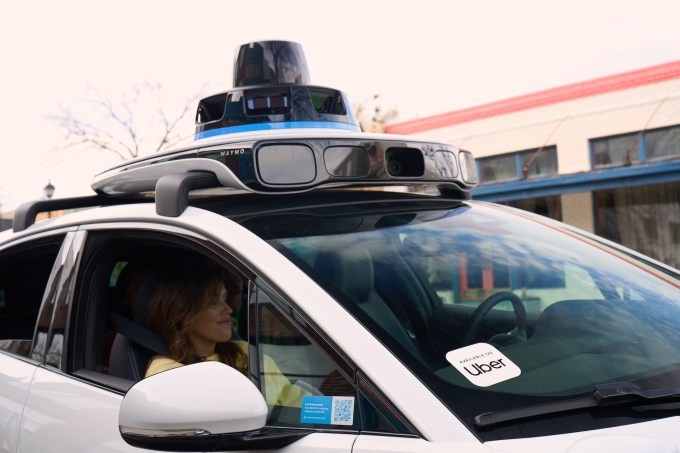 Initially focused on independent development of autonomous vehicle technology, Uber has shifted its strategy to embrace partnerships to gain a foothold in this emerging market. Currently, Uber collaborates with 14 different companies specializing in autonomous technologies worldwide.
In 2023, a partnership was established with Waymo, Alphabet’s self-driving car division, to provide robotaxi services in Phoenix, Arizona. Furthermore, Uber has reached agreements with companies like Avride, Cartken, and Serve Robotics to facilitate autonomous food deliveries through the Uber Eats platform.
Avride is also scheduled to introduce its robotaxi service via the Uber application in Dallas later this year.
Kansal is responsible for shaping the user experience and functionality of these autonomous vehicle (AV) product offerings within the Uber app. His next significant challenge is now underway.
The recent launch of a robotaxi service in Austin, Texas, represents a progression in the collaborative strategies of Waymo and Uber. This exclusive partnership, branded “Waymo on Uber,” means that accessing a Waymo robotaxi in Austin – and soon Atlanta – will be exclusively possible through the Uber app.
This service also introduces a division of responsibilities, differing from Waymo’s traditional operational approach.
Waymo will retain control over vehicle testing, roadside assistance, and specific aspects of customer support. Uber, however, will oversee fleet management, including vehicle cleaning, maintenance, inspections, charging, and depot operations, utilizing a company called Moove Cars, which is undergoing a rebranding to Avomo.
Crucially, Uber will manage the process of matching riders with robotaxis, determining pricing, and calculating optimal routes. The integration of robotic and human-driven vehicles may generate considerable debate. The Teamsters union, representing drivers, actively opposes the deployment of robotaxis and self-driving trucks.
Concerns have been voiced by drivers regarding potential wage reductions or job displacement due to the introduction of robotaxis.
Having previously led the rollout of the Uber for Teens service, Kansal anticipates continuous development and refinement of the AV program as the company gains experience.
“We anticipate gaining valuable insights into the management, maintenance, and charging of autonomous vehicles,” he stated. “We will also learn significantly as we establish fleet operations in collaboration with our partner.” He further noted that Uber will leverage its existing expertise in managing a network of human drivers to optimize robotaxi operations.
“I am quite optimistic about the potential for success,” he expressed. “Naturally, we will refine the system based on our learnings, and these improvements will be implemented not only in Austin but also in other locations.”
Kansal conveyed confidence in the “Waymo on Uber” service model and the utilization of a fleet operator, while acknowledging the possibility of exploring alternative approaches in the future.
“We will undoubtedly experiment with different models, but we are currently very comfortable with this approach, given our experience working with fleet providers,” he concluded.
A History of Uber's Autonomous Vehicle Initiatives
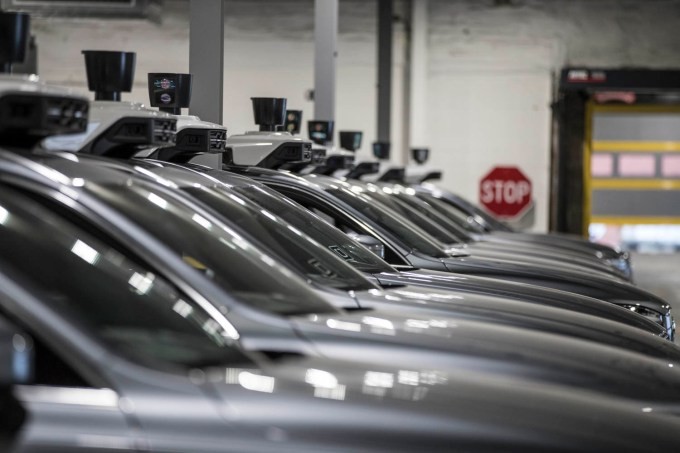 Uber’s involvement with autonomous vehicle (AV) technology has been marked by both ambition and difficulty. Under the direction of co-founder and former CEO Travis Kalanick, the company viewed the development of self-driving cars as a competitive landscape where only one entity could ultimately succeed.
This perspective led Uber to prioritize the creation of an independent internal division dedicated to AV development. The company initiated its efforts in early 2015 through a collaborative agreement with the National Robotics Center at Carnegie Mellon University.
This partnership facilitated the recruitment of numerous researchers and scientists from NREC to Uber. Subsequently, in 2016, Uber completed the acquisition of Otto, a startup specializing in self-driving trucks.
Otto was founded by Anthony Levandowski, a former engineer from Google, alongside three other Google alumni: Lior Ron, Claire Delaunay, and Don Burnette. This acquisition, however, triggered legal disputes with Google.
Google initiated two arbitration proceedings against Levandowski and Ron. Furthermore, Waymo, Google’s autonomous driving subsidiary, filed a lawsuit against Uber in February 2017, alleging trade secret theft and patent infringement.
Waymo’s claim centered on accusations that Levandowski had misappropriated confidential information, which was then utilized by Uber. The case proceeded to trial but was ultimately resolved through a settlement agreement in 2018.
A particularly tragic incident occurred in March 2018 when an Uber autonomous test vehicle, with a human safety operator present, fatally struck a pedestrian. This event prompted a widespread pause in testing across the entire industry, and Uber suspended its AV testing program.
In the spring of 2019, Uber established Uber ATG as a separate entity, following a $1 billion investment from Toyota, Denso, and SoftBank’s Vision Fund. Despite this funding, the venture remained expensive.
Uber ATG employed over 1,000 individuals and maintained a fleet of at least 250 self-driving vehicles. Eventually, Uber divested ATG to Aurora, a startup, in a transaction involving an equity exchange and a $400 million investment.
This investment granted Uber a 26% ownership stake in the newly combined company. Despite shifting its strategy from in-house development to partnerships with companies like Waymo, Uber has consistently expressed its belief in the potential of autonomy, according to Kansal.
However, challenges and controversies are expected to persist, regardless of the company’s level of conviction. Kansal is implementing a rigorous testing system, often referred to as “dogfooding,” to accelerate improvements in its AV operations.
He is personally utilizing Waymo robotaxis in Austin to gather firsthand experience and identify areas for refinement. Currently, Uber facilitates approximately one million trips per hour, and Kansal aims to ensure each journey is without flaw.
Related Posts

Pickle Robot Appoints Tesla Veteran as First CFO
iRobot's Decline: How They Lost Their Way
Ishowspeed Sued: Alleged Assault of Viral Rizzbot
Beeple's $100K Robot Dog with Elon Musk & Picasso Sells

Mistral AI Challenges Leaders with New Open-Weight Models