Hyundai Electric SUV Concept: Hygienic & Lounge-Like Interior
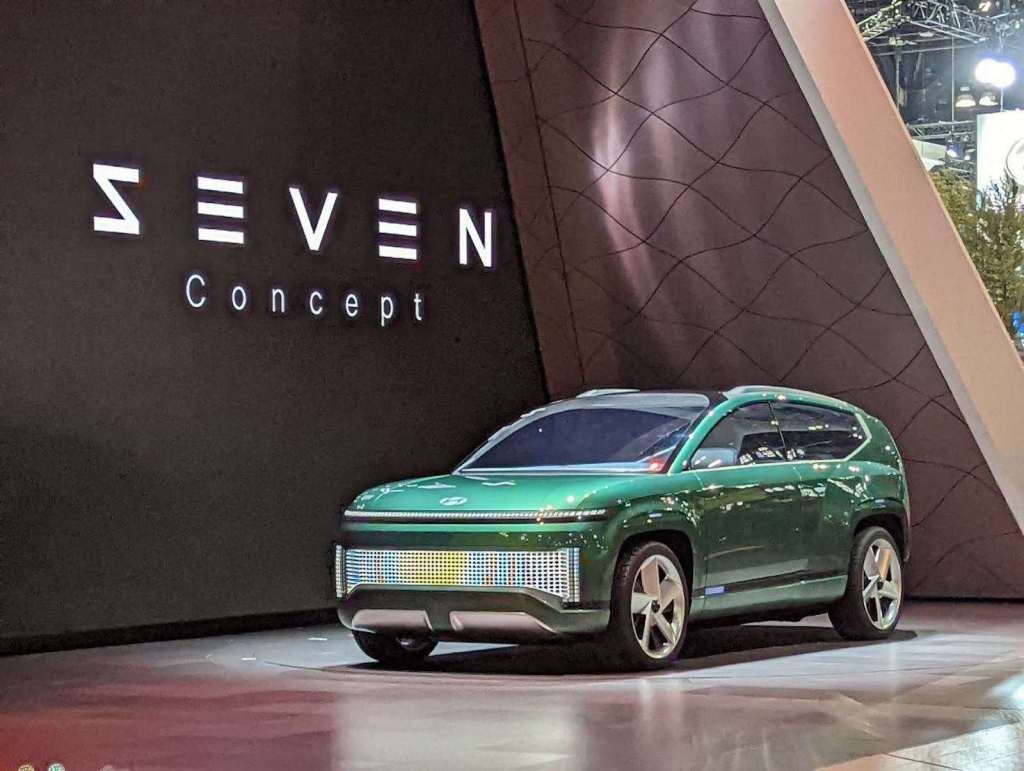
Hyundai's Vision of the Future: The All-Electric SUV Concept
During the 2021 Los Angeles Auto Show, Hyundai unveiled a novel all-electric SUV concept. This vehicle showcases innovative features, ranging from comfortable lounge-style seating to an interior designed with hygiene in mind.
The introduction of a “hygienic” interior is particularly relevant given the ongoing concerns surrounding the COVID-19 pandemic, now entering its third year.
Understanding Concept Vehicles
It’s important to recognize that concept vehicles serve as explorations of design and technology. They represent potential future directions for automotive development.
However, a concept’s appearance at an auto show doesn't guarantee its production. Not every concept ultimately makes its way to dealerships for consumer purchase.
A Production-Ready Platform
Notably, Hyundai’s new concept is built upon an existing, readily available platform. This means the underlying technology is currently used in vehicles available for purchase.
The SUV is a full-size model, indicating Hyundai’s ambition to apply these innovative features to a larger vehicle segment.
This approach suggests a higher likelihood of seeing some of these features incorporated into future Hyundai production models.
Hygienic Interiors: A Novel Approach
Numerous automotive manufacturers have presented concept vehicles featuring spacious, lounge-style interiors and seats capable of rotating 360 degrees, anticipating a future dominated by fully autonomous driving. However, the Hyundai SEVEN concept distinguishes itself through its focus on integrated hygienic features.
A key innovation is the “Hygiene Air Flow” system, designed to separate airflow between the front and rear cabin areas. This system draws air in through roof rail intakes and expels it through wheel vents, operating in a “vertical mode.” Alternatively, a conventional “horizontal mode” directs airflow from front to rear. Hyundai asserts this system functions effectively both during vehicle operation and while parked, drawing inspiration from advanced aircraft ventilation technologies.
Image Credits: Abigail BassettBeyond controlled airflow, Hyundai showcased a concept for maintaining interior cleanliness between uses, acknowledging the potential for shared autonomous vehicle ownership. This consideration is particularly relevant given the ongoing concerns surrounding viral transmission.
The SEVEN concept incorporates a UVC sterilization cycle activated after passenger egress. UVC, or Ultraviolet-C, light serves as a disinfectant for air, water, and non-porous surfaces. The FDA confirms its efficacy in eliminating the SARS-CoV-2 virus, the causative agent of COVID-19. Due to the potential for skin and eye damage, the sterilization cycle operates only when the vehicle is unoccupied.
Complementing the airflow and UVC sterilization, Hyundai has integrated materials with inherent antimicrobial properties, such as copper. Additionally, the interior features hygienically treated fabrics to further inhibit the propagation of viruses. A unique “shoe refreshing appliance” is also included, designed to clean and deodorize footwear.
Actual Charging Capabilities and Range
Hyundai’s SEVEN Concept is engineered to utilize the Electric Global Modular Platform (E-GMP). This platform currently serves as the basis for several vehicles within the Hyundai-Kia automotive group.
The Ioniq 5, a fully electric crossover, represents the first production Hyundai vehicle constructed upon this platform.
Similarly, the Kia EV6 is also built using the E-GMP architecture.
Future electric vehicles from Genesis, the luxury brand owned by Hyundai-Kia, will also be founded on this versatile platform.
Charging Speed and Battery Capacity
The E-GMP enables electric vehicles to accommodate both 400-volt and 800-volt charging systems.
Vehicles like the Ioniq 5 can achieve an 80% charge from 10% in under 20 minutes when connected to a 350 kW DC Fast charger.
Hyundai projects a range exceeding 300 miles from the larger 77.4 kWh battery pack option.
Concept to Reality
Although concept vehicles frequently remain largely unrealized, the Hyundai SEVEN concept presents a compelling combination of speculative design and existing technology.
This provides insight into Hyundai’s vision for the future of mobility and transportation.
Related Posts

Rivian Launches Universal Hands-Free Driving Feature

Rad Power Bikes Files for Bankruptcy, Seeking Sale
Tesla Deceptive Marketing: Autopilot and Full Self-Driving Ruling
Luminar's Volvo Deal and Bankruptcy: A Timeline
Slate EV Truck Reservations Top 150,000 Amidst Declining Interest