RBI Concerned About Big Tech in Financial Services - India
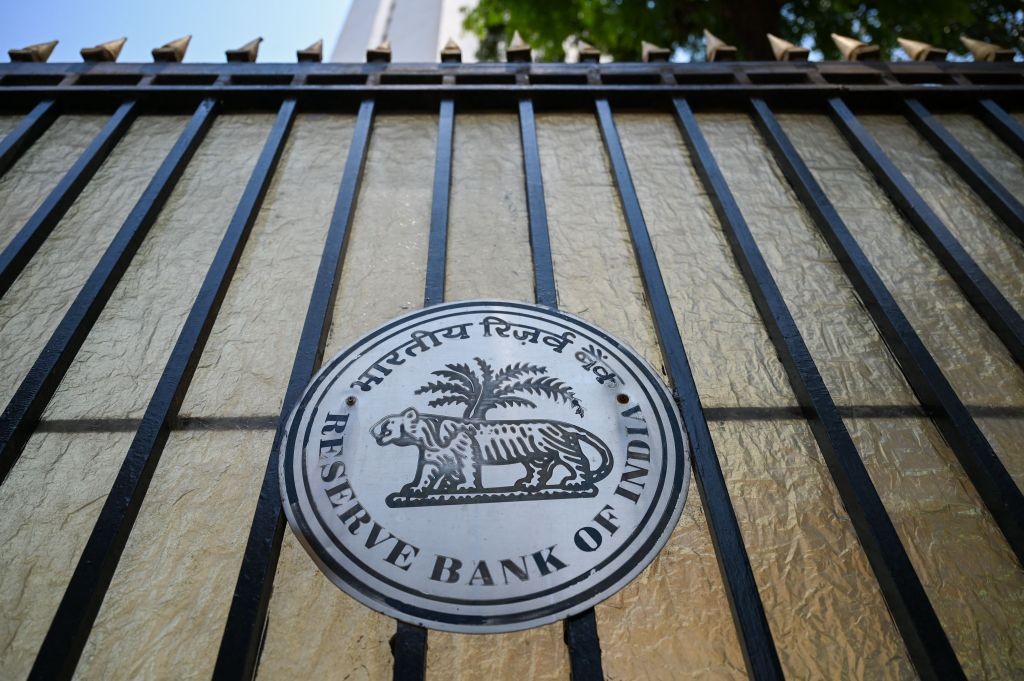
India's Central Bank Addresses Big Tech's Financial Services Expansion
The Reserve Bank of India (RBI) has recognized the increasing involvement of large technology companies in the financial sector as a significant challenge for banks operating within the South Asian market.
A recently published report by the RBI acknowledges that Big Tech’s broad range of digital services presents opportunities for enhanced financial inclusion and efficiency gains, potentially fostering greater competition among banks.
Key Concerns Raised by the RBI
However, the central bank also highlighted several crucial policy considerations arising from this expansion. These include:
- Concerns regarding a fair competitive landscape with established banking institutions.
- Potential operational risks associated with these large-scale operations.
- The implications of “too-big-to-fail” scenarios.
- Challenges to existing antitrust regulations.
- Cybersecurity vulnerabilities and data privacy issues.
The RBI noted that Big Tech firms often operate across diverse business sectors with complex governance structures, giving them the potential to become dominant forces in financial services.
Furthermore, these companies can leverage network effects to overcome traditional limitations to scaling in the provision of financial services.
Regulatory Approach
To address these concerns, the RBI suggests a blended approach to prudential regulation, focusing on both activities and entities. This would build upon existing activity-based regulations, such as those related to anti-money laundering and counter-terrorism financing.
The central bank also emphasized the growing need for international coordination of rules and standards as the digital economy transcends national borders.
The report does not explicitly define “Big Tech,” leaving open the question of whether the term encompasses solely American technology giants or also includes Indian conglomerates like Reliance Industries and Tata Group, which are also venturing into financial services.
Context of Expanding Payment Networks
This caution from the RBI occurs as the bank is actively expanding the national payment network, building upon the success of UPI, a retail bank-backed mobile payment infrastructure.
Several major players, including Facebook, Google, Amazon, Visa, and Mastercard, have applied for licenses to operate retail payments and settlement systems within the country. Approvals are anticipated later this year.
Analysts at Bernstein have commented that India is unique in bringing together the largest corporations, banks, telecommunications companies, and global tech players to construct national payment networks.
Industry Perspectives
One industry executive questioned the RBI’s concerns, pointing out that existing regulations do not prevent large Indian banks, such as ICICI and HDFC, from investing in their own digital expansion, given their extensive customer data holdings.
The executive highlighted the significant market valuation of State Bank of India’s digital platform, Yono, questioning why its reach isn’t similarly scrutinized.
The executive, speaking anonymously, asserted that Big Tech firms are currently adhering to RBI regulations, utilizing banking infrastructure and operating through partnerships with banks.
They also noted that the RBI is actively implementing further regulations, including restrictions on wallet KYC requirements and market share caps for payment services operating on the UPI infrastructure.
Related Posts

21-Year-Old Dropouts Raise $2M for Givefront, a Nonprofit Fintech

Monzo CEO Anil Pushed Out by Board Over IPO Timing

Mesa Shutters Mortgage-Rewarding Credit Card

Coinbase Resumes Onboarding in India, Fiat On-Ramp Planned for 2024
PhonePe Pincode App Shut Down: Walmart's E-commerce Strategy