Poladrone Secures $4.29M Seed Funding for Crop Protection
Protecting Oil Palm Crops with Drone Technology: Poladrone Secures $4.29M Seed Funding
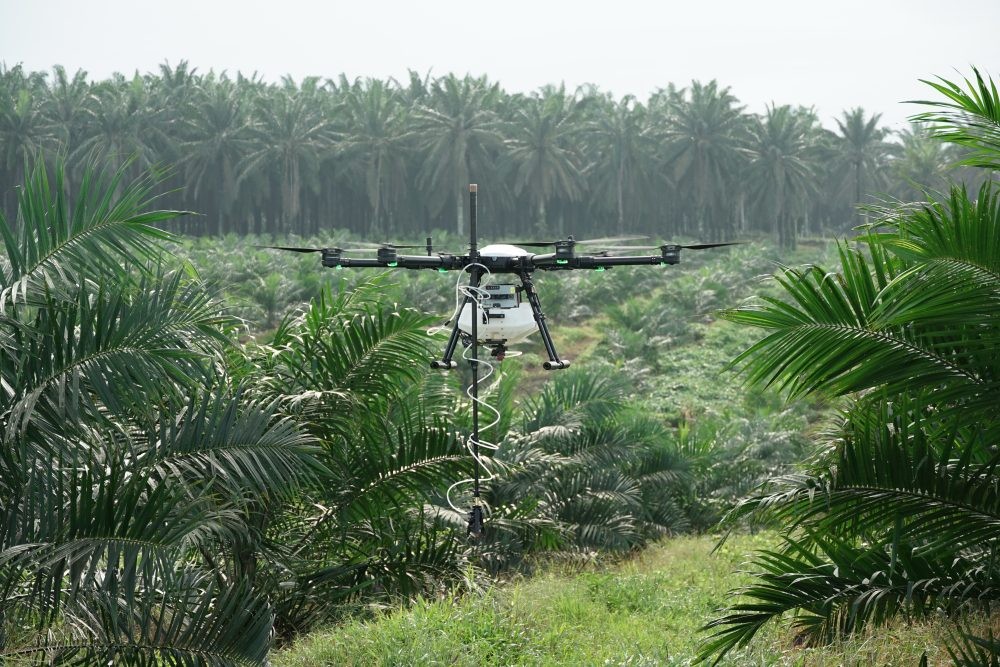
Rhinoceros beetles pose a significant challenge to oil palm cultivation, impacting young plants and potentially diminishing farm yields for years to come. Frequent pesticide applications are often necessary, raising concerns for worker health. Poladrone, a company headquartered in Kuala Lumpur, is pioneering a new approach to pest control by integrating drones, automation, and sophisticated analytics software.
Seed Round Details and Investors
The company recently announced the successful completion of a $4.29 million seed round. This funding, led by Wavemaker Partners, represents the largest seed investment ever recorded in Malaysia, according to Crunchbase data.
Key participants in this round included:
- Malaysian Technology Development Corporation (MTDC), a wholly-owned subsidiary of Khazanah Nasional Berhad.
- ZB Capital Limited
- A group of angel investors
Expansion Plans and Growth
Established in 2016 by Cheong Jin Xi, Poladrone currently operates in both Malaysia and Thailand. Future plans involve expansion into Indonesia, the world’s leading producer of oil palm.
Cheong Jin Xi shared with TechCrunch that Poladrone is already profitable. However, the company sought additional funding following the onset of the COVID-19 pandemic, which underscored the positive impact of their technology on agricultural communities through job creation and skills development.
The pandemic also spurred increased adoption of Poladrone’s drone solutions due to labor shortages. Consequently, the startup rapidly expanded its team from 20 to over 80 employees within a year to meet growing demand.
From Aerospace Engineering to Agritech Innovation
Cheong’s initial fascination with drones began during his high school years in Melbourne, Australia, ultimately leading him to pursue a degree in aerospace engineering.
Upon returning to Malaysia, he explored potential applications for drone technology and identified the agricultural sector as a particularly promising area. He recognized that drones could autonomously perform repetitive tasks over extensive terrains, while simultaneously capturing valuable data through their integrated cameras.
Growing up in Kuala Lipis, a town in the Pahang state known for its agricultural activity, further fueled Cheong’s interest in agritech. His family’s deep roots in farming provided valuable insights that shaped the development of Poladrone’s products.
Addressing the Rhinoceros Beetle Problem
Rhinoceros beetles present a critical threat during the first three years of an oil palm’s 25-year lifecycle. Attacks from these beetles can hinder tree growth, delaying maturity and, in some cases, leading to plant death.
“The long-term consequences are substantial; once mature oil palms are established, replanting becomes impractical, meaning any lost palm represents a wasted space for the next 22 years,” Cheong explained.
To mitigate this risk, oil palm farms typically implement preventative pesticide spraying every two weeks for the initial two years after planting, followed by monthly applications until the palms reach maturity. This is traditionally carried out by workers using knapsack sprayers or tractor-mounted equipment.
 Poladrone’s Product Offerings
In 2020, Poladrone launched Oryctes, a product developed with support from Malaysia Digital Economy Corporation, designed for precise spot spraying to target rhinoceros beetles and other pests.
The company also recently introduced Mist Drone, a solution for blanket spraying open field crops such as paddies, corn, and bananas.
Market Opportunity and Future Growth
Poladrone primarily serves mid-to-large-scale oil palm farms, typically those encompassing 5,000 hectares or more. “Data analytics and automation become essential for farms of this size,” Cheong stated.
He further noted that oil palm plantations cover 18.7 million hectares globally, with a serviceable addressable market of 4.2 million hectares within Malaysia alone, representing an annual value exceeding $1.3 billion. The company also intends to extend its solutions to other crops, including rice, corn, and sugarcane.
Service Centers and Training
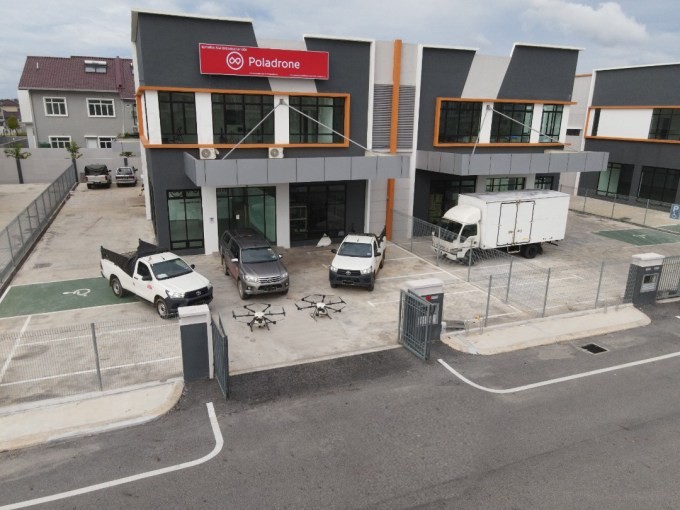
Beyond product sales, Poladrone’s Service Centers offer repair services, training programs, and workshops to promote wider drone adoption. Cheong indicated that workers typically require one week of training before confidently operating Poladrone’s equipment, which is controlled via smartphones.
Investor Confidence
Gavin Lee, general partner at Wavemaker Partners, expressed strong confidence in Poladrone’s potential, stating, “Poladrone currently collaborates with eight out of ten of the largest palm oil farms in Malaysia—a remarkable achievement that reinforces our commitment to supporting the team and their vision for advancing Southeast Asia’s agricultural industry.”
Related Posts

Trump Media to Merge with Fusion Power Company TAE Technologies

Radiant Nuclear Secures $300M Funding for 1MW Reactor

Coursera and Udemy Merger: $2.5B Deal Announced

X Updates Terms, Countersues Over 'Twitter' Trademark

Slate EV Truck Reservations Top 150,000 Amidst Declining Interest