Mission-Driven Ventures Thrive During Pandemic

Emerging Financial Ventures Beyond the Headlines
Alongside the widely discussed trends of SPACs, meme stocks, and "buy now, pay later" services, a different set of financial initiatives is gaining traction.
Consider the LTSE, First Women’s Bank, and Upsolve – organizations that have received less mainstream attention.
A Shift in Focus During the Pandemic
The COVID-19 pandemic spurred significant interest in novel market structures and trading behaviors often characterized as short-term, risky, or speculative.
Determining whether these activities truly are risky and evaluating their overall impact on different parties involved are important considerations.
Beyond Speculation: Ventures for Positive Change
However, the prominence of these speculative trends has overshadowed analysis and reporting on other, equally ambitious, technological endeavors.
These ventures are focused on fundamentally improving financial markets through principles of longevity, community, and empowerment.
They seek to address systemic issues and create a more equitable financial landscape.
Key Initiatives
- LTSE (Long-Term Stock Exchange): Aims to encourage companies to prioritize long-term value creation over short-term gains.
- First Women’s Bank: Dedicated to providing financial services and support to women-owned businesses and entrepreneurs.
- Upsolve: A non-profit organization leveraging technology to help low-income individuals navigate bankruptcy proceedings.
These examples demonstrate a growing movement towards financial innovation that prioritizes societal benefit alongside profit.
A deeper understanding of these initiatives is crucial for a comprehensive view of the evolving financial landscape.
Extended Lifespan: Expanding Options for Public Companies
The sheer number of special purpose acquisition company (SPAC) initial public offerings witnessed throughout the pandemic represents an unprecedented surge when viewed historically.
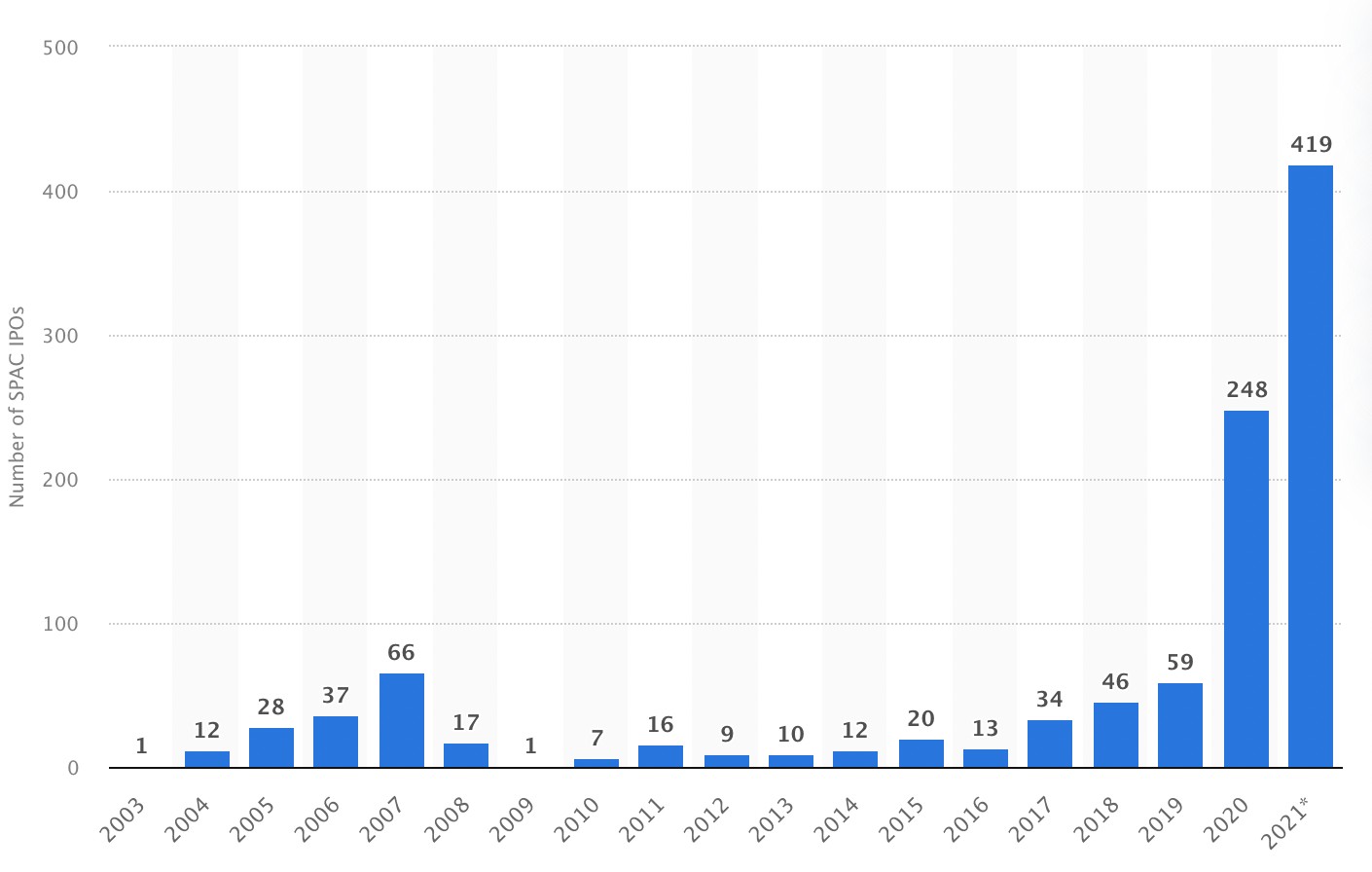 Aside from the sponsors, private investors, and the startups involved, public reaction to SPACs has largely been unfavorable. These polarized opinions echo the sentiments observed during the initial coin offering (ICO) boom of 2018.
Discussions surrounding the value – whether positive or negative – of the pandemic-era SPACs and their function as a liquidity mechanism have diverted attention from other significant efforts aimed at fostering greater long-term planning and market engagement.
The Long-Term Stock Exchange (LTSE) serves as a prime illustration of this trend.
In August of this year, Eric Ries’ LTSE welcomed its inaugural listings: Asana and Twilio. Firms choosing to list on this exchange are obligated to uphold its five core principles, designed to prioritize diversity, environmental and social responsibility, employee well-being, and a long-term investment perspective.
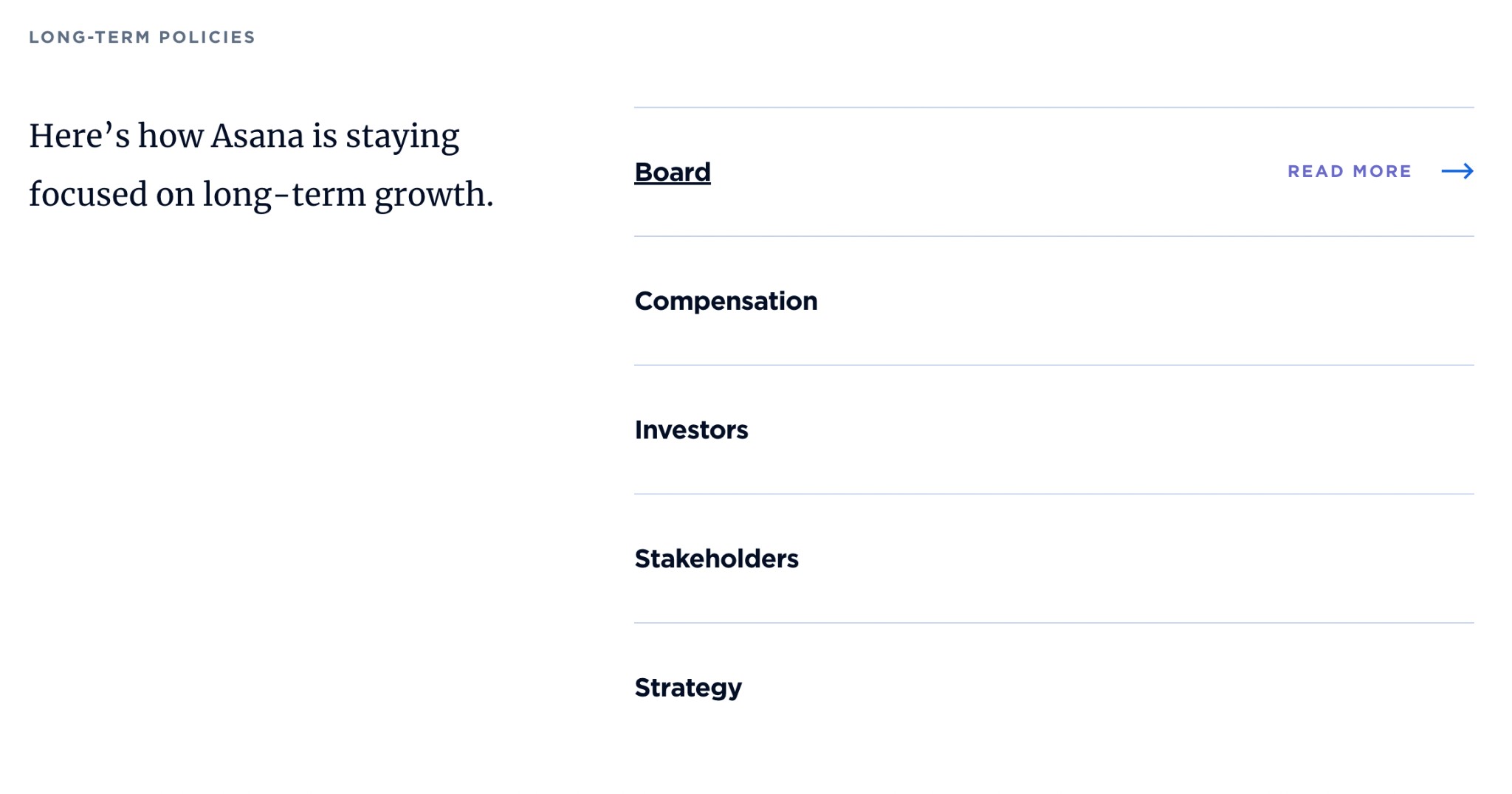
The LTSE places a strong emphasis on transparency. For example, a search for Asana information on the LTSE platform will initially present the company’s values, long-term principles, and key growth indicators.
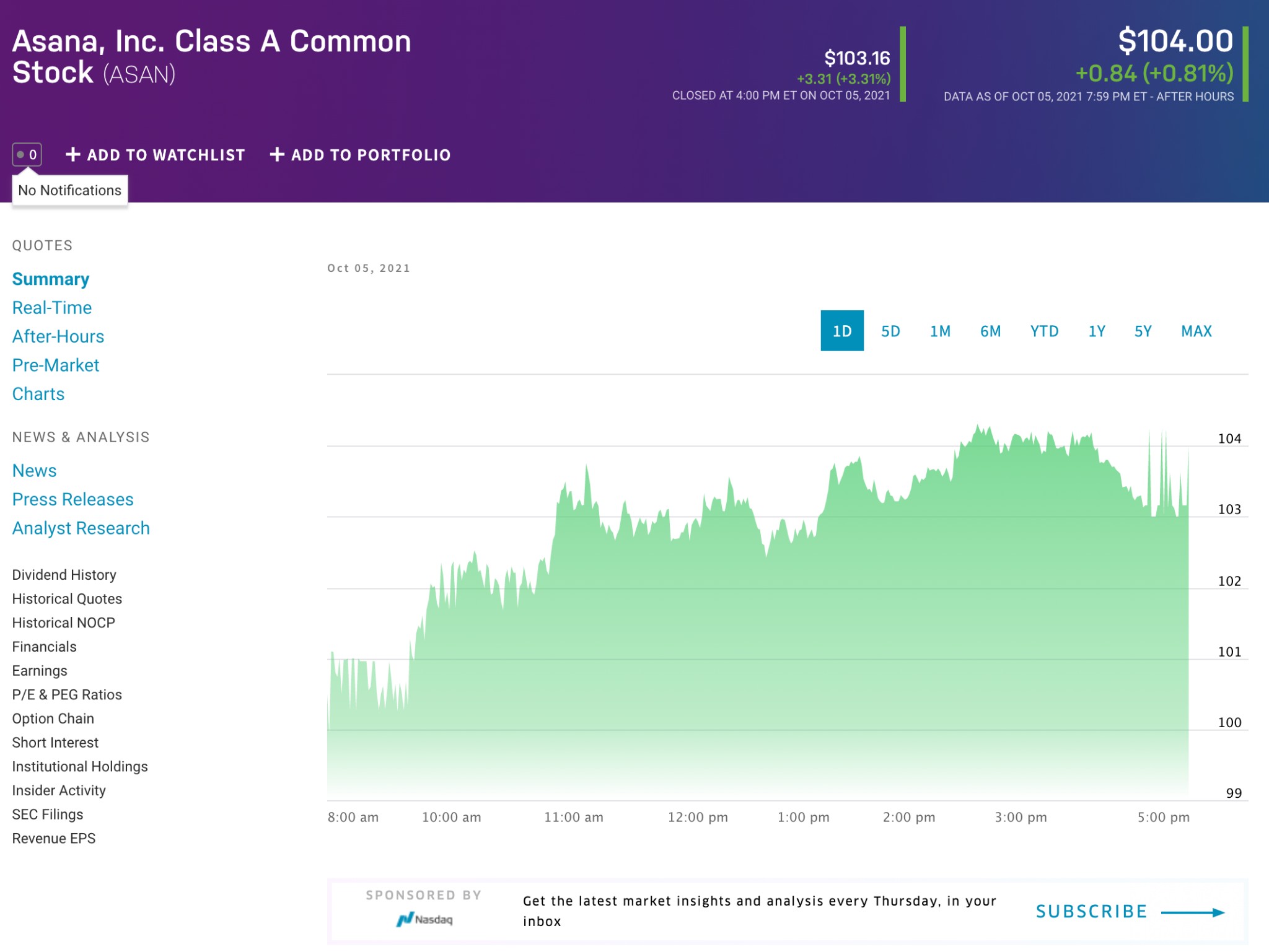
 Conversely, a search for Asana on the Nasdaq prioritizes price performance across different timeframes and offers options to subscribe to the exchange’s news feeds.
 The LTSE was not the sole exchange to launch during the pandemic. The Members Exchange (MEMX), supported by a coalition of financial institutions including JP Morgan and BlackRock, recently marked its first anniversary and has secured a 4% share of the market.
Furthermore, established exchanges like the Nasdaq have also made considerable progress. In December, the Nasdaq submitted a proposal to the SEC mandating that all listed companies maintain at least one diverse member on their board of directors. This rule received SEC approval in August.
Companies considering or pursuing an initial public offering now have a diverse range of options available. These exchanges differentiate themselves based on size, cost, and commitment to principles such as longevity, stability, diversity, and sustainability.
The questions of how, when, and with whom a company chooses to go public are now more critical than they were ten years ago. This evolving landscape mirrors the liquidity options and signaling mechanisms found in private markets, where a company’s partners communicate its fundamental nature to the broader market.
The Expanding Definition of Community in Modern Economics
The concept of community gained significant economic relevance during the recent pandemic. This period saw the emergence of “meme stocks” into mainstream discussion, forging unexpected alliances between individuals with differing political viewpoints.
While these events were noteworthy, particularly in relation to the principles of narrative economics, a parallel trend of community-based innovation emerged, focused on addressing existing inequalities in economic opportunity.
In Chicago, a collective of women proactively worked throughout the pandemic to secure funding, obtain regulatory approvals, and develop the technological infrastructure for First Women’s Bank. The bank launched operations just two weeks ago.
This new institution, operating from a physical location in Chicago, will concentrate on providing banking services and extending credit specifically to businesses owned by women.
The bank’s objective is to support companies negatively impacted by the COVID-19 pandemic and to rectify long-standing systemic challenges. As stated by Marianne Markowitz, President and CEO, “First Women’s Bank was deliberately established to tackle the disparity in gender-based lending.
We aim to deliver not only essential capital but also access to guidance, mentorship, valuable connections, and crucial resources.”
Innovations driven by community-led platforms extend beyond traditional banking. Some of the most substantial funding achievements during the pandemic were facilitated by novel funding ecosystems such as Republic.
Republic strives to broaden economic access to investment possibilities spanning startups, real estate, cryptocurrencies, and other asset classes.
Cere Network successfully raised $28 million within a half-hour on the platform, and Backstage Capital secured $5 million for its fund in a comparable timeframe. Cheryl Campos, Head of Venture Growth and Partnerships at Republic, emphasized their community-focused strategy.
“Our name reflects our commitment to continually democratizing access to capital, regardless of an individual’s background or location. This is achievable only through the engagement of like-minded individuals collaborating to support entrepreneurs and foster a more inclusive venture capital landscape.”
- First Women’s Bank focuses on women-owned businesses.
- Republic democratizes access to investment opportunities.
- Community-driven innovation addresses systemic economic issues.
Debt Remediation: A Path to Empowerment
The significant growth of buy now, pay later (BNPL) services – including companies like Affirm, Klarna, and Afterpay – has sparked debate regarding their potential to create unforeseen and substantial debt burdens for consumers. Their appeal to younger demographics, coupled with simplified credit assessments, could potentially worsen the existing debt situation.
In 2020, U.S. public debt surpassed 100% of the nation’s Gross Domestic Product, underscoring a concerning trend.
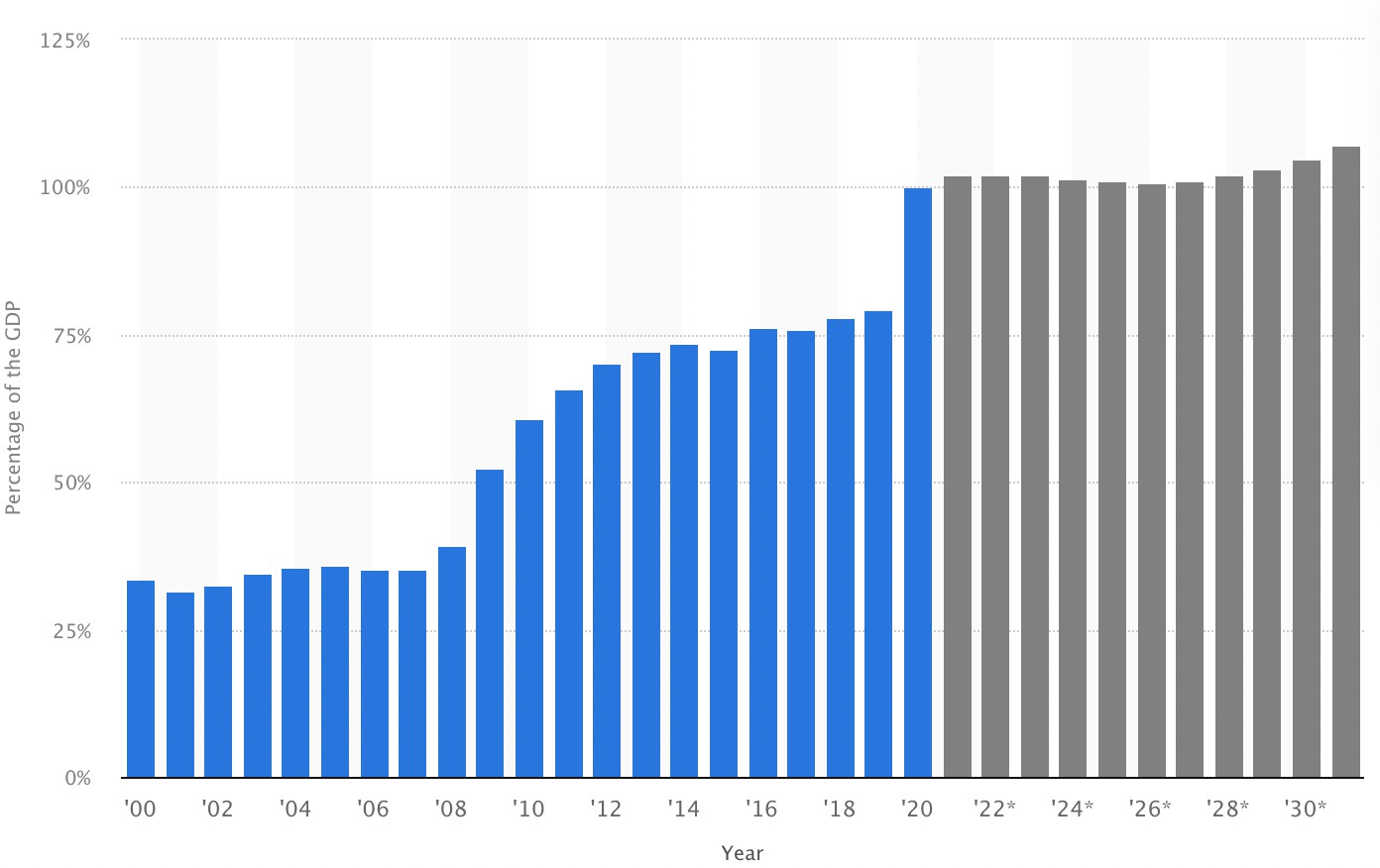 Consequently, greater focus may be warranted on resources designed to actively reduce debt. Upsolve utilizes technology, financial education, and skilled professionals to assist individuals in filing for bankruptcy and eliminating their debts.
Founded in 2016 as a 501(c)(3) nonprofit, Upsolve is available at no cost to users and has successfully discharged over $400 million in consumer debt.
A Different Approach to Impact
The operational model and achievements of Upsolve demonstrate that substantial venture capital and high company valuations are not prerequisites for creating significant, disruptive change.
Instead, the company’s expansion is supported by funding from Congressional programs, private philanthropic contributions, and revenue generated from attorneys providing pro bono counsel through the Upsolve platform.
The Rise of Venture Philanthropy
As awareness of Upsolve’s accomplishments grows, alongside the increasing availability of venture philanthropy to support impactful organizations, new initiatives aimed at addressing genuine societal challenges may experience reduced pressure to pursue "unicorn" status.
This shift suggests a growing recognition that meaningful impact can be achieved without solely prioritizing rapid growth and high valuations.
- Key Takeaway: Upsolve provides a free, technology-driven solution for debt relief through bankruptcy.
- BNPL Concerns: The rise of buy now, pay later services may contribute to increased consumer debt.
- Venture Philanthropy: Increased funding from philanthropic sources is enabling organizations to focus on impact over valuation.
Looking Ahead
Globally, progress hasn't consistently trended upwards during the pandemic. However, positive developments have emerged through innovation, subtly advancing areas like longevity, community building, and empowerment within both technology and financial sectors.
It is beneficial to encourage, support, and acknowledge purpose-driven organizations such as the Long-Term Stock Exchange (LTSE), First Women’s Bank, and Upsolve.
These ventures exemplify how impactful change frequently arises from understated initiatives.
The Rise of Mission-Driven Ventures
The LTSE represents a shift in focus towards long-term value creation. It prioritizes sustainable growth over short-term gains.
First Women’s Bank is dedicated to providing financial services to women-owned businesses. This addresses a historical gap in funding and support.
Upsolve leverages technology to simplify the bankruptcy process. It offers accessible legal assistance to those in need.
Impact and Future Outlook
These organizations, while operating with relative quietude, are generating significant positive effects. They are reshaping their respective fields.
Recognizing and fostering similar ventures is crucial for continued progress. A focus on societal benefit alongside financial returns is essential.
Related Posts

Databricks Raises $4B at $134B Valuation - AI Business Growth

Google Launches Managed MCP Servers for AI Agents

Cashew Research: AI-Powered Market Research | Disrupting the $90B Industry

Boom Supersonic Secures $300M for Natural Gas Turbines with Crusoe Data Centers

Microsoft to Invest $17.5B in India by 2029 - AI Expansion