Nissan Invests $17.6 Billion in EV Development | Automotive News
Nissan’s Extensive EV Investment: Ambition 2030
Nissan has announced a substantial investment of 2 trillion yen, equivalent to $17.6 billion, earmarked for the development of electric vehicles (EVs) and advanced battery technologies over the coming five years. This initiative is encapsulated within a comprehensive strategy known as “Ambition 2030.”
Future EV Lineup and Electrification Goals
The company intends to introduce a total of 15 new EV models by the year 2030. By that time, it is projected that electrified vehicles will constitute 50% of Nissan’s overall vehicle offerings.
Over the next eight years, Nissan plans to develop 23 electrified vehicles in total. A significant portion of this development, specifically 20 models, is scheduled to occur within the initial five-year period.
The automaker is targeting a market composition of 75% electrified vehicles – encompassing both EVs and e-Power PHEV/hybrids – in Europe by 2030. Similar goals are set for Japan at 55%, and for the US and China at 40%.
It is anticipated that internal combustion engine (ICE) vehicles will comprise the remaining portion of the vehicle mix. Nissan previously stated its intention to electrify all new vehicle launches by the early 2030s, suggesting that any remaining ICE models will be existing designs.
Battery Technology and Cost Reduction
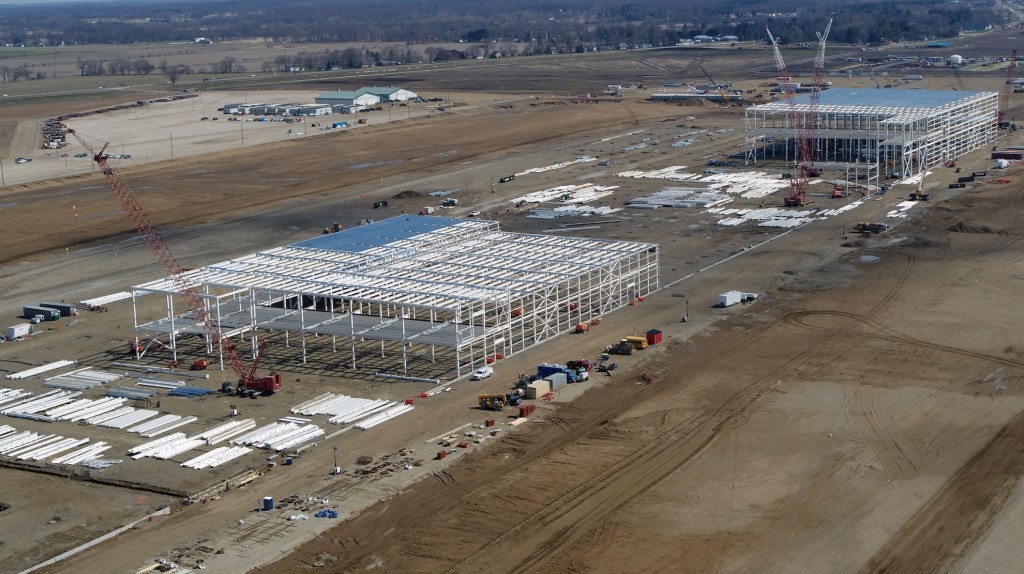
Nissan is committed to launching EVs equipped with all-solid-state batteries (ASSB) by 2028. A pilot plant in Yokohama is slated to be operational as early as 2024 to facilitate this technology. ASSB technology promises faster charging capabilities, though its widespread availability has faced delays.
The company also aims to significantly reduce battery pack costs, targeting $75 per kWh by 2028, with a further reduction to $65 per kWh planned for the future. This represents roughly half the cost of EV batteries as of last year, as reported by Bloomberg.
By 2030, Nissan anticipates an annual battery production capacity of 130 GWh.
Advancements in Driver Assistance Systems
Nissan intends to expand its ProPilot driver assistance technology to encompass over 2.5 million Nissan and Infiniti vehicles by 2026. Furthermore, next-generation LIDAR systems will be integrated into “virtually every new model” by fiscal year 2030.
Concept Vehicles Unveiled
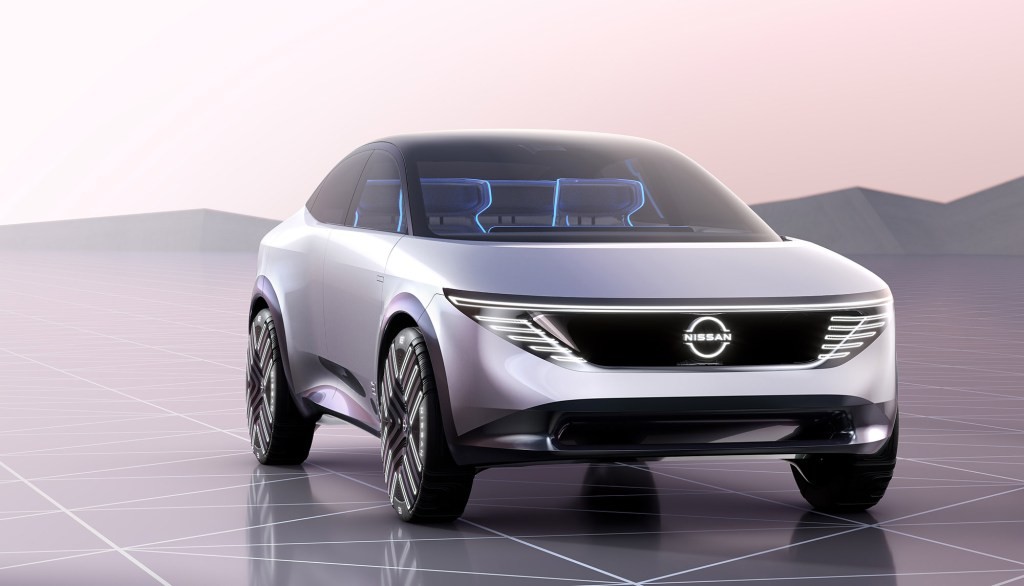
As part of the Ambition 2030 plan, Nissan showcased four concept vehicles: the Chill-Out, Surf-Out, Hang-Out, and Max-Out. These concepts are designed to preview future technologies, including autonomous driving features, innovative interior designs, and bold aesthetic approaches.
Exploring the Concept Designs
- Chill-Out: This compact crossover may offer a glimpse into the next-generation Leaf, transitioning from a hatchback to a crossover body style. It will utilize the Ariya’s CMF-EV platform and e-4orce all-wheel drive system, with a potential launch in 2025.
- Surf-Out: A small electric pickup truck featuring a single cab and a sizable bed with a removable canopy. It will incorporate a dual-motor AWD setup and offer various power outputs for off-road performance and utility.
- Hang-Out: Designed as a compact camper van/SUV, prioritizing a comfortable and versatile interior. It features a flat floor, movable seating, and aims to replicate the comfort of a living room while on the move.
- Max-Out: A convertible sports car concept focused on stability and comfort. It is engineered to minimize body roll, enhancing cornering and steering responsiveness.
Currently, only images of the Chill-Out have been released as a tangible vehicle, while the other three remain as renders.
Addressing Past Challenges
Nissan’s new strategic plan emerges as the company navigates internal challenges, including the repercussions of former CEO Carlos Ghosn’s arrest and subsequent departure. In the short term, the company aims to reduce fixed costs by 300 billion yen ($2.65 billion) and decrease production capacity by 20% as part of its previously announced “Nissan Next” plan.
Note: This article was originally published on Engadget.
Related Posts

Rivian Launches Universal Hands-Free Driving Feature

Rad Power Bikes Files for Bankruptcy, Seeking Sale
Tesla Deceptive Marketing: Autopilot and Full Self-Driving Ruling
Luminar's Volvo Deal and Bankruptcy: A Timeline
Slate EV Truck Reservations Top 150,000 Amidst Declining Interest