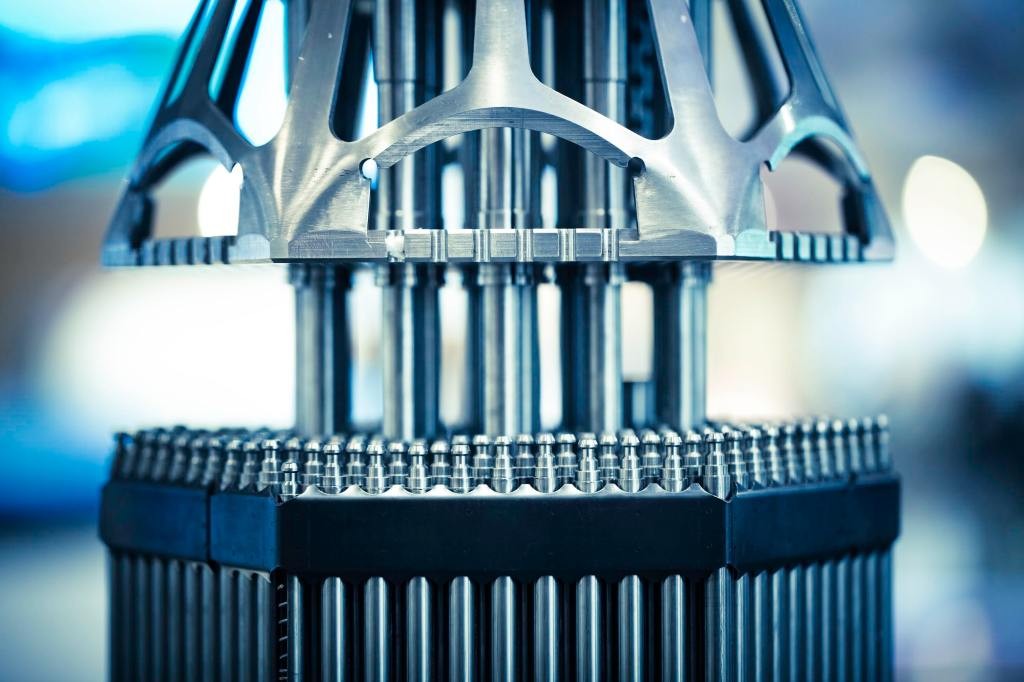
Relativity Space Announces Larger, Reusable Rocket Plans
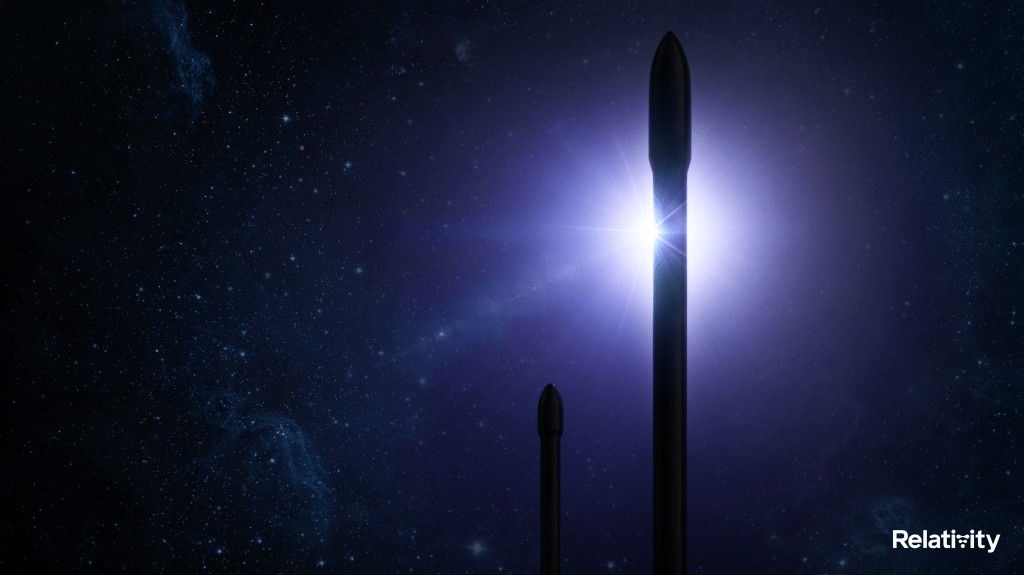
Relativity Space Unveils Terran R: A Fully Reusable Rocket
Relativity Space has recently announced its next venture following the Terran 1, a small launch vehicle anticipated to commence operations later this year. The forthcoming rocket, designated Terran R, represents a significant leap in capability, boasting approximately 20 times the payload capacity of its predecessor.
A New Era of Reusability
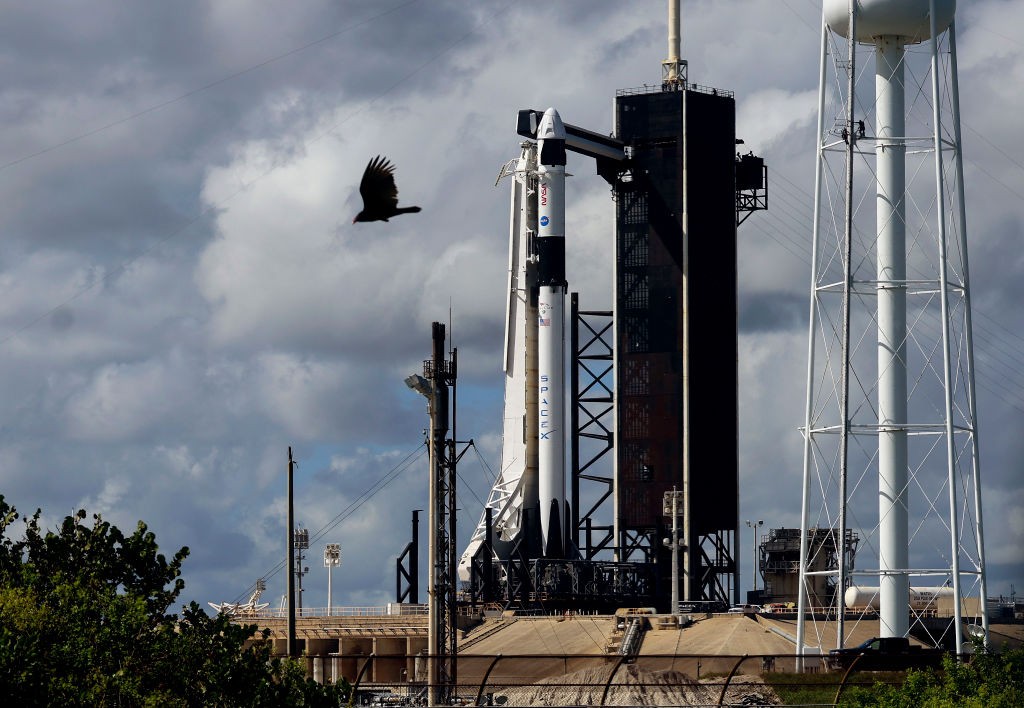
Unlike SpaceX’s Falcon 9, Terran R is engineered for full reusability, encompassing both its first and second stages. This innovative design distinguishes it from partially reusable systems currently in operation.
Tim Ellis, CEO and founder of Relativity Space, revealed that the concept of larger lift rockets has been integral to the company’s vision since its inception at Y Combinator.
Inspired by SpaceX and a Vision for Mars
“The initial inspiration stemmed from observing SpaceX’s achievements in launching and landing rockets, and the ambition of reaching Mars,” Ellis explained. “However, I felt that existing depictions of Martian colonization lacked a crucial element – the industrial infrastructure needed to sustain a long-term presence.”
He continued, “I believed that 3D printing would be a pivotal technology in establishing humanity’s industrial base on Mars, and that fostering a network of companies dedicated to this goal was essential.”
3D Printing as the Core Technology
The overarching objective for Relativity Space, according to Ellis, is to evolve into an “end-product 3D-printing company,” with Terran 1 serving as the initial product brought to market.
“3D printing represents a transformative technology for the aerospace industry, fundamentally altering processes that have remained largely unchanged for six decades,” he stated. “It introduces automation, eliminating the need for fixed factory tooling, extensive supply chains, manual labor, and protracted iteration cycles.”
Terran R: The Next Logical Advancement
Terran R, with a payload capacity exceeding 20,000 kg (over 44,000 lbs.) to low-Earth orbit, is considered the natural progression in Relativity’s long-term strategy of producing a diverse range of products, including aerospace components for terrestrial applications.
The demand for Terran 1, which has a maximum payload capacity of 1,250 kg (around 2,755 lbs.) to low-Earth orbit, coupled with the increasing size of modern satellites – many exceeding 500 kg (1,100 lbs.) – has underscored the need for a larger launch vehicle.
 Leveraging Existing Infrastructure
“The rocket utilizes the same fundamental architecture, propellant, factory, printers, avionics, and team that developed Terran 1,” Ellis clarified. This commonality facilitates a relatively streamlined production line setup for the new rocket.
Full Reusability: First and Second Stages
SpaceX’s Falcon 9 achieves reusability through its first stage, which detaches and performs a propulsive landing. However, the Falcon 9’s second stage is expendable.
While SpaceX explored second-stage reusability, the added mass required for heat shielding proved economically unfeasible.
Innovative Materials and Design
Ellis indicated that Terran R’s second-stage reusability will be enabled by the utilization of unique materials and design geometries made possible through 3D printing, alongside the application of generative design principles.
“The entirely 3D-printed nature of the rocket allows us to employ materials and designs that would be impossible to manufacture using traditional methods,” he explained. “This complexity is crucial for achieving a highly reusable rocket.”
A New Upper-Stage Engine
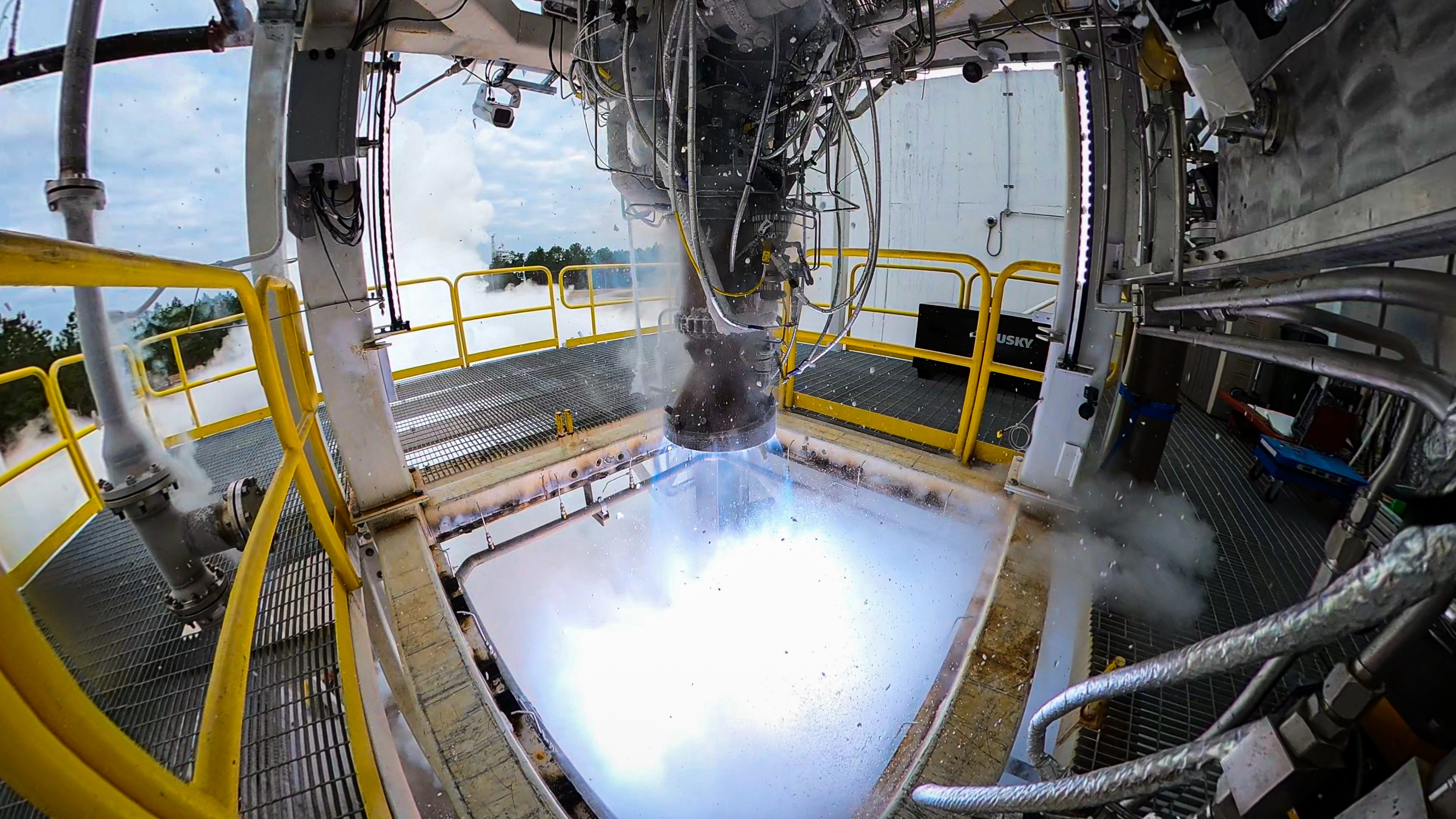
Terran R will incorporate a newly designed upper-stage engine, distinct from those used in Terran 1. This engine, also 3D-printed, features a copper thrust chamber designed to deliver enhanced power and thrust.
Relativity Space recently completed a successful full-duration test of this new engine, marking a significant milestone in its development.
Rapid Progress Anticipated
Ellis stated that the company will release further details about Terran R throughout the year. He also noted that the existing 3D printers and test facilities are already equipped to support the production and testing of the larger rocket.
“The primary adjustment will be software-based,” he added, suggesting a swift transition to the new launch vehicle.
Related Posts

Jared Isaacman Named Next NASA Administrator

Space-Based Solar Power: Beaming Energy to Earth

OSHA Investigates SpaceX Starbase Crane Accident
SpaceX IPO: Reportedly Planning 2026 Launch with $1.5T Valuation
SpaceX Valuation: Reportedly in Talks for $800B Sale