Wearable Power: Human Skin as an Energy Source - New Research
Power-Over-Skin: A New Approach to Battery-Free Devices
A novel technology called Power-Over-Skin, developed by researchers at Carnegie Mellon, is bringing the concept of battery-free devices closer to reality.
This innovative system enables electrical currents to be conducted through human skin.
The aim is to provide power for a range of applications, including medical devices and consumer electronics.
Potential Applications
Power-Over-Skin could potentially power devices such as blood sugar monitors and pacemakers.
Furthermore, it opens possibilities for powering everyday consumer wearables like smart glasses and fitness trackers.
Current Stage of Development
Researchers emphasize that the technology remains in its initial phases of development.
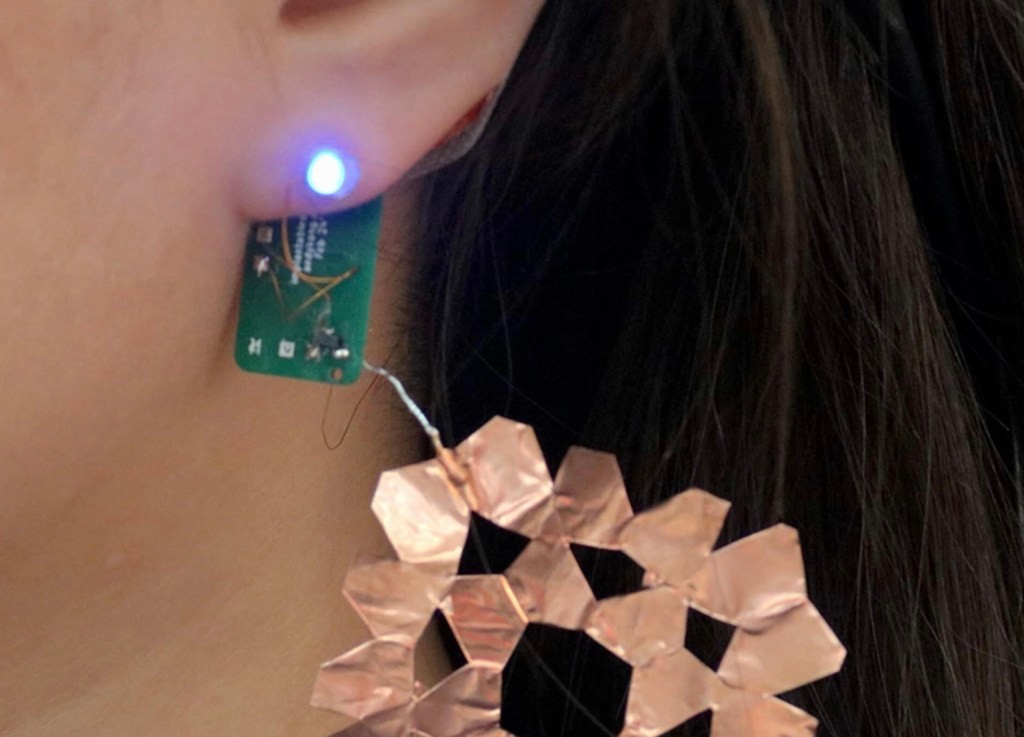
Currently, the system has been demonstrated successfully with low-power electronics, exemplified by an LED earring.
How it Works
According to CMU researcher Andy Kong, the principle behind Power-Over-Skin is analogous to radio transmission.
“Just as a radio utilizes air to transmit signals between a station and a receiver, we are leveraging body tissue as the transmission medium,” Kong explains.
Essentially, the human body acts as the conduit for electrical power.
This approach could significantly reduce or eliminate the need for batteries in certain devices.
Related Posts

LatAm Doctor Communication: Ex-Uber Eats Exec Raises $14M Seed

Chai Discovery Raises $130M Series B - AI Biotech Funding
Inito AI Antibodies: Expanding At-Home Fertility Testing

Brain Fitbit: Startup Tackles Chronic Stress with Wearable Tech

Max Hodak's New Venture: Beyond Neuralink