Reshape Energy: Driving Energy Upgrades in Commercial Real Estate
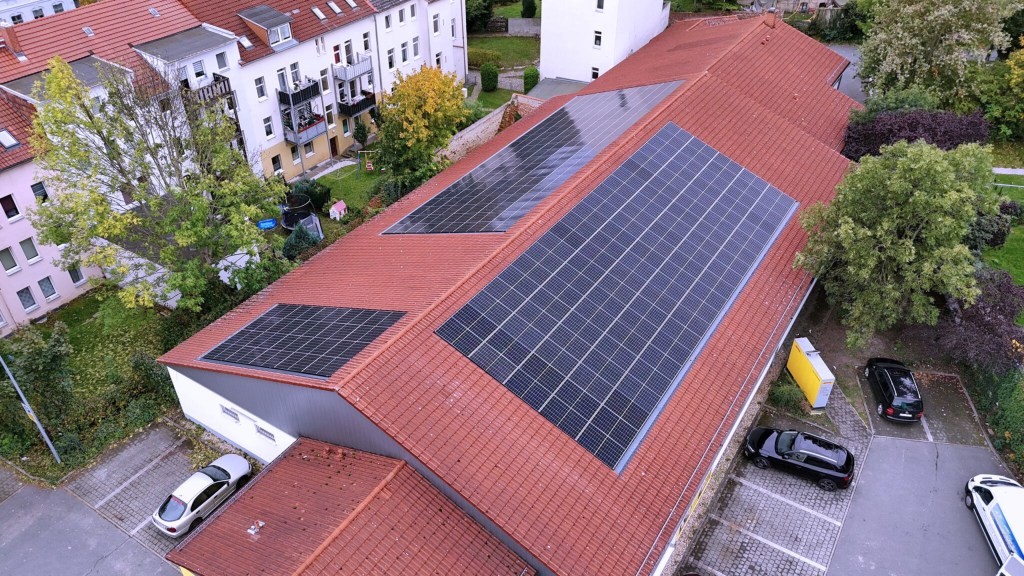
Reshape Energy: An Integrated Approach to Building Decarbonization
Reshape Energy is pioneering a holistic strategy to expedite the reduction of carbon emissions within the building sector. Established in Munich, Germany, in May 2024, the company is guided by a leadership team possessing extensive experience in the growth of energy-focused enterprises.
This team’s background includes key roles at Octopus Energy’s German operations and the energy comparison platform, Verivox. Their initial focus lies in offering comprehensive energy system enhancements to commercial real estate, specifically targeting owners managing multiple properties.
The Importance of Building Decarbonization
A substantial portion of global carbon emissions originates from heating buildings. Consequently, a swift transition to more sustainable heating methods, like heat pumps and solar panels, is crucial for achieving climate objectives.
Regulatory pressure is mounting across Europe, compelling building owners to implement energy-efficient upgrades. This is driven by the urgent need to address climate change and reduce the environmental impact of the built environment.
Addressing the Challenges of Energy Upgrades
However, securing the specialized expertise necessary for these energy upgrade projects can present a significant hurdle. Even simply determining the optimal improvements for a specific building can impede the adoption of low-carbon technologies.
The complexity of assessing building energy needs and implementing effective solutions often creates delays and discourages investment in sustainable infrastructure.
Reshape Energy’s Solution: A One-Stop Shop
Reshape Energy aims to alleviate these challenges by providing a comprehensive, end-to-end service. This “one-stop-shop” model is designed to streamline the process of building decarbonization.
The company is initially concentrating its efforts on the German market, but plans to extend its reach throughout Europe as its methodology proves successful and scales. Their goal is to become a leading provider of integrated energy solutions for commercial properties.
Here's a summary of the key benefits:
- Reduced friction in the energy upgrade process.
- Access to specialized expertise.
- Streamlined implementation of low-carbon solutions.
- Scalable approach for wider European adoption.
Addressing the Slow Adoption of Energy Efficiency Upgrades
A central question for the company’s founders was, “Why isn’t more progress being made?” This prompted them to develop a business model focused on energy upgrades for commercial buildings, as explained by co-founder and CFO Benjamin Stanzl in an interview with TechCrunch.
While significant progress has been observed in energy upgrades for single-family homes, the commercial real estate sector demonstrates considerably slower adoption rates, according to Stanzl. He identifies the primary obstacle to progress as simply maintaining the status quo.
The reasons for this sluggishness within the commercial sector are multifaceted. It isn't a single deficiency that a new technology could resolve; instead, it’s the intricate nature of coordinating the numerous components essential for successful project completion that hinders advancement.
Stanzl emphasizes the substantial complexity involved in executing these projects. Commercial property owners often lack the necessary expertise and, in some cases, actively avoid involvement due to its divergence from their primary business functions.
He further notes that the construction industry is fundamentally reliant on strong relationships and trust. Consequently, a lack of trust can significantly impede the speed of progress.
This startup is confronting this resistance to change through a strategic acquisition approach. By acquiring established companies within the sector, they integrate crucial skills and existing client relationships, bolstering their energy-optimization-as-a-service platform.
The goal is to manage every phase of a project, encompassing initial evaluations and needs assessment, system installation, and continuous servicing and maintenance. Financing options are also provided to help customers manage the initial investment costs.
By offering a comprehensive solution for energy upgrades, the company aims to achieve economies of scale and capitalize on established customer trust. This approach breaks down the traditionally fragmented workflows common in the industry, as Stanzl explains.
Currently, the startup has undertaken smaller, individual energy upgrade projects, leveraging the capabilities acquired through its acquisitions. However, the long-term vision involves expanding service offerings and tackling larger, more complex projects – such as district heating installations – as the business continues to grow.
Investment Boost for Reshape
Reshape has already strategically acquired several companies to broaden its service portfolio. Further acquisitions are planned, and a newly secured €5 million funding round – the company’s inaugural external investment – will be instrumental in facilitating these expansions.
The strategy of acquiring smaller, frequently regionally-focused businesses allows Reshape to accelerate customer acquisition. It also provides access to established relationships and a valuable network of contacts cultivated by these businesses over time, alongside the integration of specialized expertise for project execution.
This acquisition-focused approach also grants Reshape complete authority over the allocation and utilization of skills, according to Stanzl. These acquired entities have collectively served a substantial client base.
“These businesses have, throughout their history, provided services to hundreds, if not thousands of clients,” Stanzl points out, referencing the companies Reshape has integrated. To date, the acquisitions include an energy consultancy and a firm specializing in the planning, installation, and upkeep of commercial solar systems.
Centralized control is paramount, as seamless collaboration between these companies is essential. This necessitates the implementation of standardized systems and technologies, enabling Reshape to optimize project delivery through shared resources and risk management.
The company’s founders are personally invested in its success, contributing a portion of their own capital to the €5 million funding round, which is categorized as a seed investment. While acknowledging the potential benefits of venture funding, Stanzl suggests that alternative models, such as private equity, may be more suitable for Reshape’s long-term growth.
The investment round also saw participation from PostScriptum Ventures, Vireo Ventures, and several undisclosed experts within the industry.
Diverse Approaches to Energy Efficiency
Following Russia's invasion of Ukraine in 2022 and the subsequent surge in gas prices, Germany experienced a significant increase in energy upgrade startups. However, according to Stanzl, the initial surge in energy upgrade activity – largely centered on individual homes – has demonstrably subsided.
He notes that companies operating in this sector now have a greater impetus to collaborate and adopt a more integrated strategy for future upgrades. This collaborative approach facilitates the addressing of more intricate challenges, such as improvements to commercial properties.
“Installing a heat pump necessitates a thorough understanding of a building’s electrical infrastructure,” Stanzl explains. “Failure to assess this can lead to promised savings being negated by the need for costly transformer upgrades.”
He suggests that focusing solely on a narrow specialization is no longer sufficient for success in this evolving market.
Reshape’s business model, centered on providing energy optimization services to property owners, presents a more capital-efficient alternative compared to strategies involving the acquisition of properties for energy infrastructure modernization.
For instance, the German startup Reneo recently secured €600 million in funding to pursue a decarbonization strategy that includes purchasing properties for improvement. Conversely, while Reneo benefits from potential increases in real estate value through its ownership model, Reshape operates as a service provider with significantly lower startup capital requirements.
Stanzl recounts that during the company’s development phase, they considered property ownership, which would have entailed additional responsibilities like property and tenant management. Ultimately, they determined that this was not central to their core mission of facilitating the energy transition. He also highlights that many commercial property owners may be unwilling to sell their buildings, potentially hindering scalability.
Upgrading building insulation is frequently linked to energy transitions, as improved insulation can significantly enhance energy system performance. Stanzl acknowledges they can offer this service, but don’t actively pursue it, as it can increase project complexity.
The company has also made a definitive decision to avoid involvement in cosmetic building improvements.
“Our primary focus is energy,” he stresses. “We concentrate on the energy infrastructure and the energy performance of buildings, addressing questions like waste heat utilization and cooling load optimization, rather than wall insulation.”
A correction has been made to Benjamin Stanzl’s job title in this report.
Related Posts

Trump Media to Merge with Fusion Power Company TAE Technologies

Radiant Nuclear Secures $300M Funding for 1MW Reactor

Whole Foods to Implement Smart Waste Bins from Mill | 2027
Last Energy Raises $100M for Steel-Encased Micro Reactor

Everbloom AI Transforms Chicken Feathers into Cashmere