Space Industry Highlights of 2024
A New Era of Space Exploration
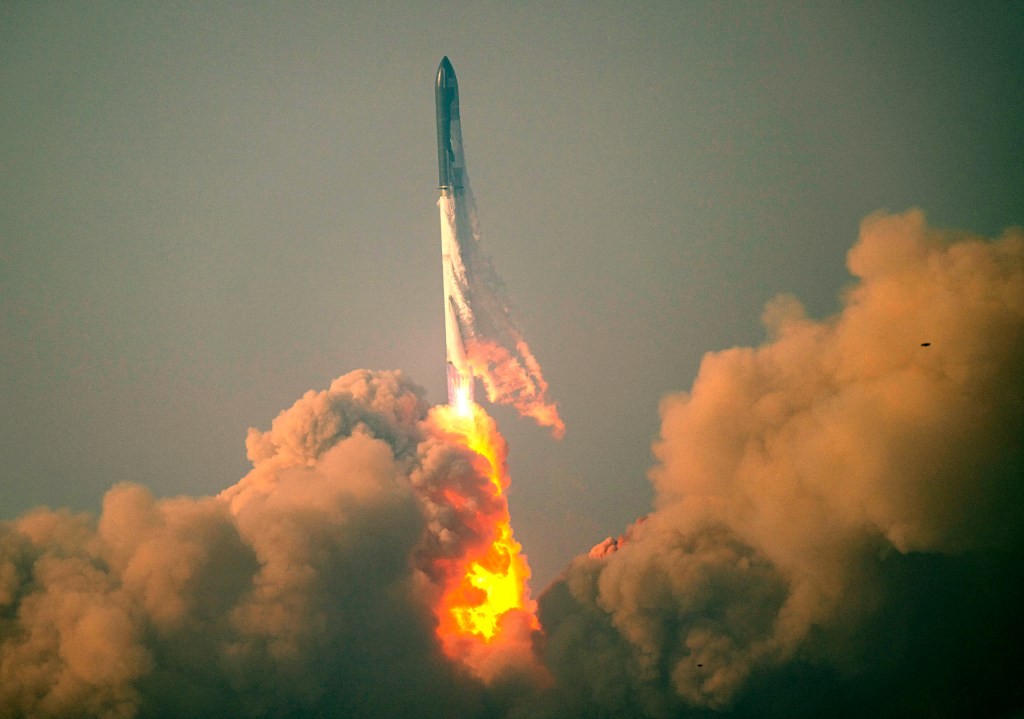
The field of space exploration is currently experiencing a renaissance. Recent events, such as SpaceX’s successful capture of the Super Heavy booster and the unprecedented number of lunar landing initiatives, demonstrate a period of significant advancement and bold undertakings.
Five Key Developments in Space This Year
This article will review five of the most impactful events and overarching trends that defined the space industry in the past year. While SpaceX features prominently, this reflects their current leadership position relative to other companies in the sector.
1. SpaceX’s Booster Catch
A major milestone was achieved with SpaceX’s successful mid-air capture of the Super Heavy booster. This feat represents a crucial step towards fully reusable launch systems.
Full reusability is vital for dramatically reducing the cost of space access. It allows for the recovery and refurbishment of expensive hardware, making space travel more sustainable and affordable.
2. The Surge in Lunar Missions
This year witnessed a remarkable increase in attempts to land spacecraft on the Moon. Several nations and private companies launched missions aimed at lunar exploration.
These missions, while not all successful, signify a renewed global interest in establishing a sustained presence on the Moon. They pave the way for future scientific research and potential resource utilization.
3. Continued Starship Development
SpaceX continued to make substantial progress in the development of its Starship launch vehicle. Despite challenges, numerous test flights were conducted, gathering valuable data.
Starship is designed to be a fully reusable, super heavy-lift launch system. Its ultimate goal is to enable large-scale space colonization and interplanetary travel.
4. Growth of the Private Space Sector
The private space industry continued its rapid expansion. Numerous companies are now actively involved in various aspects of space technology and services.
This growth is driven by innovation, investment, and a growing demand for space-based capabilities. It’s fostering competition and accelerating the pace of development.
5. Advancements in Space-Based Internet
Significant strides were made in the deployment and expansion of space-based internet constellations. Companies like SpaceX with Starlink are increasing global connectivity.
These constellations aim to provide high-speed internet access to underserved areas around the world. They have the potential to bridge the digital divide and enable new economic opportunities.
Boeing's Starliner Issues Benefit SpaceX
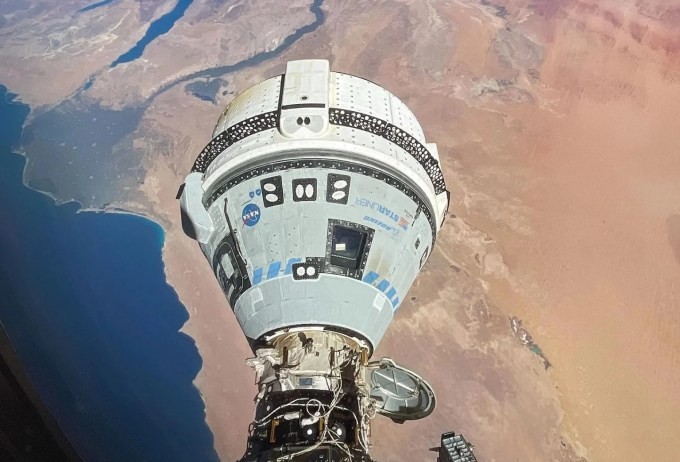
The initial crewed test mission of the Starliner vehicle, launched in June by NASA and Boeing, did not proceed as anticipated. Several technical issues arose during the spacecraft’s final approach to the International Space Station.
This prompted a comprehensive investigation spanning several months, primarily focused on the safety of the astronauts’ return journey. Concerns centered on whether the Starliner could reliably bring the crew back to Earth.
A Shift to SpaceX for Return
As a precautionary measure, NASA decided the astronauts would extend their stay on the ISS significantly. Their return would be facilitated by a SpaceX Dragon capsule, scheduled for the spring season.
This outcome represents a substantial setback for Boeing, which has already experienced approximately $1.6 billion in cost overruns during Starliner’s development. Further crewed test flights may be necessary before the vehicle achieves full certification for routine NASA missions.
Despite the challenges, the Starliner capsule successfully completed its landing.
 The situation highlights the competitive landscape in the space industry, with SpaceX positioned to capitalize on Boeing’s difficulties.
The incident underscores the rigorous safety standards and complex engineering involved in crewed spaceflight.
SpaceX Achieves First Successful Super Heavy Booster Catch
Significant advancements were made by SpaceX in its Starship program throughout 2024. The company conducted four launches of the massive Starship rocket, increasing the total number of launches to six since the program’s inception.
Notably, during the fifth flight test in October, the Super Heavy booster successfully returned to the launch complex. It was then secured by the launch tower’s mechanical arms – a pivotal moment in the program.
Booster Reuse: Falcon 9 vs. Super Heavy
SpaceX has already demonstrated proficiency in booster reuse with its Falcon 9 rocket. To date, the company has successfully recovered 367 Falcon 9 boosters.
These boosters utilize a landing system involving four autonomously deployed legs for touchdowns on land or specialized ships at sea. However, replicating this method for the considerably larger Super Heavy booster presents substantial challenges.
Consequently, SpaceX engineers devised an alternative recovery approach: the booster catch method.
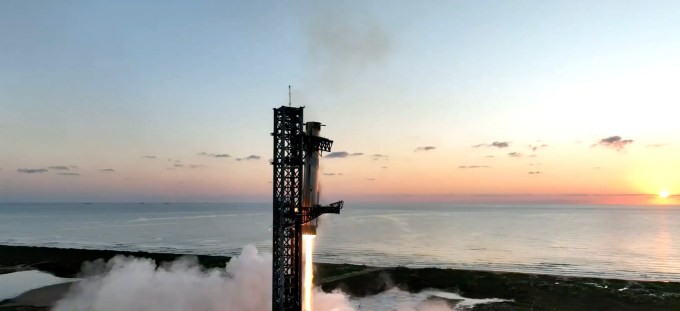 The November launch attempt included a planned second catch attempt, which was ultimately called off. This indicates that further refinement is necessary to achieve the desired launch and recovery frequency.
Despite this, the successful catch represents a landmark achievement in spaceflight history. It is widely considered a remarkable engineering accomplishment of the 21st century.
The development of this technology is crucial for SpaceX’s long-term goals of rapid and reusable access to space.
Polaris Dawn Mission Achieves First Private Spacewalk
Recent attention has focused on Jared Isaacman following his potential appointment as NASA administrator under President-elect Donald Trump. However, this year also saw Isaacman, the founder of Shift4 Payments, lead the Polaris Dawn mission, marking a significant milestone with the first-ever commercial spacewalk.
The Inherent Risks of Extravehicular Activity
Spacewalks, formally known as extravehicular activities (EVAs), present substantial hazards. Astronauts venturing outside their spacecraft face dangers including exposure to micrometeoroids and radiation.
Furthermore, their survival is entirely dependent on the reliable functioning of their spacesuits, which must deliver vital resources like oxygen and temperature regulation.
Polaris Dawn's Pioneering Spacewalk
Despite these risks, the Polaris Dawn crew, in collaboration with SpaceX, successfully undertook these challenges. Isaacman and SpaceX engineer Sarah Gillis each spent approximately 10 minutes outside the Dragon spacecraft.
During their time outside, the pair conducted a series of tests on the spacesuits developed by SpaceX. They remained connected to the Dragon via an umbilical cord, ensuring a continuous supply of life support.
These tests were crucial for evaluating the performance and reliability of the suits in a real space environment.
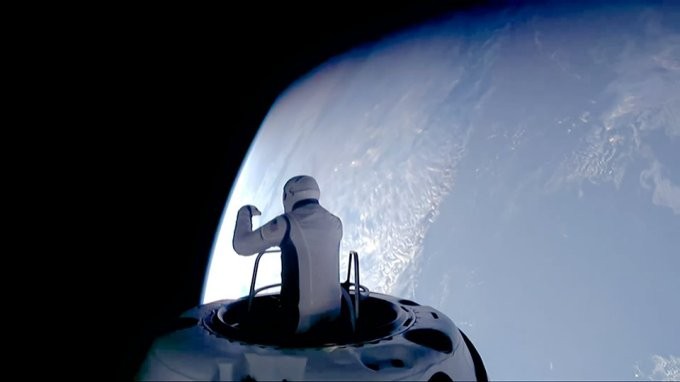 The Polaris Dawn mission represents a pivotal moment in the expansion of commercial space activities, demonstrating the growing capabilities of private companies in human spaceflight.
Lunar Ambitions: A Year of Multiple Moon Missions
Throughout the year, a diverse range of entities – including two private corporations and two national space programs – initiated lunar landing endeavors. Although the sheer volume of attempts doesn't represent a historical peak, the variety of participants is noteworthy. Japan, China, and a pair of American companies each pursued a successful lunar touchdown.
Varied Results from Recent Lunar Attempts
The results of these missions were quite diverse. Astrobotic, headquartered in Pittsburgh, was compelled to terminate its landing sequence approximately ten days after launch. Conversely, both Intuitive Machines and the Japan Aerospace Exploration Agency achieved surface contact, but neither spacecraft managed a stable, upright landing.
China’s Chang’e 6 mission stands out as the only unequivocally successful undertaking. This mission not only achieved a landing but also successfully collected and returned samples from the lunar far side.
A Growing Field of Lunar Exploration
- Astrobotic: Mission aborted during flight.
- Intuitive Machines: Landed, but not upright.
- JAXA (Japan): Landed, but not upright.
- China (Chang’e 6): Successful landing and sample return.
The increasing number of organizations targeting the moon signifies a growing interest in lunar exploration and resource utilization. These missions, despite their mixed outcomes, represent significant steps towards establishing a sustained presence on the lunar surface.
Financial Allocations within the Space Force
It is essential to acknowledge the Department of Defense as a primary driver within the space industry, given its substantial influence on spending and strategic direction. This year, the Space Force demonstrated a commitment to utilizing commercial services through the awarding of significant contracts.
These financial commitments indicate a willingness to invest heavily in commercial companies capable of meeting its requirements. Several key agreements were finalized, impacting multiple players in the sector.
Notable Contract Awards
SpaceX secured a contract valued at $733 million for eight launch services. This represents a major investment in established launch capabilities.
Rocket Lab was awarded a $515 million contract to manufacture and deploy 18 satellites. This highlights the growing demand for small satellite constellations.
Defense technology firm Anduril received multiple contracts focused on surveillance technologies and related services. These awards demonstrate the Space Force’s interest in innovative defense solutions.
Furthermore, contracts were issued to True Anomaly, Impulse Space, and again to Rocket Lab, specifically for “rapid response” capabilities. These agreements prioritize agility and quick deployment in space operations.
Related Posts
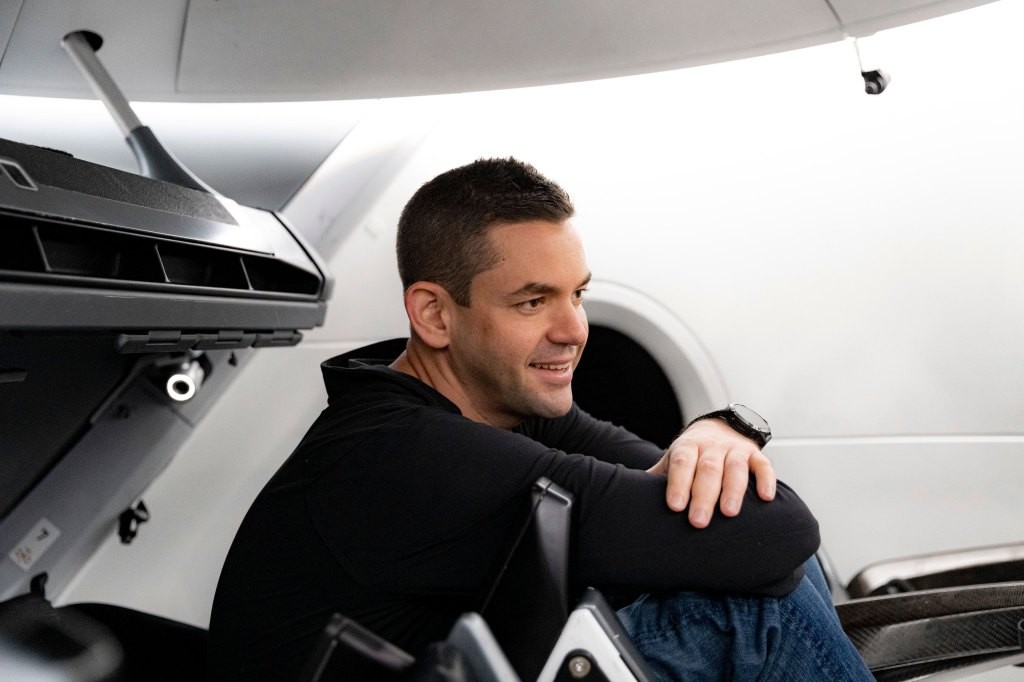
Jared Isaacman Named Next NASA Administrator

Space-Based Solar Power: Beaming Energy to Earth

OSHA Investigates SpaceX Starbase Crane Accident
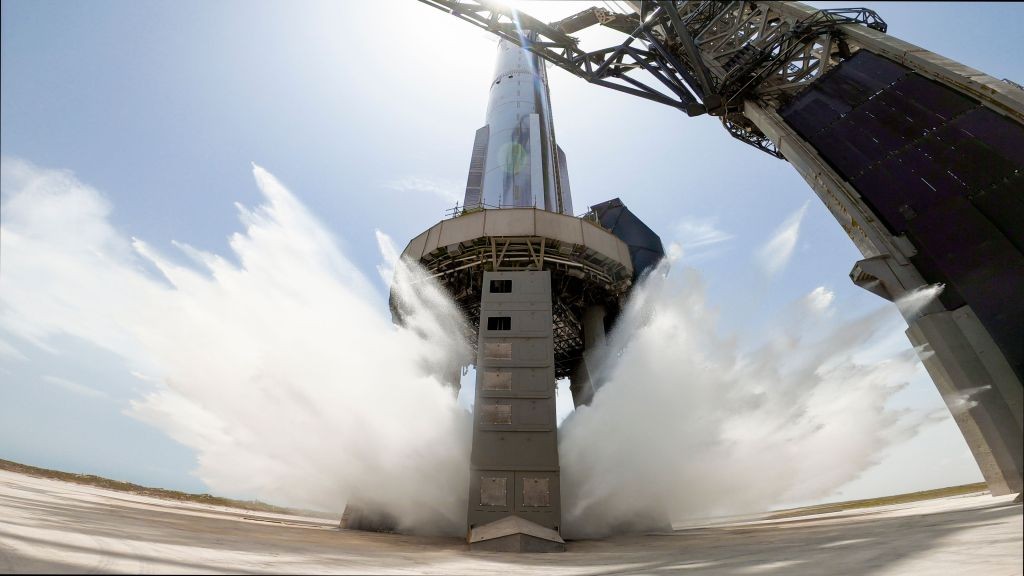
SpaceX IPO: Reportedly Planning 2026 Launch with $1.5T Valuation
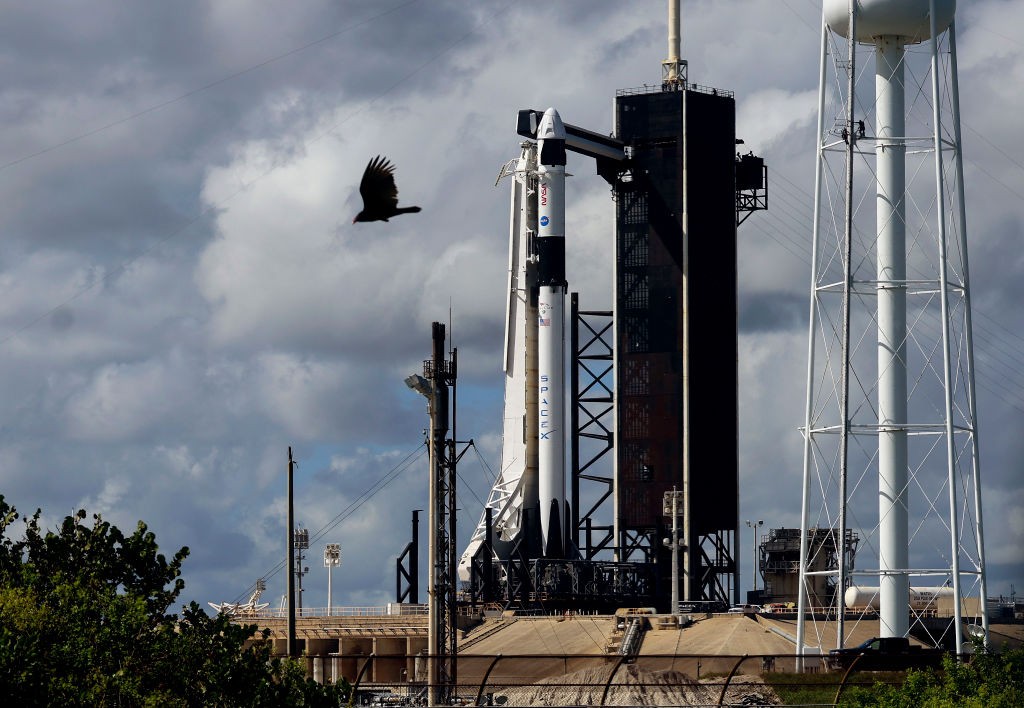
SpaceX Valuation: Reportedly in Talks for $800B Sale