Sam Altman OpenAI Ousting: Latest News & Impact
A New Play Explores the OpenAI Turmoil
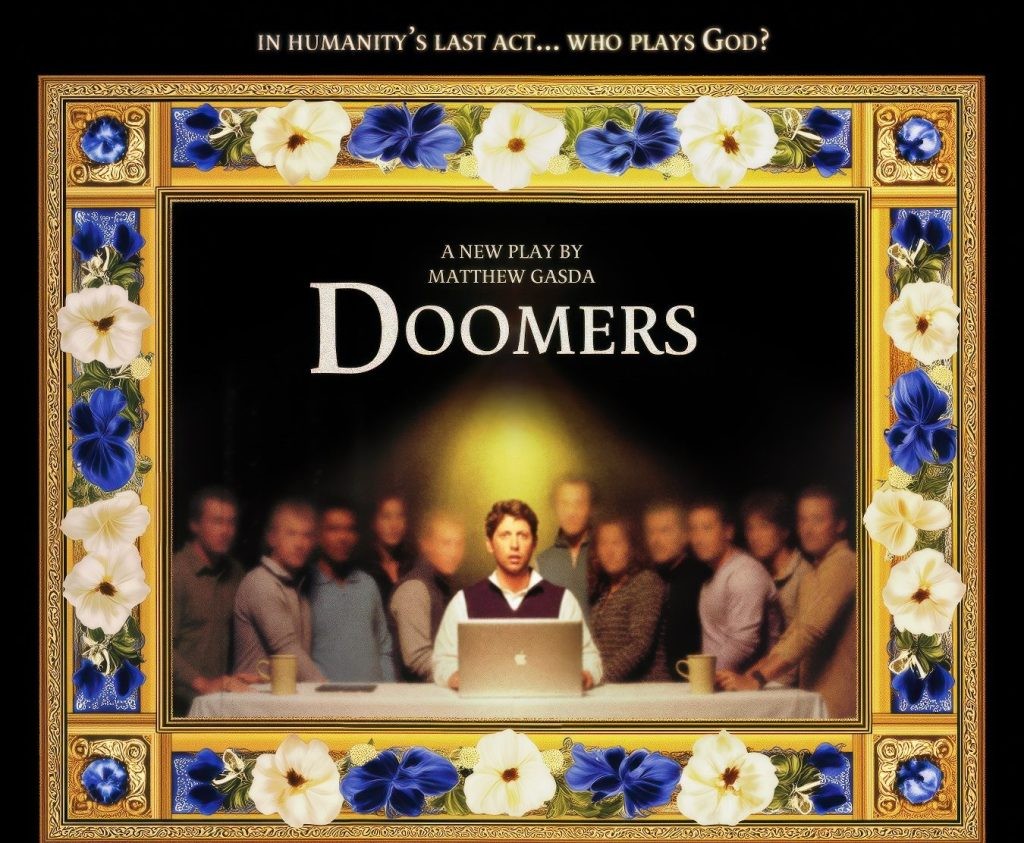
The atmosphere shifted as five performers assumed their roles around a table, transforming a New York City art gallery into a temporary theater. An intimate setting, filled with members of the media, awaited the debut of “Doomers,” a new play by Matthew Gasda. The work draws inspiration from the events surrounding Sam Altman’s removal as CEO of OpenAI in November 2023.
Fictionalizing a Real-World Event
Gasda’s play presents a fictionalized account of the circumstances following Ilya Sutskever, OpenAI’s co-founder and former chief scientist, informing Altman of his dismissal. This decision stemmed from the board’s concerns regarding the CEO’s approach to AI safety and allegations of problematic conduct.
While the play demonstrates significant research into the events, Gasda clarified to TechCrunch that his intention wasn’t to create a factual record. Instead, he aimed to utilize the situation as a lens through which to examine broader philosophical questions concerning AI alignment and safety.
Echoes of Past Innovations
Throughout history, humanity has crafted narratives around groundbreaking inventions and their potential risks. Similar to the myths of Prometheus and Oppenheimer, the allure of innovation proves irresistible. Now, with Gasda’s play, the arts are contributing to the ongoing discussion about the implications of rapid technological advancement, solidifying technology’s place in contemporary culture.
The Role of the Arts
“The humanities and the arts offer a unique perspective on these issues,” Gasda explained to TechCrunch. “We may lack financial or technological power, but we possess the authority to represent this world alongside anyone else.”
A Fictionalized Company and CEO
In “Doomers,” the company is reimagined as MindMesh, and the CEO, a character named Seth, is portrayed as self-centered and immature.
Exploring the Core Conflicts
The play’s first act unfolds in Seth’s “war room,” where he and his inner circle debate the board’s decision, strategize their next moves, and question the CEO’s relentless pursuit of transformative technology. The second act shifts to MindMesh’s boardroom, revealing the anxieties of its members. These include fears of retaliation from Seth and the possibility of being overtaken by a rival intelligence.
At the heart of the play lies a tension mirroring the global debate today: the potential dangers of artificial intelligence versus its potential benefits.
Existential Stakes
The central conflict presented in the play reflects a global concern – the potential for existential threat posed by AI, weighed against its potential for positive change.
A Playwright’s Take on the OpenAI Turmoil
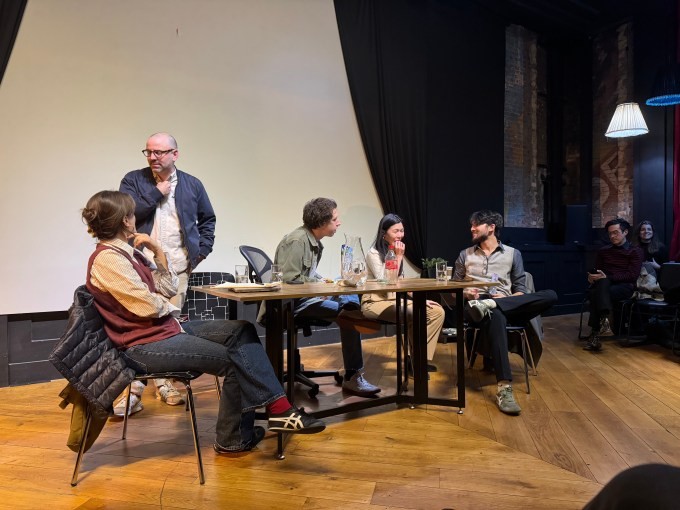 Playwright Will Gasda completed 35 drafts of his new work, initially previewing it to audiences in August. Following further development in San Francisco, fueled by numerous Celsius beverages during writing sessions, the play, titled “Doomers,” is now set to premiere in New York this weekend, with a subsequent run scheduled in San Francisco in March.
Exploring Character and Psychology
Gasda, previously recognized for his work on “Dimes Square” and “Zoomers,” explained his intention was to delve into the archetypes of characters and the psychological dynamics of a group seemingly averse to introspection.
The production features a cast of ten, with half of the characters inspired by real individuals. These include Sam Altman, the CEO of OpenAI; Mira Murati, the former chief technologist; and Greg Brockman, co-founder and president of the company.
Real-Life Figures as Inspiration
Notably, Mira Murati briefly assumed the role of interim CEO during the recent leadership changes before departing in September 2024 to launch her own venture.
The play also draws inspiration from Helen Toner and Adam D’Angelo, former board members who participated in the decision to remove Altman from his position. Furthermore, the character of Eliezer Yudkowsky, a researcher advocating for OpenAI’s closure due to existential risks, is represented.
Fictionalized Elements and Authenticity
Gasda stated that the character based on Sam Altman, named Seth, is perhaps the most faithful representation. However, he also incorporated fictionalized portrayals of individuals recognizable within the Bay Area tech scene.
These include a venture capitalist with a cynical view of AI’s potential, focusing on adult content; a recently established Gen Z millionaire founder; and a highly confident lawyer from Stanford University.
Maintaining Realism and Engagement
“My goal was to achieve a level of authenticity that would make the play both challenging and relatable,” Gasda commented. “I wanted to ensure the characters felt genuine enough to resonate with those familiar with the events or the environment of an AI company boardroom.” He confirmed that a copy of the play was sent to Altman prior to its premiere.
Central Debates in AI Development
The play centers around critical questions regarding the future of artificial intelligence: Should development be accelerated to achieve a competitive advantage? Should it be slowed to prioritize safety and alignment? Or should it be halted entirely to safeguard humanity?
These debates serve to highlight the core characteristics of each character. Seth, mirroring Altman’s perspective, consistently prioritizes success over ethical considerations.
The Pursuit of Progress
He emphatically asserts that the board dismissed him “for creating miracles,” and contends that focusing on alignment represents a misallocation of valuable resources. He posits that striving for excellence is inherent to human nature, and describes MindMesh as America’s “immune system”—a benevolent AGI designed to protect against potentially harmful AI developments.
“The only viable course of action is to surpass and out-innovate our competitors,” Seth declares. Characters modeled after Mira Murati and Greg Brockman generally support Seth’s viewpoint, even in the face of his criticisms, advocating for an AI-driven utopia characterized by medical advancements and space exploration.
Alina, representing the perspective of a safety ethicist, counters this vision, stating, “You present it as if it were a genie granting wishes.”
Humor and Silicon Valley Culture
Gasda infuses “Doomers” with dry humor, balancing the intensity of the subject matter. He also incorporates subtle observations of Silicon Valley culture, adding layers of nuance.
References to polyamorous relationships and ketamine use appear multiple times, and a scene depicts characters casually consuming psilocybin mushrooms. The play also mentions Waymo’s robotaxis, and a character remarks on the growing trend of “Cali-sober” lifestyles, expressing a need for alcoholic beverages despite the prevailing abstinence.
Concerns Regarding AI Safety Persist
The incidents portrayed within the play unfolded nearly fifteen months prior, yet the discourse surrounding artificial intelligence has already evolved. The competitive drive for leadership in the field is currently exceeding considerations of safety.
Sam Altman was swiftly reinstated as CEO following a threat of mass resignation from OpenAI engineers. A revised board, supportive of OpenAI’s transition to a for-profit model, has since been established under his leadership. Both Ilya Sutskever and Jan Leike, formerly co-leading OpenAI’s now-disbanded superalignment team, have since left the organization.
This personnel shift has not negatively impacted OpenAI’s trajectory.
Reports indicate the company is securing $40 billion in funding, potentially reaching a valuation of $340 billion. Simultaneously, former President Donald Trump has pledged to shield AI from regulatory oversight amidst escalating competition with China and the emergence of new rivals, such as DeepSeek. Essentially, the pace of AI innovation is accelerating, mirroring the desires of the character Seth. The central question remains: is this accelerated development beneficial?
As Alina, the ethicist in the play, articulates, “Constructing a god is a flawed endeavor, as it reflects our own imperfections.”
The Shifting Landscape of AI Development
The rapid advancements in artificial intelligence are occurring alongside a decrease in prominent voices advocating for caution.
Key figures who previously voiced concerns regarding the potential risks associated with AI labs have departed from their positions. This exodus raises questions about the prioritization of safety measures within the industry.
Financial and Political Implications
The substantial funding round being pursued by OpenAI demonstrates significant investor confidence in the company’s future.
Furthermore, the political climate, with promises of deregulation, suggests a willingness to prioritize innovation over stringent safety protocols. This creates a dynamic where the pursuit of technological advancement may overshadow potential risks.
Ethical Considerations
The play’s dialogue highlights the inherent ethical challenges of creating advanced AI.
The notion that AI, as a creation of humanity, will inevitably reflect our own flaws and biases is a central theme. This underscores the importance of careful consideration and responsible development practices.
Related Posts

ChatGPT Launches App Store for Developers

Pickle Robot Appoints Tesla Veteran as First CFO

Peripheral Labs: Self-Driving Car Sensors Enhance Sports Fan Experience

Luma AI: Generate Videos from Start and End Frames

Alexa+ Adds AI to Ring Doorbells - Amazon's New Feature