Section 230 Under Threat: Bill Links Liability Shield to $2,000 Checks
The technology sector found itself unexpectedly involved in a political dispute this week as President Trump signaled his approval of a bipartisan pandemic relief package, while simultaneously advocating for direct payments of $2,000 to individuals – a provision opposed by members of his own party during initial discussions.
Through social media posts and public statements, the President connected the increased relief payments to his separate request for the revocation of Section 230 of the Communications Decency Act, a significant, though previously little-known, law that shields internet service providers from legal responsibility for content posted by their users.
The political landscape became even more complex when Republican candidates in Georgia’s crucial runoff elections aligned themselves with President Trump’s stance on the additional checks, diverging from the majority of their Republican colleagues in Congress.
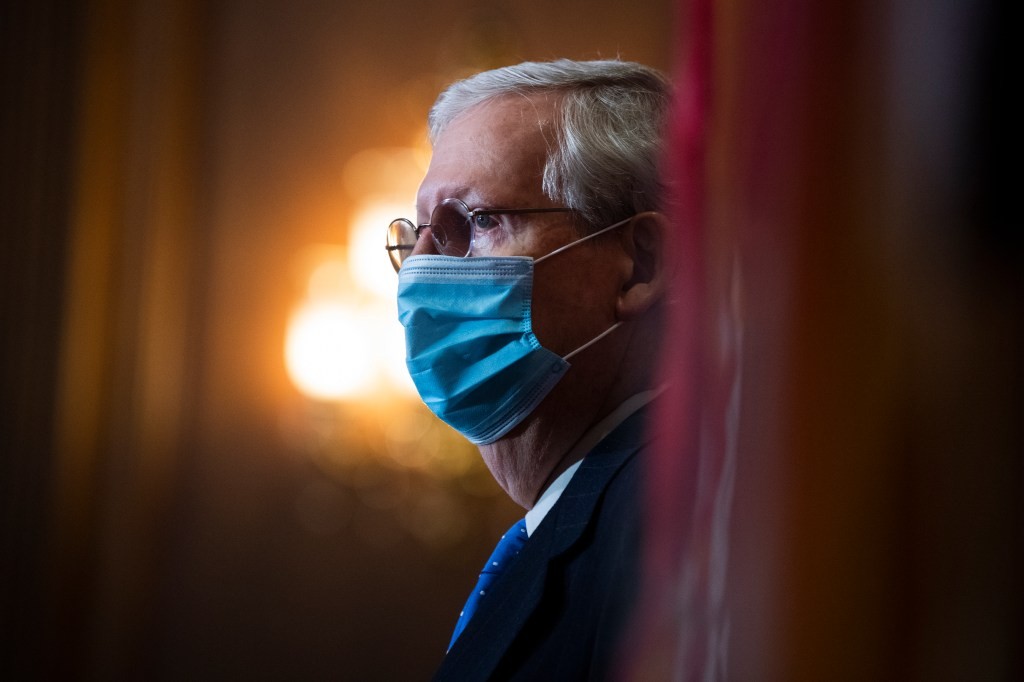
In a strategic move designed more for political positioning than genuine tech regulation, Senate Majority Leader Mitch McConnell presented a new bill on Tuesday evening that would link the $2,000 payments – previously blocked by Republicans – to a complete repeal of Section 230, a measure widely expected to fail in Congress.
McConnell’s bill aims to accommodate the President’s diverse set of demands while simultaneously allowing his party to project a semblance of unity amidst the Georgia election context. The proposal also includes a study regarding voter fraud, included not for its relevance, but because it is a priority for the President.
Throughout 2020, President Trump has consistently revisited the idea of eliminating Section 230 protections, using it as a tool against technology companies, particularly Twitter, when the platform’s policies lead to his posts being flagged or receiving warning labels.
If this latest turn of events appears confusing, it is because the issues of Section 230 and the stimulus legislation are entirely unrelated. Furthermore, Section 230 was recently the subject of debate in connection with another separate piece of legislation, the National Defense Authorization Act (NDAA), a large annual defense spending bill.
Last week, President Trump vetoed the NDAA, which had garnered broad bipartisan support due to its funding of the military and other generally accepted provisions, citing the bill’s failure to include his unrelated demand to remove Section 230 protections for tech companies. This action was unexpected, but it created an opportunity for Democrats to utilize their majority to override the President’s veto and advance their own priorities, specifically the $2,000 stimulus checks. Senator Bernie Sanders is currently pursuing this strategy.
However, McConnell’s current approach appears largely motivated by political calculation, potentially harming Americans facing financial hardship. A full repeal of Section 230 lacks significant support from Democrats. While some Republicans closely aligned with President Trump have considered removing the legal shield from online platforms, a more moderate approach involving reform is the more likely outcome in 2021.
For legislators who recognize the broad implications of the law, reform, rather than outright repeal, has always been the more probable resolution. Should Section 230 be repealed as a result of these recent events – an unlikely scenario – many websites, applications, and online services would face significant disruption. Without the liability protections afforded by Section 230, websites ranging from Yelp to Fox News would be legally accountable for all user-generated content, including reviews and comments. The elimination of comment sections might seem inconsequential, but consider the impact on an internet without Amazon reviews, tweets, and other features of the social web.
However, this outcome is improbable. McConnell is unlikely to support the additional $2,000 checks, and Democrats are unwilling to secure funding by agreeing to a last-minute, unrelated proposal to overhaul internet regulations, especially given the increasing scrutiny of tech companies and ongoing efforts toward meaningful Section 230 reform. Furthermore, the proposed bill is not even guaranteed a vote before the end of the current Congressional session.
Ultimately, McConnell will likely appease the President with a symbolic gesture, Democrats may appear inconsistent in their support for needed stimulus funds, and Americans struggling through a severe health and economic crisis will likely not receive additional financial assistance. This is a disappointing prospect.