Smartphone Sales Decline: Chip Shortages Impact Market

Global Smartphone Sales Decline Amidst Chip Shortage
Recent data from Canalys indicates a 6% decrease in global smartphone sales for the current quarter. This downturn isn't attributed to diminished consumer interest, but rather to the ongoing worldwide chip shortage.
Supply Chain Disruptions
The COVID-19 pandemic has significantly disrupted global supply chains, with the availability of chips being particularly affected. Ben Stanton, a principal analyst at Canalys, notes that manufacturers are striving to maintain production levels, but the chip shortage presents a substantial obstacle.
According to Stanton, chipset manufacturers are increasing prices to discourage excessive ordering, aiming to balance supply and demand. However, these shortages are not expected to resolve until well into 2022.
Market Performance This Quarter
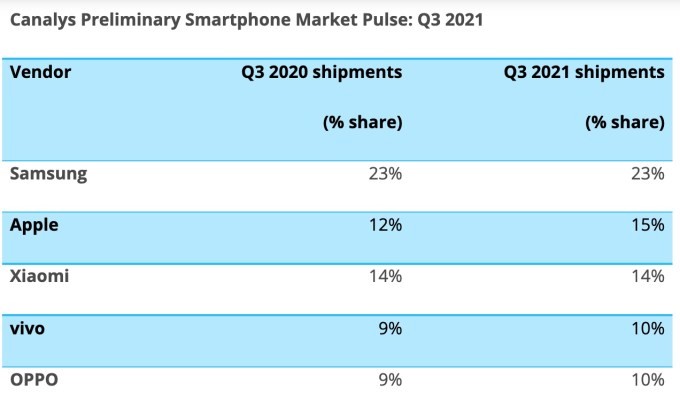
Despite the supply chain challenges, the leading smartphone vendors have largely maintained their market positions. Samsung retained its top spot with a 23% market share, consistent with the previous year.
Apple experienced a 3 percentage point increase in sales, reaching 15% of the market this quarter. Xiaomi remained in third place, holding steady at 14% year-over-year.
 Impact on the Holiday Season
The current situation raises concerns for manufacturers, especially as the peak holiday shopping season approaches. Apple launched the iPhone 13 in late September, outside the scope of this quarter’s report, but strategically timed for the holiday period.
The chip shortage could potentially hinder Apple’s plans, even though both Samsung and Apple produce their own chipsets. Both companies are still affected by the broader component scarcity.
Pricing and Incentives
As a consequence of rising manufacturing costs, Stanton predicts that significant price reductions on smartphones are unlikely this year. He suggests that manufacturers may instead focus on bundling phones with other devices, such as wearables and IoT products, to incentivize purchases.
He states that brands facing margin constraints should explore bundling strategies to provide attractive offers to customers, mitigating potential disappointment due to limited discounting.
Potential for Prolonged Shortage
Recent reports from CNBC indicate that the consumer chip shortage may last even longer than anticipated. Jia Shaoqian, president of Hisense, suggests the shortage could persist for two to three years, impacting not only smartphones but also home appliances and other consumer goods.
This extended timeframe highlights the severity and widespread impact of the chip shortage on the global technology market.
Related Posts

Peripheral Labs: Self-Driving Car Sensors Enhance Sports Fan Experience

YouTube Disputes Billboard Music Charts Data Usage

Oscars to Stream Exclusively on YouTube Starting in 2029

Warner Bros. Discovery Rejects Paramount Bid, Calls Offer 'Illusory'

WikiFlix: Netflix as it Might Have Been in 1923