Sunnova Faces Financial Trouble: 'Going Concern' Warning Issued
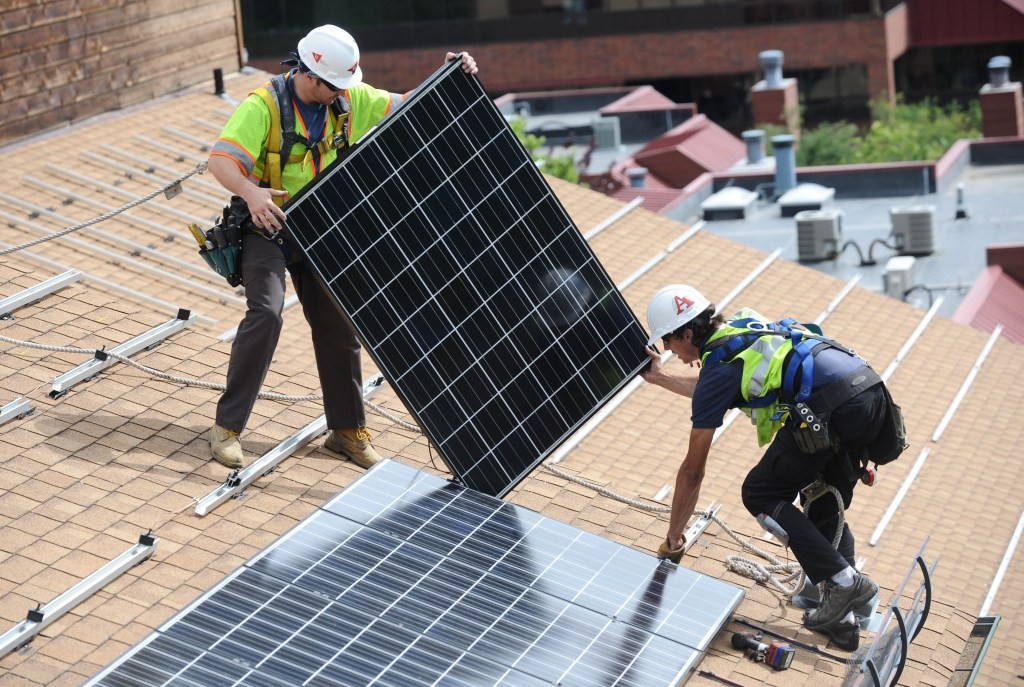
Sunnova Faces Financial Challenges, Issues Going Concern Warning
Sunnova, a prominent solar installer, has publicly acknowledged concerns regarding its ability to continue operations, citing a critical shortage of cash reserves.
Currently, the company’s stock value has experienced a significant decline, falling approximately 68% as investors assess the potential for bankruptcy. Such warnings frequently precede insolvency proceedings for affected businesses.
Sunnova's Response to Financial Strain
In an effort to avoid financial collapse, Sunnova announced on Monday its intention to restructure existing debt, secure additional funding, and implement cost-reduction measures.
Based in Houston, Texas, Sunnova remains a major player in the U.S. solar installation market, generating $840 million in revenue during the previous year.
Recent Financial Performance
Despite a reported net loss of $447 million in 2024, this figure represents an improvement compared to the losses incurred in the prior year. The company’s valuation has dramatically decreased from a peak of $4.5 billion to approximately $63 million.
Industry-Wide Headwinds Impacting Solar Companies
This development occurs amidst growing anxieties within the solar industry regarding future challenges. Last week, Sunrun, the nation’s leading solar installer, revised its cash generation projections for 2025 downward.
The company anticipates a stagnation in installation rates throughout the current year.
Factors Contributing to Industry Turbulence
A significant portion of the current instability can be attributed to elevated interest rates and ongoing uncertainty surrounding the long-term viability of the Inflation Reduction Act.
Historically, low interest rates have been beneficial to solar installers, making solar loans and leasing options more appealing to consumers.
Spreading the cost of rooftop solar over an extended period allows consumers to avoid substantial upfront payments and often results in savings compared to traditional utility bills.
However, rising interest rates extend the timeframe required for consumers to realize financial benefits.
The Role of the Inflation Reduction Act
The Inflation Reduction Act extended crucial tax credits that were previously scheduled to expire. These credits are now valid through 2032.
Nevertheless, a potential shift in administration could jeopardize these incentives, as the Trump administration has indicated its intention to repeal the legislation.
Positive Signs and Industry Outlook
Despite the challenges, the outlook isn’t entirely negative. First Solar, a prominent solar manufacturer, exceeded expectations in its fourth-quarter earnings report, resulting in a stock price increase.
In numerous instances, solar energy continues to be the most cost-effective option for new power generation capacity.
Industry professionals often refer to the sector as the “solar coaster” due to its inherent volatility.
Related Posts

Trump Media to Merge with Fusion Power Company TAE Technologies

Radiant Nuclear Secures $300M Funding for 1MW Reactor

Whole Foods to Implement Smart Waste Bins from Mill | 2027
Last Energy Raises $100M for Steel-Encased Micro Reactor

Everbloom AI Transforms Chicken Feathers into Cashmere