SpaceX Launches 60 Starlink Satellites - Expanding Internet Access
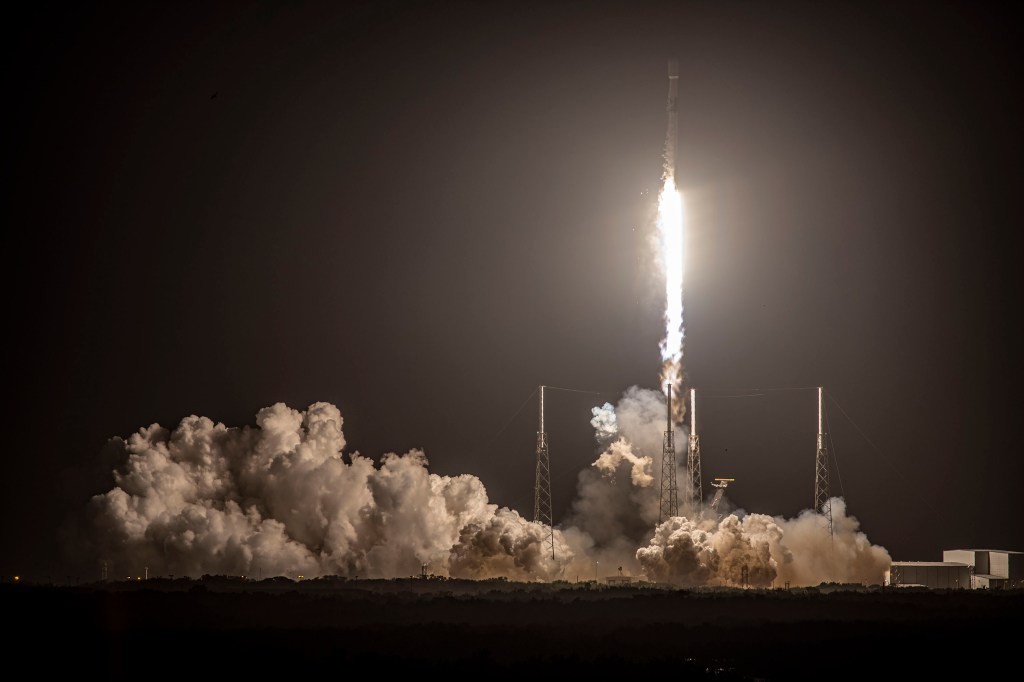
SpaceX Continues Starlink Satellite Deployment
SpaceX has recently added another 60 Starlink satellites to its growing network. This represents a typical deployment size for current missions utilizing the Falcon 9 launch vehicle.
With this latest launch, the total number of Starlink satellites actively in orbit is approximately 1,000. This figure accounts for both operational satellites and those that were part of earlier experimental phases or have been intentionally de-orbited.
Starlink Service Availability
This deployment coincides with SpaceX’s decision to open Starlink orders to the public within existing and planned coverage areas.
How Starlink Works
Starlink is a global data network relying on a constellation of small satellites in low Earth orbit. Traditional broadband satellites are often large and costly, positioned in geostationary orbit, serving a limited geographic region.
Due to their distance, these conventional satellites typically exhibit high latency and inconsistent performance – a situation familiar to those who have used in-flight Wi-Fi.
SpaceX’s approach differs significantly. By positioning satellites closer to Earth, latency is reduced. Furthermore, the satellites continuously orbit and transfer connections, aiming for more reliable coverage, especially as the constellation expands.
Global Coverage and Future Plans
SpaceX’s ultimate goal is to provide worldwide Starlink coverage. A primary focus is delivering service to areas with historically poor connectivity due to infrastructure limitations.
Currently, coverage is limited, but SpaceX has transitioned from a closed beta program to an open one. Interested customers can now register and place an order through the Starlink website, following an address verification process.
An initial deposit is required, with the full cost of the hardware kit charged upon shipment.
Starlink Hardware and Costs
The Starlink service requires a customer-installed satellite receiver dish. The monthly service fee is $99, while the hardware kit costs a one-time fee of $499.
While these costs may appear substantial, Elon Musk, CEO of SpaceX, has indicated on Twitter that prices are expected to decrease as the initial investment is recovered.
He also mentioned the intention to eventually spin off Starlink as a separate entity and pursue an Initial Public Offering (IPO) once predictable cash flow can be established.
Related Posts

Jared Isaacman Named Next NASA Administrator

Space-Based Solar Power: Beaming Energy to Earth

OSHA Investigates SpaceX Starbase Crane Accident
SpaceX IPO: Reportedly Planning 2026 Launch with $1.5T Valuation
SpaceX Valuation: Reportedly in Talks for $800B Sale