SpaceX Ships 100,000 Starlink Terminals - Starship Launch Updates

Starlink Reaches Milestone: 100,000 Terminals Shipped
Elon Musk’s Starlink initiative, designed to deliver worldwide broadband access through a network of satellites, has successfully distributed 100,000 user terminals.
Rapid Deployment and Growth
This represents a remarkably swift advancement for the substantial investment required by the service. Satellite deployment commenced in November 2019.
A beta program, priced at $99 per month, was initiated for a limited number of users approximately one year later. To date, SpaceX has launched over 1,700 satellites. Furthermore, they have secured over half a million pre-orders in addition to the 100,000 terminals already shipped.
Vertical Integration as a Key Strategy
The accelerated pace of Starlink’s development isn’t unexpected, given SpaceX’s self-reliance in launching its own satellites using the Falcon 9 rocket. This vertical integration is a core component of the space company’s strategy, contributing to its current status as the world’s most highly valued enterprise.
Serving Underserved Areas
A significant portion of Starlink’s beta testers reside in geographically isolated or rural locations. These areas often lack access to traditional broadband infrastructure.
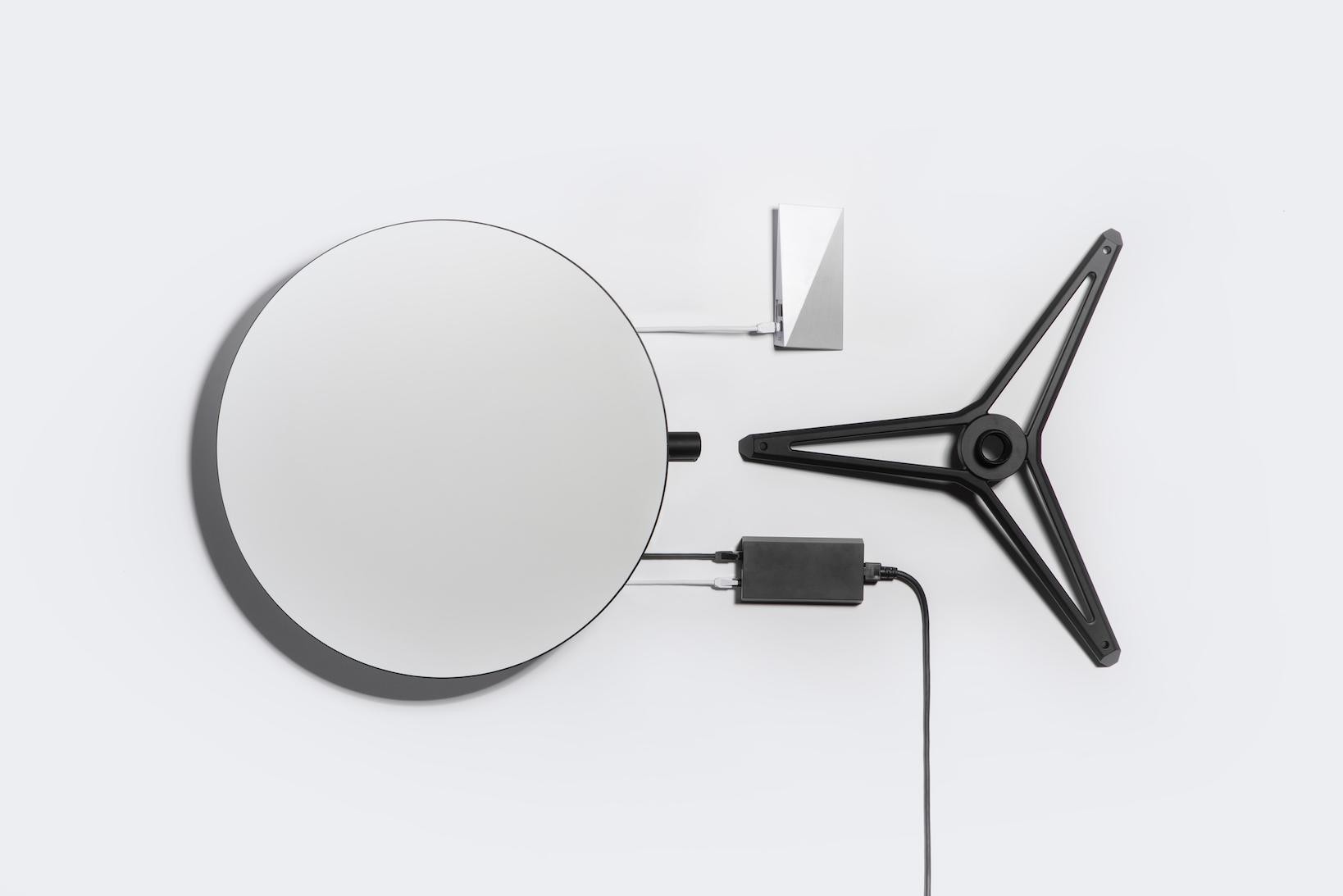
Initial service access requires a $499 upfront payment. This covers a complete starter kit, including the user terminal – affectionately known as “Dishy McFlatface” by SpaceX – a Wi-Fi router, power supply, necessary cables, and a mounting tripod.
 Future Expansion Plans
While this rapid growth demonstrates an ambitious approach, SpaceX views it as merely the initial phase of the project. The company’s ultimate goal is to deploy approximately 30,000 Starlink satellites into orbit.
They also aim to expand their customer base to encompass millions of users globally. A recent application submitted to the Federal Communication Commission on August 18th details plans for a next-generation Starlink system.
Leveraging Starship for Increased Capacity
The application proposes two distinct configurations for the satellite constellation. One configuration would utilize the next-generation Starship heavy-lift rocket.
The proposed constellation could ultimately consist of up to 29,988 satellites. An alternative configuration utilizing the Falcon 9 rocket was also presented. However, Starship’s substantial payload capacity offers a clear advantage.
“SpaceX has identified methods to capitalize on the advanced capabilities of its new launch vehicle, Starship. This allows for the delivery of greater mass to orbit with increased speed and efficiency,” the company stated in its amended application. “Combined with the reusability of the upper stage, launch frequency can also be increased.”
Related Posts

Jared Isaacman Named Next NASA Administrator

Space-Based Solar Power: Beaming Energy to Earth

OSHA Investigates SpaceX Starbase Crane Accident
SpaceX IPO: Reportedly Planning 2026 Launch with $1.5T Valuation
SpaceX Valuation: Reportedly in Talks for $800B Sale