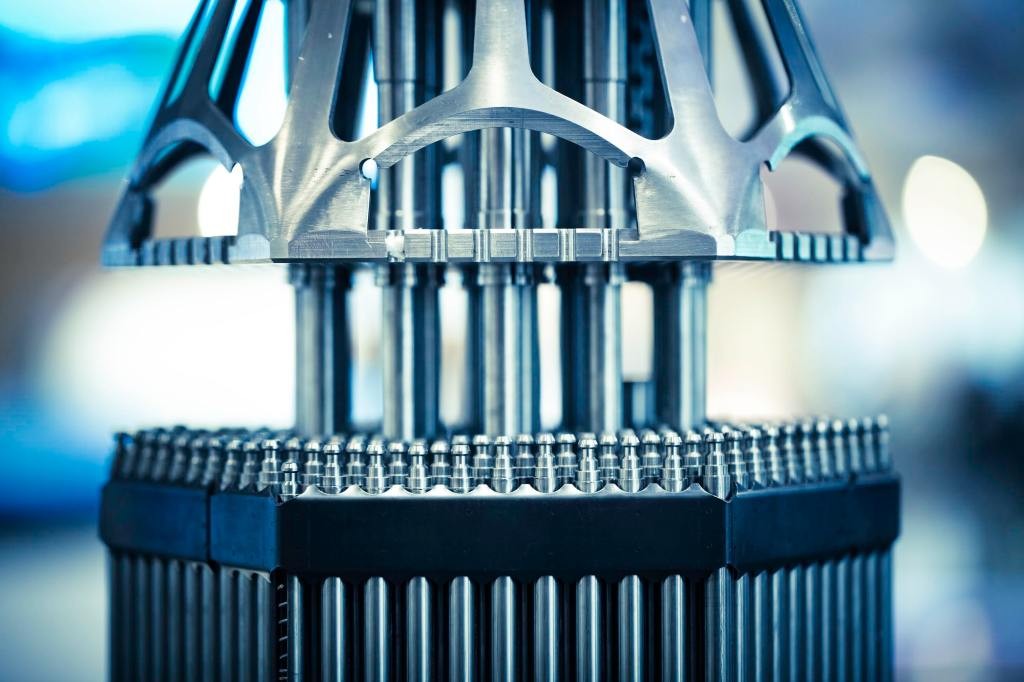
SpaceX Launches Astronauts on Reused Dragon Spacecraft - Historic First!
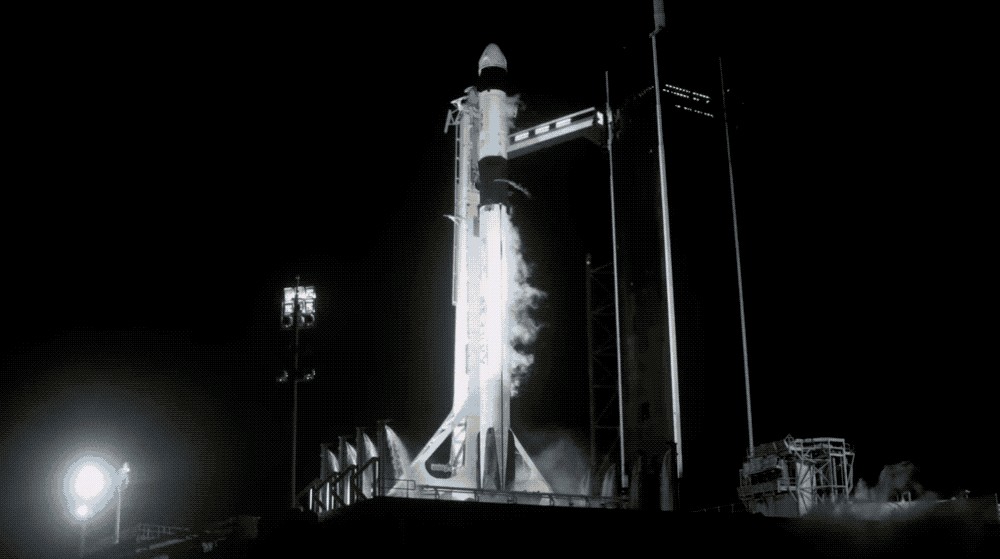
SpaceX Achieves Another Successful Crewed Launch
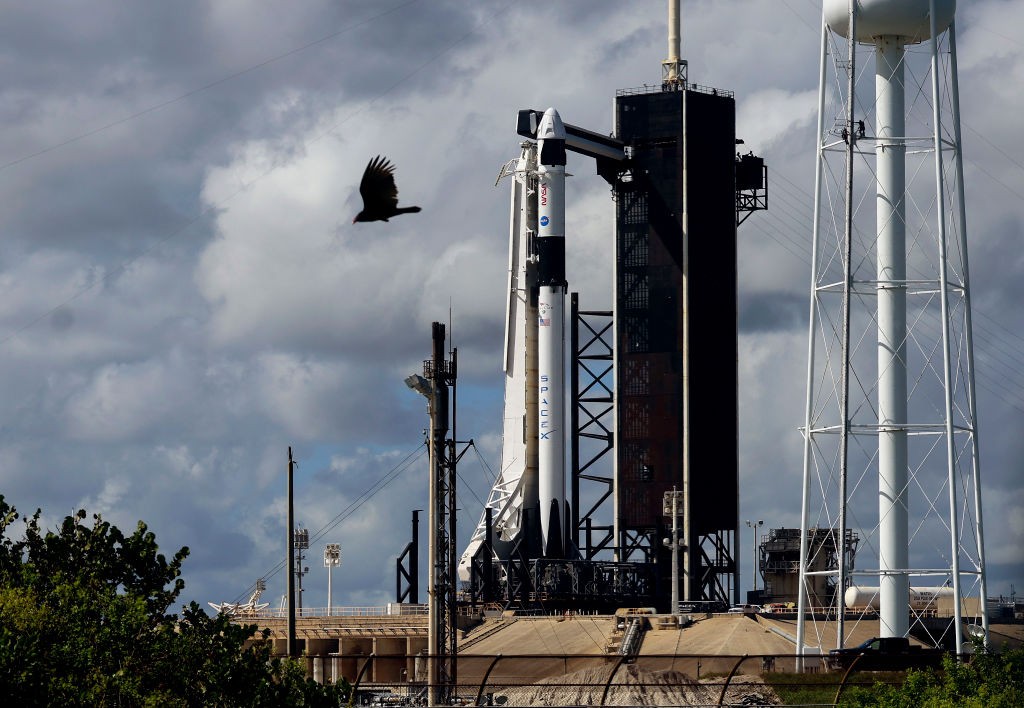
SpaceX successfully launched its Crew Dragon spacecraft on Friday morning, marking another achievement in human spaceflight. The launch and subsequent orbital insertion of the Dragon proceeded nominally from Cape Canaveral, Florida, at 5:49 AM EDT (2:49 AM PDT).
Astronaut Crew
Four astronauts were aboard the spacecraft for this mission. The crew included NASA astronauts Megan McArthur and Shane Kimbrough, alongside Akihiko Hoshide from JAXA and Thomas Pesquet representing the ESA.
Second Official Crew Delivery
This mission, designated Crew-2, represents SpaceX’s second official astronaut transport mission undertaken for NASA. It follows the successful completion of the Crew-1 operation conducted last year.
Re-flown Components Enhance Safety
A notable aspect of Crew-2 was the utilization of previously flown hardware. Both the Falcon 9 first-stage booster and the Dragon capsule had seen prior service. The booster was initially employed during the Crew-1 launch, while the Dragon capsule facilitated SpaceX’s inaugural crewed spaceflight—a demonstration mission validating the spacecraft for NASA.
SpaceX asserts that employing re-flown components can actually improve safety. CEO Elon Musk suggested that one wouldn’t prefer to be on the initial flight of a new aircraft, during a discussion with Peter Diamandis of Xprize.
Rendezvous and Docking
Following its trajectory into the transfer orbit, the Crew Dragon is currently en route to rendezvous with the International Space Station (ISS). This process is anticipated to take less than 24 hours.
Docking with the station is scheduled for early tomorrow morning, utilizing a port that became available earlier this month after another SpaceX Crew Dragon relocated to a different ISS docking location.
Booster Recovery
The launch also incorporated an attempt to recover the Falcon 9 booster. This was successfully achieved through a landing at sea on SpaceX’s drone landing platform.
Following refurbishment, this booster, having already carried two separate astronaut crews, is slated for potential use on future missions.
Commercial Crew Program Success
SpaceX’s Commercial Crew program continues to be a significant success for NASA. It exemplifies the agency’s strategy of collaborating with private companies for research and space exploration endeavors.
Future Missions
NASA has also selected SpaceX to develop the Human Landing System for the Artemis program. This program aims to return humans to the Moon, a feat not accomplished since the Apollo program, and will leverage SpaceX’s Starship spacecraft.
Looking ahead, SpaceX’s human spaceflight program will be marked by its first all-civilian mission, currently planned for launch this fall.
Related Posts
Jared Isaacman Named Next NASA Administrator

Space-Based Solar Power: Beaming Energy to Earth

OSHA Investigates SpaceX Starbase Crane Accident
SpaceX IPO: Reportedly Planning 2026 Launch with $1.5T Valuation
SpaceX Valuation: Reportedly in Talks for $800B Sale