Tech CEO Testimony: Social Media & the Capitol Attack
Congressional Hearing on Social Media and the Capitol Attack
This week, leaders of major social media companies are scheduled to directly address Congress regarding their platforms’ involvement in the January attacks on the U.S. Capitol. Mark Zuckerberg of Facebook, Jack Dorsey of Twitter, and Sundar Pichai of Google will all participate in a virtual hearing before a joint House committee on Thursday at noon Eastern Time.
Focus of the Hearing
The hearing, conducted by the House Subcommittee on Communications and Technology and the Subcommittee on Consumer Protection and Commerce, will center on the role social media played in the dissemination of disinformation, extremism, and misinformation. Previously, the Energy and Commerce Committee held a similar hearing to assess the role of traditional media in fostering these issues.
Concerns Regarding Facebook's Advertising Practices
Earlier this month, Chairman Frank Pallone Jr. and over 20 other Democratic representatives sent a letter to Mark Zuckerberg requesting explanations for the appearance of advertisements for tactical gear alongside posts promoting the Capitol riot. The authors of the letter emphasized that such ad targeting is potentially dangerous and could incite violence. Facebook subsequently announced a pause on ads featuring weapon accessories and related items.
The Problem of Organic Content and "Stop the Steal"
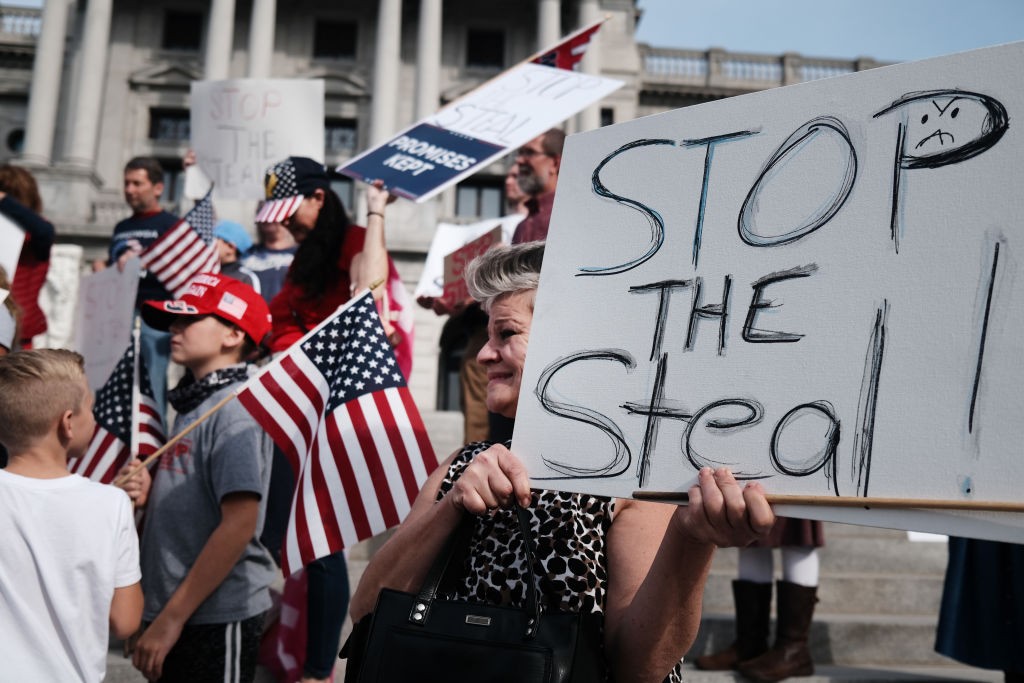
While Facebook’s advertising practices are under scrutiny, organically shared content on the platform has historically posed a greater challenge. Following last year’s election, the pro-Trump “Stop the Steal” movement experienced significant growth on social media, particularly within Facebook groups. Although the company implemented some measures, this movement—fueled by political misinformation—ultimately contributed to the disruption of vote counting and the violence that occurred on January 6th.
Extremist Organization on Facebook
The hearing is anticipated to delve into the organization of extremist groups through Facebook groups. Subcommittee chairs previously questioned Facebook regarding reports indicating the company’s awareness that its algorithmic group recommendations were directing users toward extremist content. Despite warnings from experts, Facebook permitted armed anti-government militias to organize openly on its platform until late 2020, and even after bans, some groups continued to operate.
Reports suggest the Justice Department is considering sedition charges against members of the Oath Keepers, a prominent armed U.S. militia group involved in the Capitol attack.
The Role of Other Platforms
Although Facebook is a significant distributor of extremist content, it is not the sole platform responsible. Misinformation challenging the integrity of the U.S. election results is readily accessible on both YouTube and Twitter. However, these networks are not structured to facilitate connection and mobilization in the same manner as Facebook groups.
Facebook's Policy Changes
Facebook began to adjust its policies regarding extremism gradually throughout 2020, and more rapidly in January when it removed former President Trump from the platform. The company’s external policy oversight board is currently reviewing this decision, with a potential reversal possible in the coming weeks.
Twitter's Approach to Policy
Over the past year, Twitter has striven to clarify its policy decisions, openly communicating changes and proposed ideas. Under Jack Dorsey’s leadership, the company has treated its platform rules as a dynamic document, continually refining them to positively influence user behavior.
YouTube's Delayed Response
In contrast to Twitter’s transparent approach, YouTube adopted a more reserved strategy. The company was less proactive in strengthening its defenses before the 2020 elections and often responded slowly to unfolding events. YouTube waited a full month after Joe Biden’s victory to establish rules prohibiting the spread of disinformation claiming the election was stolen.
Questioning Google's Representation
The decision to include Sundar Pichai in the hearing is somewhat unusual, given that YouTube’s CEO, Susan Wojcicki, would likely be a more relevant witness. While Pichai is ultimately responsible for YouTube’s actions, he has demonstrated a talent for deflecting broad criticism with technical explanations in previous hearings.
The Value of Wojcicki's Testimony
Susan Wojcicki would possess greater insight into YouTube’s policies concerning misinformation and extremism, as well as the reasons for the platform’s slow response to issues of hate and misinformation, and its inconsistent enforcement of its own rules.