US Agencies Bought Chinese Surveillance Tech Despite Ban
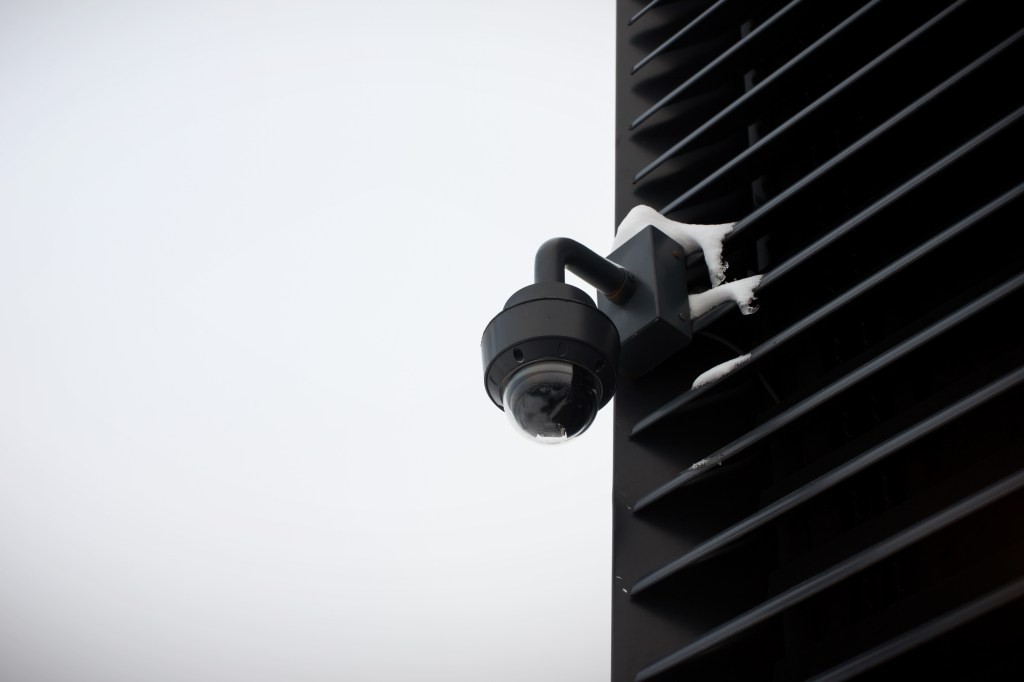
Federal Agencies’ Purchases of Banned Surveillance Equipment
At least three agencies within the U.S. federal government, including branches of the military, have acquired video surveillance equipment originating from China, despite an existing prohibition on its use within federal institutions.
Details of the Purchases
Records of procurement, reviewed by TechCrunch and the surveillance news platform IPVM, reveal that these agencies collectively expended several thousand dollars on video surveillance systems manufactured by Lorex. Lorex operates as a fully-owned subsidiary of Dahua Technology, a Chinese firm subject to a sales ban to the federal government.
This ban, enacted through a 2019 defense spending law, stems from concerns that the technology could potentially facilitate espionage activities by the Chinese government.
Dahua’s Controversial Background
Dahua Technology was also included on the U.S. government’s list of economic trade restrictions in 2019. This action followed allegations linking the company to China’s suppression of ethnic minorities within Xinjiang, a region predominantly inhabited by Uighur Muslims.
The U.S. government asserts that Beijing utilizes technology, partially supplied by Dahua, for surveillance of the Uighur population. The Biden administration has characterized the human rights violations in Xinjiang as a “genocide,” and has implicated technology manufacturers in these abuses, citing their role in China’s surveillance, repression, and mass detention of Uighurs.
Purchases Occurred After the Ban
Following the implementation of the ban, purchasing records demonstrate that the agencies continued to procure Lorex equipment through federal contractors.
DEA Purchases and GSA Response
The Drug Enforcement Agency (DEA) purchased nine Lorex hard drives for surveillance systems in May 2021, utilizing a Washington, D.C.-based technology supplier, I. S. Enterprises. DEA spokesperson Katherine Pfaff indicated the purchases were made via the GSA Advantage portal and deferred further comment to the General Services Administration (GSA).
GSA spokesperson Christina Wilkes stated in an email that the agency employs multiple methods to vet vendors and products on GSA Advantage, adhering to the Federal Acquisition Regulation (FAR). She further noted that contractors are obligated to disclose whether they sell covered technology, and non-compliant products are removed from the platform.
GSA refrained from explaining why the banned products remained available for purchase after the ban’s enactment, but confirmed ongoing efforts to improve vetting processes, including the launch of a new verified products portal.
The 2019 Ban – Section 889
The 2019 ban, formally known as Section 889 of the National Defense Authorization Act (NDAA), prohibits federal agencies from procuring electronics from specific China-based companies, including Huawei, Hikvision, and Dahua, as well as their subsidiaries like Lorex.
Section 889 also restricts federal contractors from selling these banned electronics to federal agencies. The Department of Defense received a waiver allowing exceptions for low-risk items, but not for electronics or surveillance equipment.
Additional Agency Purchases
Records also reveal that the Defense Finance and Accounting Service (DFAS), a DOD agency responsible for financial management, acquired Lorex video surveillance cameras through a New York-based retailer, Focus Camera, in July 2021.
DFAS spokesperson Steve Lawson explained that the site identified a need for a security camera and performed due diligence using a GSA contract. They requested certification from the supplier confirming the product’s compliance with the NDAA. The camera and controller have been removed from service pending further analysis.
The Department of the Army also purchased Lorex video surveillance cameras and recording equipment between 2019 and 2021 from I. S. Enterprises, Focus Camera, and JLogistics, a company based in Glendale, California.
Army and Contractor Responsibility
Army spokesperson Lt. Col. Brandon Kelley stated that the responsibility lies with the contractors supplying the equipment. Companies proposing federal contracts must assert compliance with Federal Acquisition Regulation and Defense supplement provisions, including those mandated by P.L. 115-232 in the System for Award Management website.
Misrepresentation by a company could result in legal repercussions under Title 18 of the United States Code or the False Claims Act.
Congressional Response
Monica Matoush, Democratic spokesperson for the House Armed Services Committee, stated the committee anticipates the Department of Defense will investigate these reports and take appropriate action to mitigate harm and prevent future occurrences.
Agency Responses and Delays
Purchasing records indicate that other federal and military agencies also acquired Lorex equipment after the ban. TechCrunch contacted these agencies, but responses were limited. Some spokespeople were unable to immediately confirm or comment on the purchasing records, while one agency estimated a response would take “weeks.”
Senator Warner’s Concerns
Sen. Mark Warner (D-VA), chair of the Senate Intelligence Committee, emphasized the need for improved understanding of the origin of commercial equipment purchased by government entities. He stressed the importance of ensuring purchasing decisions are made with awareness of potential risks.
Warner stated that the provisions included in the 2019 legislation were intended to prevent the use of federal purchasing power to support companies posing security risks or involved in human rights abuses, particularly concerning the repression of Uighurs and other minorities. He called for action to prevent similar incidents from happening again if the allegations are true.
Contractor Responses
I. S. Enterprises co-founder Eddie Migues stated the company is investigating the matter. Focus Camera and JLogistics did not respond to requests for comment.
Industry Arguments and Lorex’s Statement
Contractors supplying banned equipment risk losing their contracts. However, industry groups have argued that federal contractors were given insufficient time to comply with the ban.
The Information Technology Industry Council stated last year that the extended rollout of rules for these requirements may hinder contractors’ ability to consistently meet the law’s objectives.
A Lorex spokesperson stated that their products are designed for consumer and business use, not for U.S. federal government agencies or federally-funded projects subject to the NDAA. They do not directly market to entities subject to the NDAA and encourage purchasers to adhere to the regulations.
Related Posts

NHS England Data Breach Confirmed by Tech Provider

Cisco Zero-Day Exploit: Chinese Hackers Targeting Customers

Pornhub Hacked: User Data Extorted by Hacking Group
Google and Apple Release Emergency Security Updates
700credit Data Breach: 5.6 Million Affected