Volkswagen to Invest in 240 GWh of European Battery Production
Volkswagen's Ambitious EV Battery Strategy
Volkswagen AG is strategically positioning itself to become the leading global manufacturer of electric vehicles (EVs). The company announced plans on Monday to establish six battery cell production facilities within Europe, aiming for a combined capacity of 40 gigawatt hours (GWh) by the year 2030.
Securing Battery Supply
A key component of this strategy involves a substantial $14 billion, ten-year supply agreement with Swedish battery producer Northvolt. This order represents the provision for just one of the six planned production plants.
Production at a second facility, located in Germany, is scheduled to begin in 2025.
Expanding Charging Infrastructure
Alongside battery production, Volkswagen is making significant investments in charging infrastructure across key markets. These include China, Europe, and the United States.
- In Europe, the company intends to expand its fast-charging network to 18,000 stations, in partnership with IONITY.
- Through its joint venture, CAMS New Energy Technology, Volkswagen aims to establish 17,000 charging points in China.
- The number of fast-charging stations in the United States is projected to increase by 3,500.
"Power Day" and Next-Generation Battery Technology
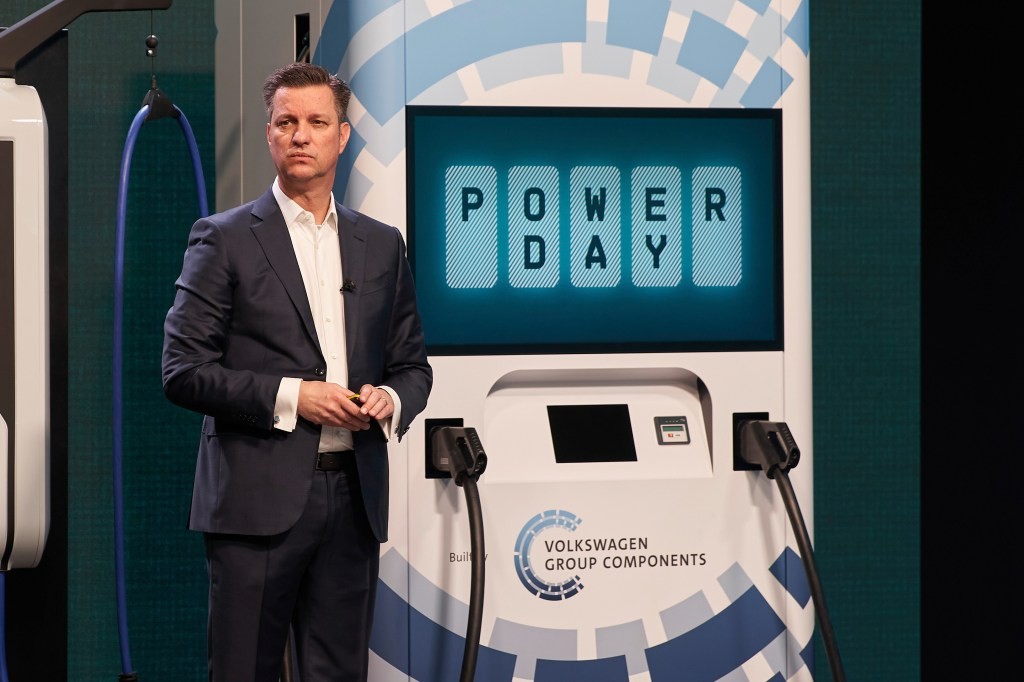
Volkswagen’s first dedicated battery event, dubbed “Power Day,” mirrored Tesla’s Battery Day. During this event, executives revealed innovative battery chemistries expected to reduce production costs by as much as 50%.
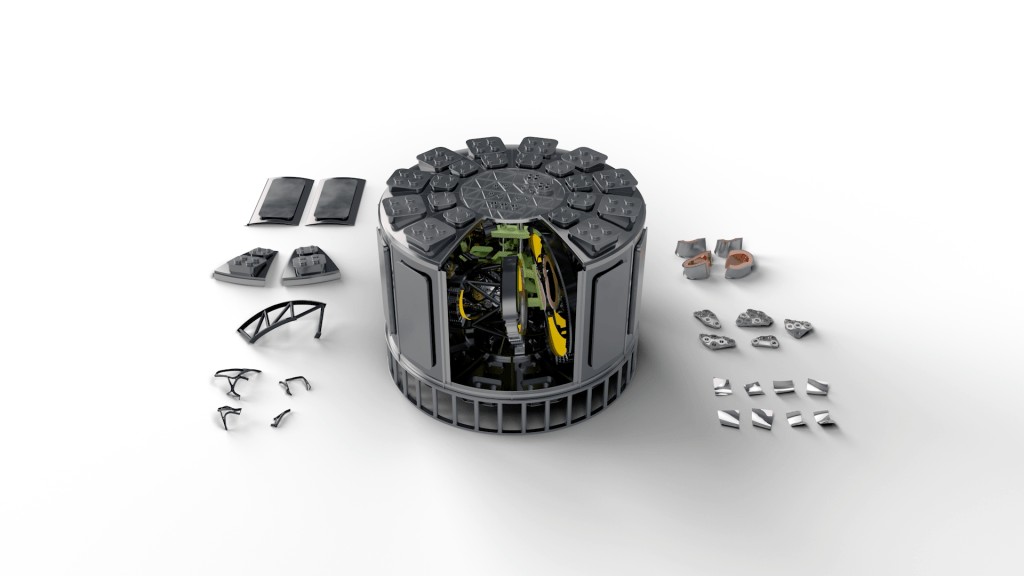
The company’s new Unified Premium Battery, featuring a unified prismatic cell design, will be implemented starting in 2023 and will be utilized in 80% of its EV models.
The Audi Artemis, a luxury sedan, is slated to be the first vehicle to incorporate this unified battery technology, with a rollout planned for 2024.
Solid-State Battery Development
Volkswagen’s long-term objective is the development and implementation of solid-state battery cells, anticipated to be available by the mid-2020s. The company has invested heavily in QuantumScape, a manufacturer specializing in solid-state batteries.
Frank Blome, Volkswagen’s head of battery cell and system, described solid-state technology as “the end-game” for lithium-ion cells. These batteries promise a 30% increase in vehicle range and considerably faster charging times due to their reduced weight.
Electrification of Heavy-Duty Vehicles
Scania AB, Volkswagen’s brand focused on heavy-duty trucks and buses, is also committed to increasing its EV market share. Unlike other major manufacturers exploring hydrogen fuel cells, Scania representatives affirmed the feasibility of fully electrifying the heavy-duty transportation sector.
Battery Recycling Initiatives
Addressing the end-of-life phase of batteries, Volkswagen stated its capability to recycle up to 95% of battery materials through a process known as hydrometallurgy.
This report has been updated to include further details.
Related Posts

Trump Media to Merge with Fusion Power Company TAE Technologies

Radiant Nuclear Secures $300M Funding for 1MW Reactor
Whole Foods to Implement Smart Waste Bins from Mill | 2027
Last Energy Raises $100M for Steel-Encased Micro Reactor

Everbloom AI Transforms Chicken Feathers into Cashmere