YouTube Bans QAnon and Conspiracy Theory Videos
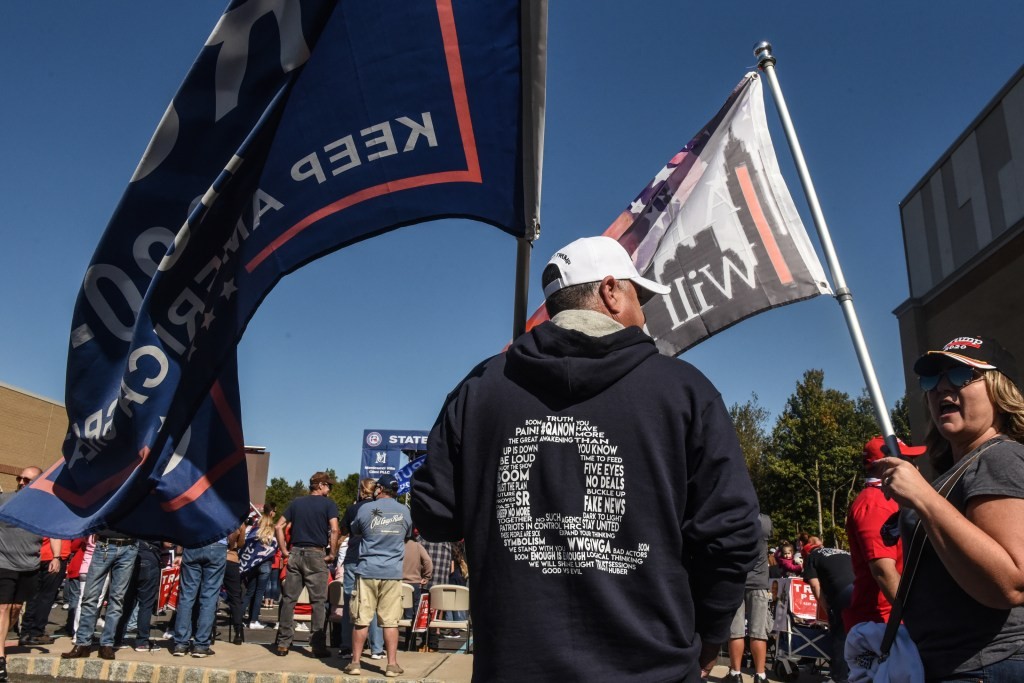
YouTube has now aligned with other social networks, such as Facebook and Twitter, in implementing more definitive measures to prevent the dissemination of conspiracy theories, including those related to QAnon.
The organization declared it is broadening its policies regarding hate and harassment to prohibit videos “that [focus on] an individual or group through conspiracy theories that have been utilized to rationalize acts of violence in the real world,” as stated in an official announcement.
YouTube specifically highlighted videos that subject individuals to harassment or threats by falsely accusing them of involvement in the unsubstantiated conspiracy theories advanced by QAnon followers.
Unlike the other two prominent social media platforms, YouTube is not enacting a complete prohibition on videos or articles that generally promote these extraordinary conspiracies, but is instead concentrating on content that directly targets specific people.
“Context remains important, therefore coverage of these issues in the news or discussions about them that do not target individuals or protected groups will be permitted to remain online,” the company explained in its statement. “We will begin enforcing this revised policy immediately, with a phased rollout over the coming weeks.”
This represents the latest effort by social media platforms to counter the proliferation of misinformation and conspiracy theories that are increasingly connected to real-world violence and terrorism.
In 2019, the FBI designated fringe conspiracy theories like QAnon as a domestic terrorist threat for the first time, along with the false claim that well-known figures and Democratic politicians are involved in a secret, Satanic network that abuses children and seeks to destabilize Donald Trump’s presidency.
Twitter suspended 7,000 accounts linked to the conspiracy theory in July, and Facebook announced a ban on the distribution of QAnon-related content and propaganda across its platforms last week.
These actions by social media companies might be insufficient and delayed, given the extensive reach of these conspiracy theories… and the harm they have already caused, as demonstrated by the incident involving an armed attack on a pizza restaurant in Washington, DC, which resulted in the perpetrator’s imprisonment.
YouTube’s recent actions build upon earlier attempts to curb the spread of conspiracy theories by modifying its recommendation algorithm to reduce the promotion of related materials.
However, as TechCrunch previously observed, it was during 2018 and the subsequent year that QAnon conspiracies truly gained traction.
As TechCrunch previously observed, it has now evolved into a surprisingly widespread political ideology with its own candidates running for Congress.
This challenges YouTube’s reported 70% decrease in views originating from its search and discovery features. The company stated that, when analyzing QAnon content, it observed an over 80% reduction in views from non-subscription recommendations since January 2019.
YouTube indicated that it may implement further measures in the future to combat conspiracy theories that incite real-world violence.
“Given the constantly changing nature and evolving strategies of groups promoting these conspiracy theories, we will continue to refine our policies to stay current and uphold our commitment to taking the necessary steps to fulfill this responsibility,” the company stated.
Related Posts

Peripheral Labs: Self-Driving Car Sensors Enhance Sports Fan Experience
YouTube Disputes Billboard Music Charts Data Usage
Oscars to Stream Exclusively on YouTube Starting in 2029
Warner Bros. Discovery Rejects Paramount Bid, Calls Offer 'Illusory'

WikiFlix: Netflix as it Might Have Been in 1923